

Not yet published: imported
Why THIS Irish knitting method is the FASTEST
There are lots of different ways to knit.
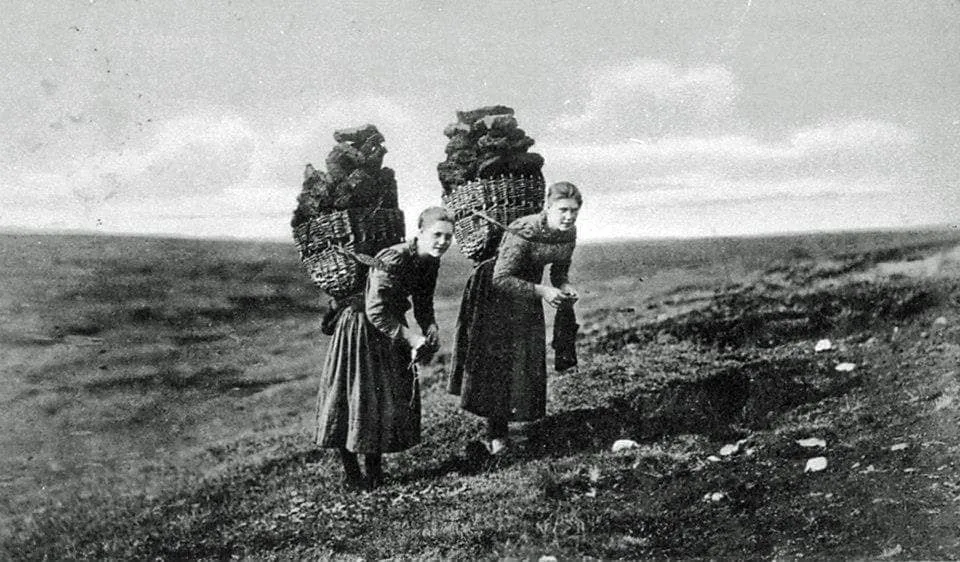
There are lots of different ways to knit.
Continental, English, Combined, Portuguese, Norwegian, Russian, Flicking.
Some are slight variations of others.
Some hold the yarn in the dominant hand. Some in the opposite hand. Some around the back of the neck.
In our search for ways to improve our knitting speed each has it’s own advantage.
But there is one way that seems to trump all the rest.
It goes by a few names; Irish Cottage, Sheath, Shetland, Pit, Lever, Pivot, etc.
Regardless, one thing is clear…
It’s crazy fast.
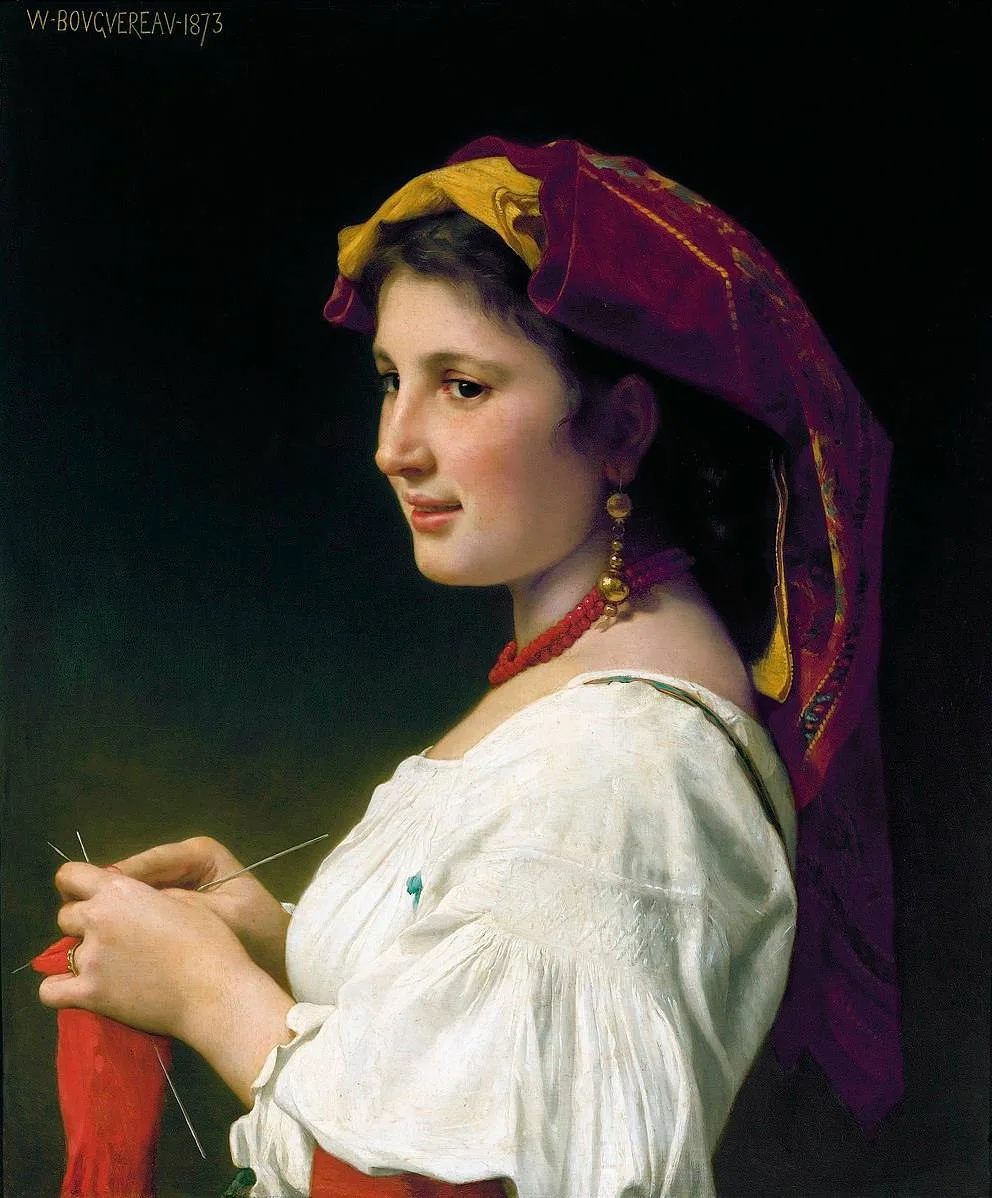
A brief history of Irish Cottage Knitting
Knitting techniques have evolved over many thousands of years, but production knitting for the masses goes back as far as the 14th century, when knitted caps were required on Sundays throughout England.
Before the advent of the knitting machine, hand knitters had to learn the quickest way to knit while staying injury free.
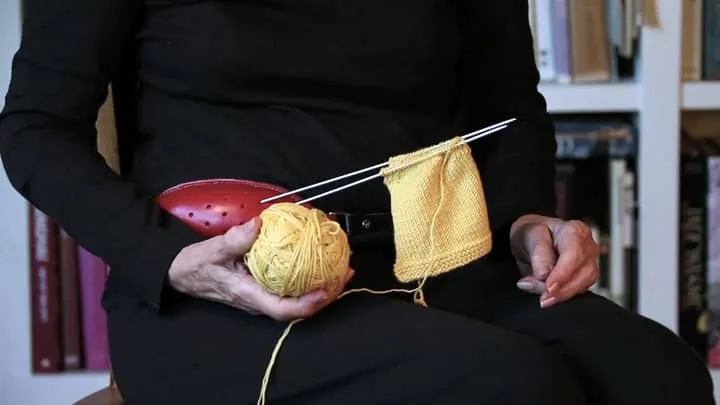
Their method comprised of holding one needle stationary, usually with a knitting belt or under the armpit. The yarn was whipped in front of the rigid needle, while the other needle acted like a loom shuttle or sewing machine. This resulted in the ability to make a lot of stitches very fast while exerting minimal movement.
Although production hand knitting mostly died out starting in the 1600s, knitting schools were still having students make items to sell for tuition well into the 19th century. They passed on those traditions and tricks of the trade to modern knitters in the form of Lever knitting.
Modern Lever Knitting
Most people became familiar with this knitting style in the early 2000’s through the Yarn Harlot herself, Stephanie Pearl-McPhee.
She not only popularized the term “Irish-Cottage Knitting,” which she learned from a relative, but began teaching workshops on how to do it.
While she prefers holding a needle under her arm, she also demonstrated it was possible to knit like this using circular needles.
Many modern lever knitters hold the needle in the cradle of their thumb and index finger, much like a pencil. This allows some of the same advantages of holding the needle rigid under the arm, while having a bit more flexibility.
Lever Knitting vs. English Style
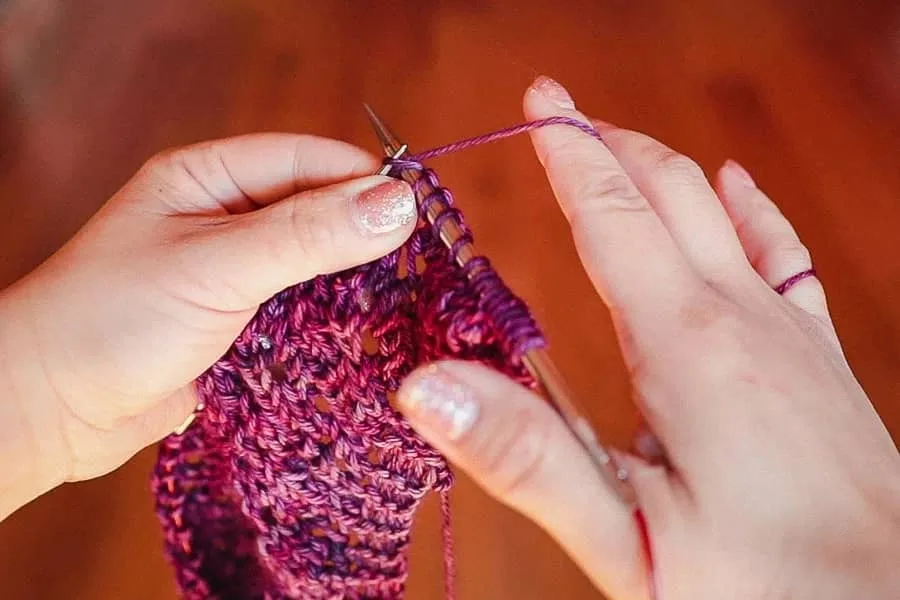
Technically lever knitting is a form of English Style knitting. This is where the dominant hand is used to tension the yarn AND work stitches.
It’s often characterized by the palms of the hands facing away from the knitter, as it was developed by English elites who preferred to look dainty while knitting.
English style is considered one of the slower knitting methods, due to the need to “throw” the yarn around the needle to create a stitch.
This differs from lever knitting, where you mostly pivot the wrist of your dominant hand to form stitches.
A hybrid of these two methods is common with experienced English knitters called “flicking.” This allows English style knitters to minimize the movement of their dominant hand, like in lever knitting, without changing how they hold their needles.
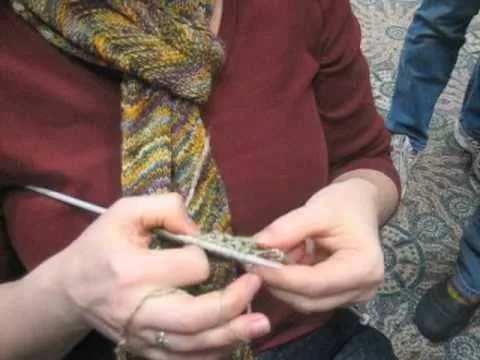
Benefits of Lever Knitting
Obviously learning to lever knit is likely to improve your average knitting speed.
It takes some practice to retain your brain for the new movements, but the end result is more stitches knit per minute.
But that’s not the only benefit. Here are a few more:
- Reduced strain on hands due to less movement
- Ability to knit for longer without pain or fatigue
- Get more knitting done since you knit faster for longer periods of time.
Conclusion
Not everyone wants to knit faster.
Going slow is part of enjoying the process of knitting.
There are still plenty of reasons to explore this style of knitting.
But what about you?
Have you tried lever knitting before?
Did it improve your knitting?