

Not yet published: imported
Yarn ·
Which yarn is better? Gradient or Variegated
We see a pretty yarn in a pretty pigment and we are pretty sure to pay a pretty penny to proudly place it in our plentiful stash.
Knitters LOVE them some color.
We see a pretty yarn in a pretty pigment and we are pretty sure to pay a pretty penny to proudly place it in our plentiful stash.
But not all colorful yarns are created equal.
In fact there’s been a secret war waging for over a decade between hand dyers over which method of coloring yarn is best…
Gradient or variegated.
Ok not really, but it’s fun to imagine them throwing paint soaked balls of yarn at each other and making a giant colorful mess.
However there is a BIG difference between these two types of yarn and today we’re going to explain why one is clearly superior.
What is variegated yarn?
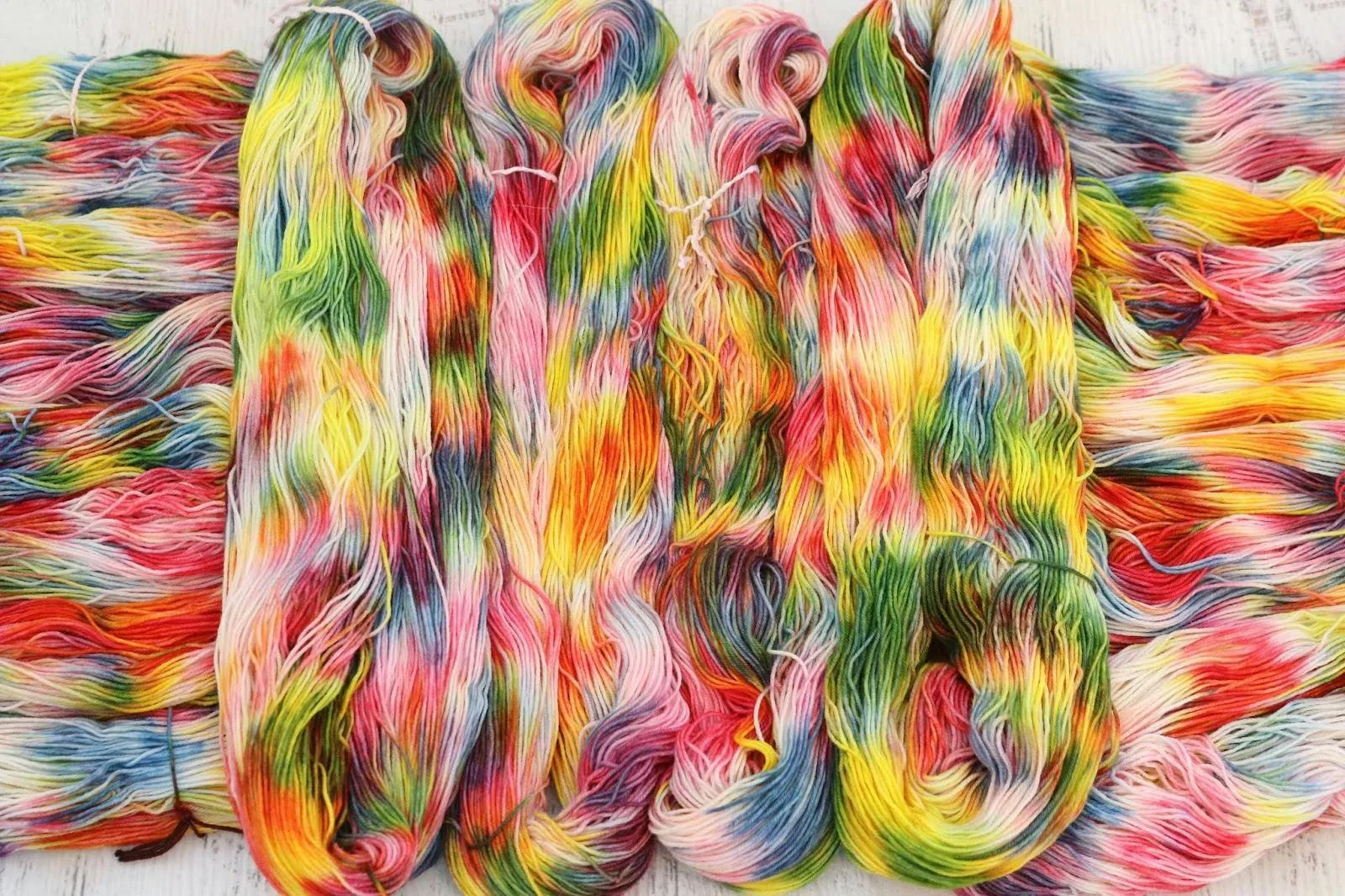
A variegated yarn is usually dyed with multiple colors in one skein with a very random pattern.
These are often hand painted yarns where dyes are lain down on a hank (or hanks) of yarn using one of a few different methods.
The result is a yarn that looks really good twisted up in a hank, but you don’t really know what you’re going to end up with when you knit it.
The problem with variegated yarn
We get it. Variegated yarns look delicious on the shelf of the yarn store.
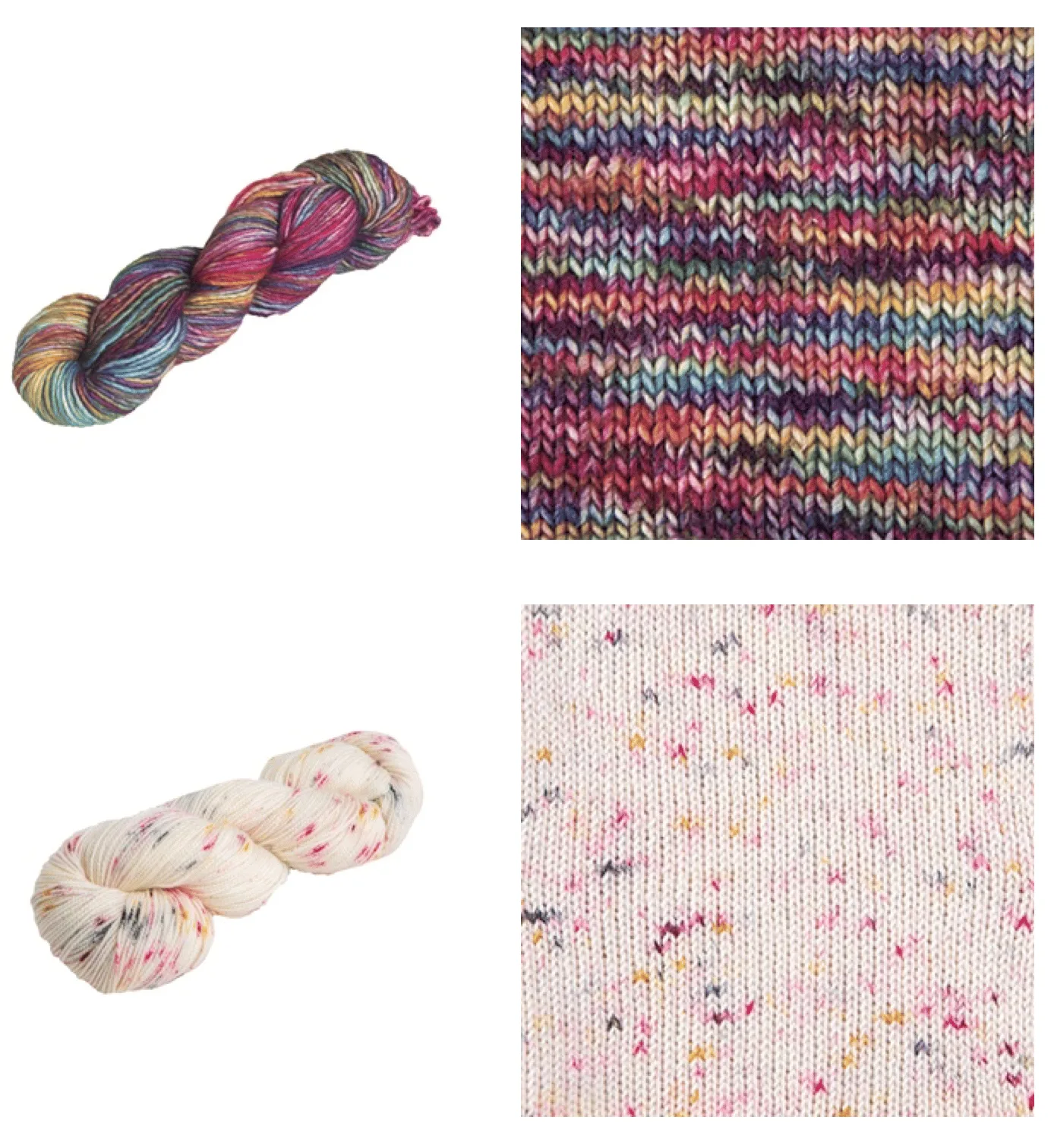
Unfortunately a lot of these yarns look like unicorn barf once they’re knit up.
That’s just one of a few drawbacks that come with knitting with variegated yarn:
- Color Pooling Because of how variegated yarns are dyed, the color is distributed throughout your fabric at random. Often that results in odd “pools” of colors developing. While this can be a design “feature” for some projects, it’s usually not the result we want.
- Hides Texture Think of variegated yarn like colorful camouflage. The constant color changes are going to make it nearly impossible to see any detailed texture in your fabric.
- Not Flattering There’s a reason you don’t see a bunch of sweaters at the mall that look like they got stuck in the middle of a paint ball fight. It’s just not going to make you look your best.
What is variegated yarn good for?
While we’re inclined to say variegated yarns aren’t good for anything, we know that’s not true.
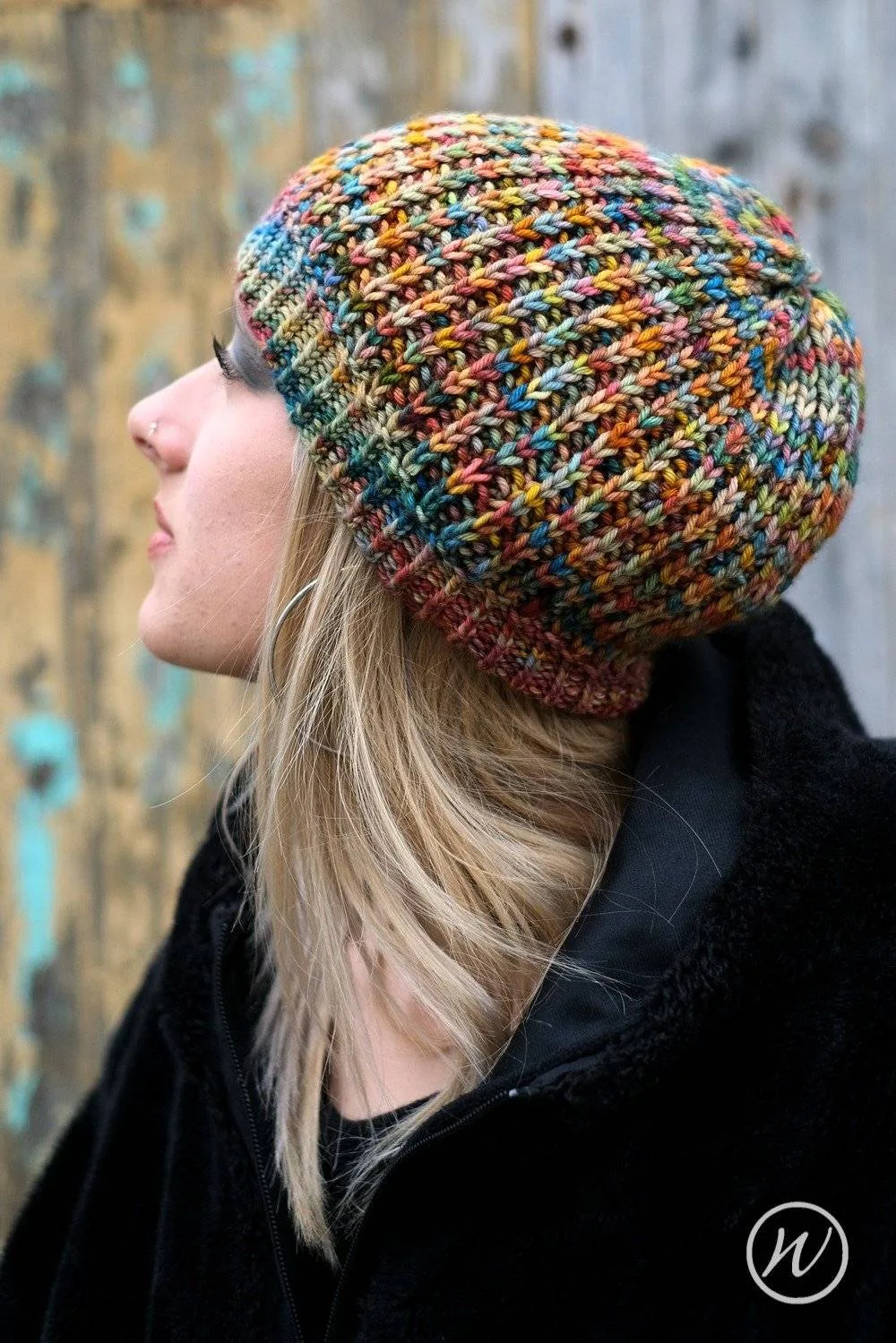
It’s perfectly possible to knit a nice simple accessory like a hat, scarf, mittens, or socks with them.
The small size of the project will help mitigate any issues with pooling. They’re also great for adding *pops* of color to your wardrobe.
Just remember to use simple patterns that let the yarn color shine.
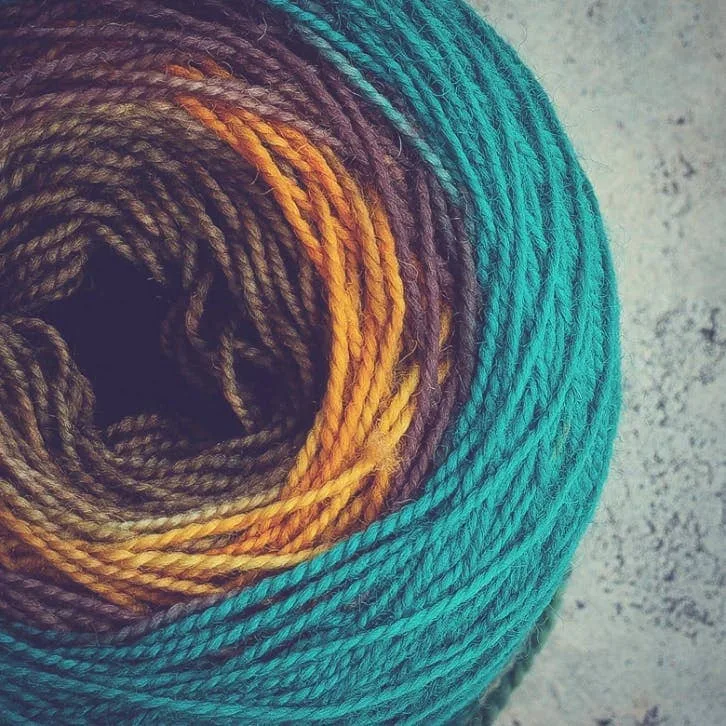
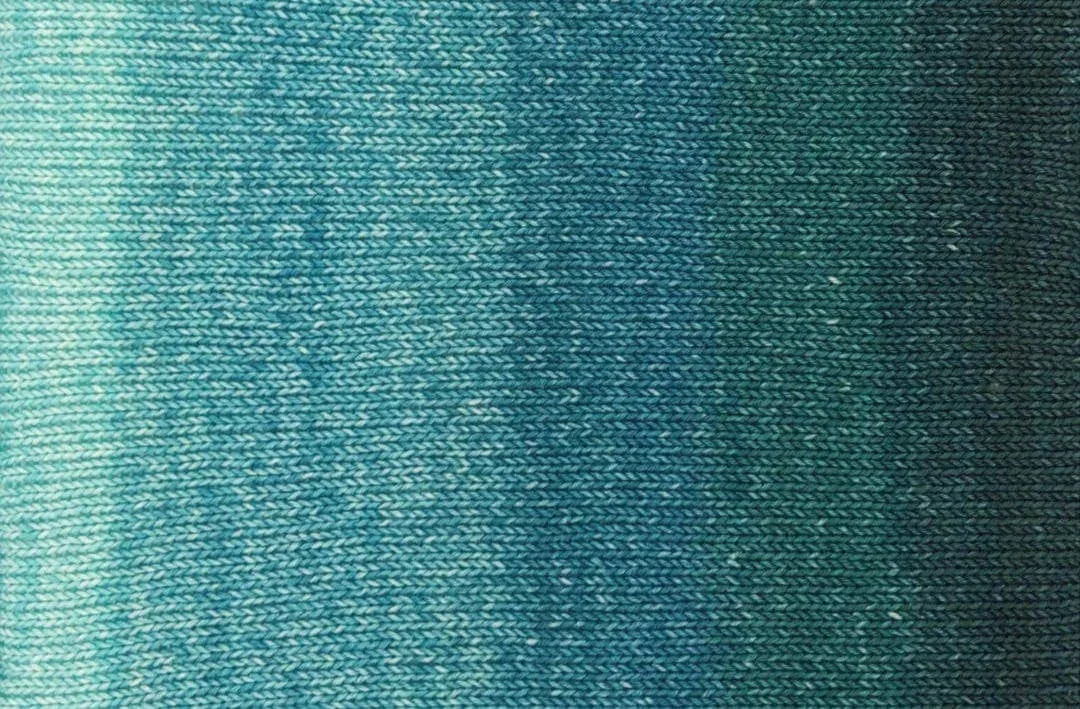
What is gradient yarn?
Back in the early 2010s ombre fabric was all the rage.
You started to see garments with the dip dyed look, which creates a slowly fading gradient of color, all over the place.
It wasn’t long before someone figured out how to do this same effect with yarn.
The process generally entails knitting up the yarn into a sheet of fabric using a knitting machine.
Then the dye is applied to the fabric with long, slow color changes.
This labor intensive process is the main reason these yarns usually sell for a premium.
But the result is definitely worth the effort.
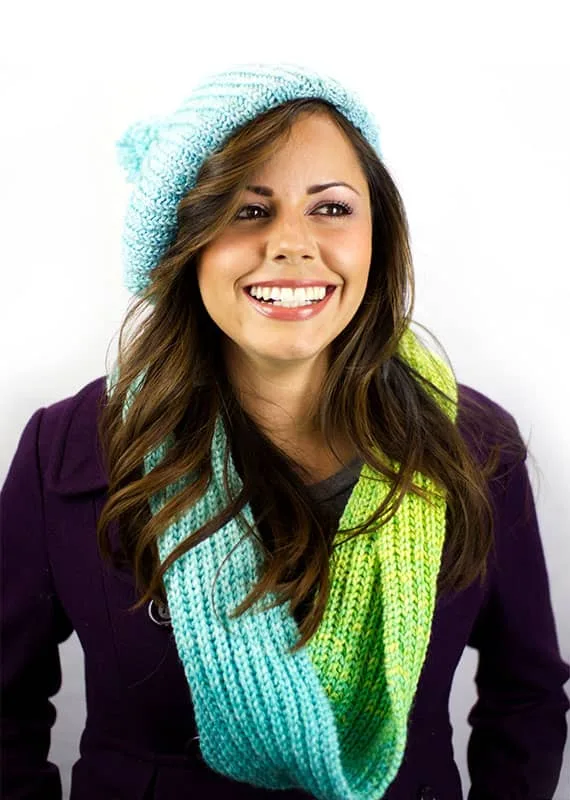
What is gradient yarn good for?
Everything? 😅
With some planning a gradient yarn can be used for most projects.
The slow color changes are ideal for stripes and even fair isle patterns, especially when paired with another neutral yarn color.
And because the yarn *usually* has subtle color shifts, it will still work with textured stitch patterns.
Drawbacks of gradient yarn
You need to be careful when knitting sweaters using a gradient yarn.
Because the circumference of the sleeves is smaller than the body, the color will change at a different rate.
You might have a similar problem with socks matching when knitting with gradient yarns.
Some companies mitigate this by offering special kits for socks and sweaters that are designed to address these issues.
Which is better?
Obviously we here at The Yarnist have a strong preference for gradient yarns.
They are far more versatile, look great in almost any project type, and are just damn gorgeous (usually).
Is it possible to knit something nice with a variegated yarn? Sure!
But given a choice, we’re always going to reach for the gradient first.
Conclusion
Gradient yarns provide slow color changes that are (in our opinion) more visually appealing than variegated yarns.
But what do you think?
Are you in camp variegated or camp gradient?
What’s your favorite brand of either type?