

Not yet published: imported
The Truth About Twisted Knitting Stitches
A while back we talked about how slipped stitches work, and the different ways they can be used.
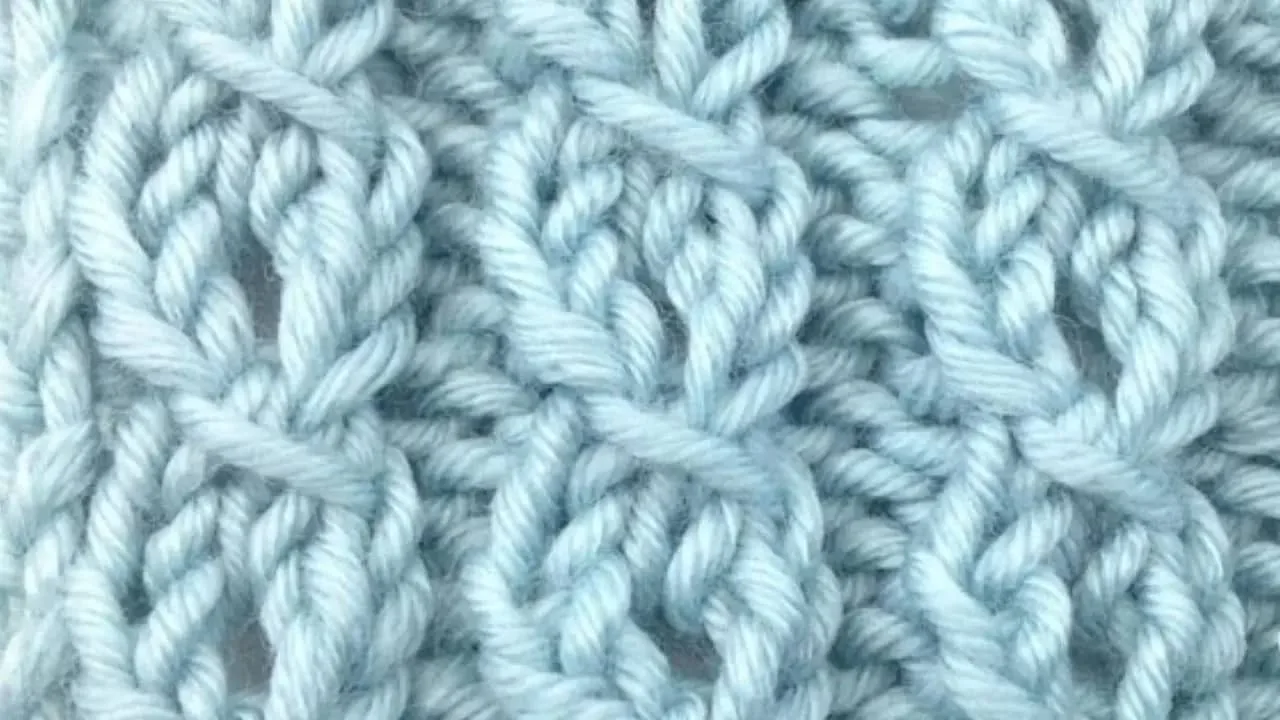
A while back we talked about how slipped stitches work, and the different ways they can be used.
This week, we’re taking a look at twist and twisted stitches.
Yes, there is a difference.
So let’s dive in!
What is a twist stitch?
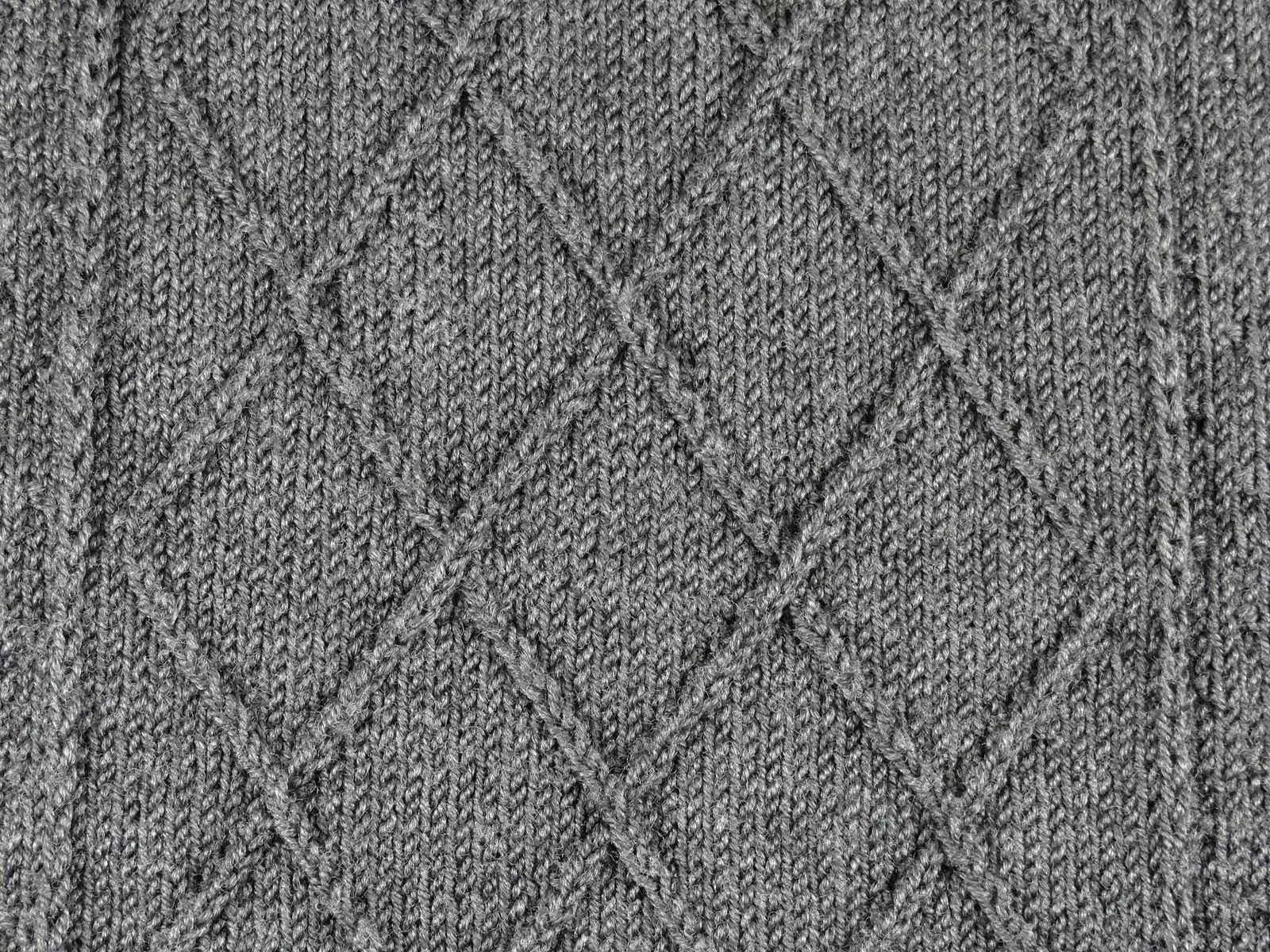
A twist stitch is essentially a 2 stitch cable. We’ve talked about how cables work before, but basically it is the process of swapping stitch positions.
Usually this is done with the aid of a cable needle, but not always.
With a twist stitch, we FLIP one stitch on top of the other.
How? 🤷♀️
By knitting the second stitch on the main needle FIRST, then knitting the first stitch.
Here’s a video that demonstrates exactly how to do this:
Mock Cables
This method of making twists is often referred to as a “mock cable” since it does not require the use of a cable needle.
It’s possible to twist a stitch to the right or to the left.
You can also purl the first stitch and knit the second or visa versa.
This results in a single line of traveling stitches.
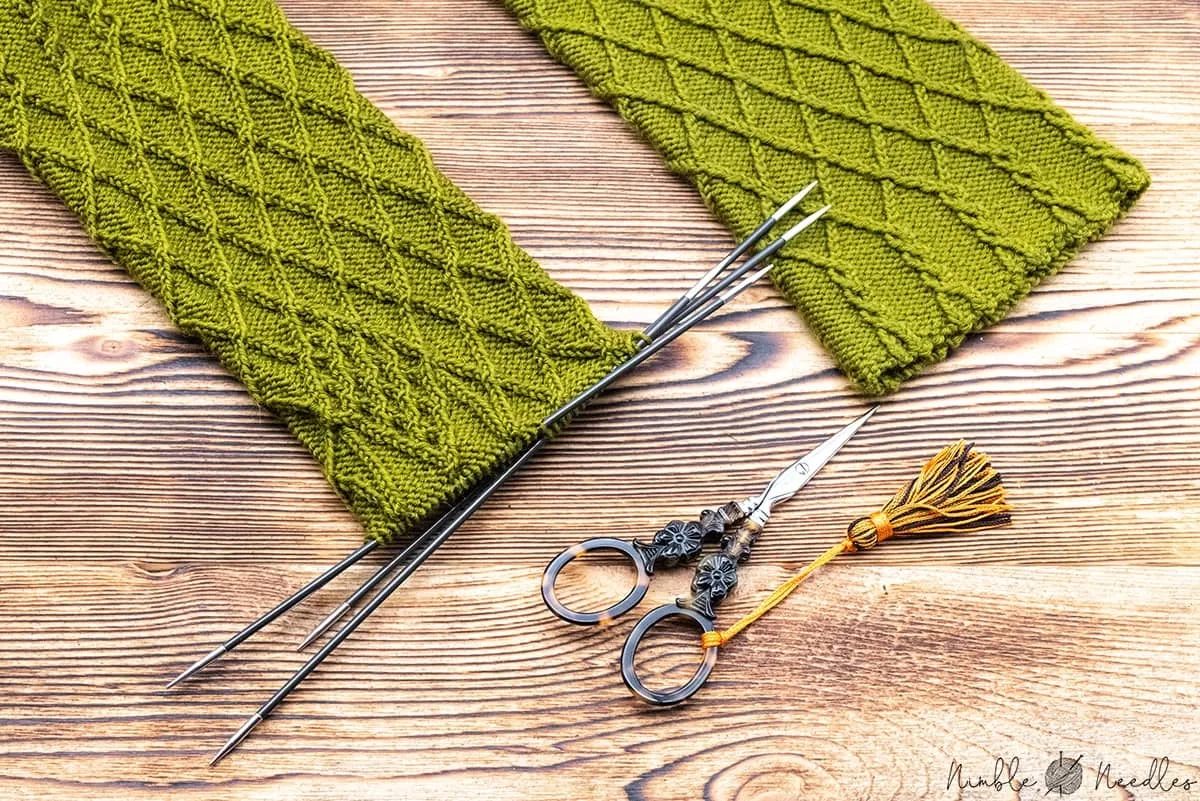
It’s a common design element in almost every Bavarian knitting pattern, but they put another little *twist* on their version.
Twisting Stitches
Ok, a *TWIST* stitch is a mock cable.
So what is a *TWISTED* stitch?
Editors Note: Sometimes knitting terminology is incredibly frustrating and while technically descriptive often lacks much needed nuance for clarity 😫…mini-rant over.
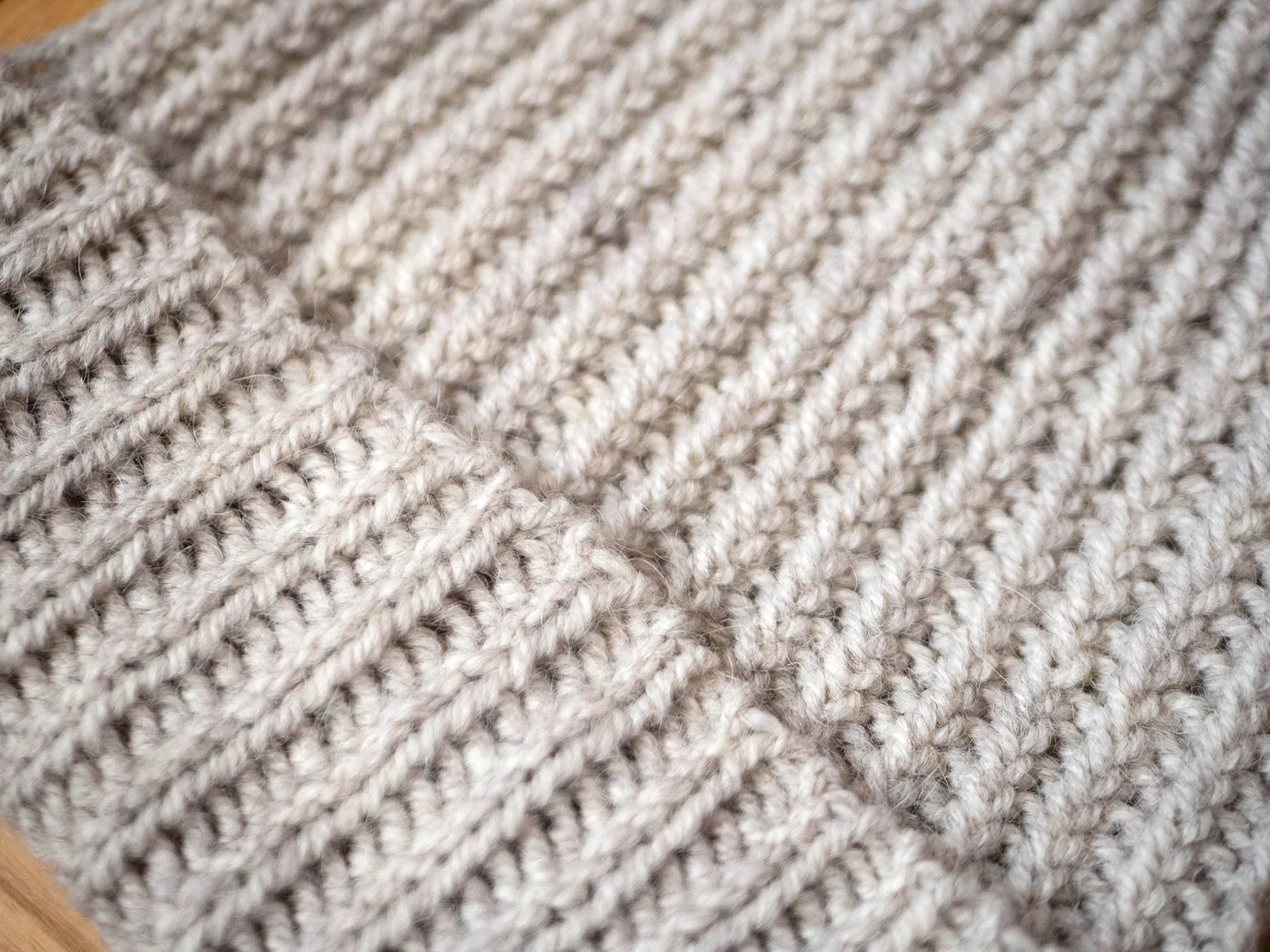
Twisted stitches are when you knit a stitch Through the Back Loop. This flips the orientation of the individual stitch, making the left leg of the stitch lay on top of the right leg.
When you do this on successive rows, this results in a stitch column that looks like a tight braid.
You can see the difference in the picture below.
Other Uses for Twisted Stitches
You may remember in our discussion about ribbing, using twisted stitches can create more defined ribbing.
This is also a useful hack any time you need something to tighten up.
Often the last stitch of a cable can look sloppy due to a change in tension when transitioning to a purl stitch.
Twisting that purl stitch (P TBL - Purl Through the Back Loop) shortens the length of the yarn between the stitches, making everything nice and tidy.
Combined knitters also “say” that they knit their stitches through the back loop, but that’s technically not true.
But again…a story for another day.
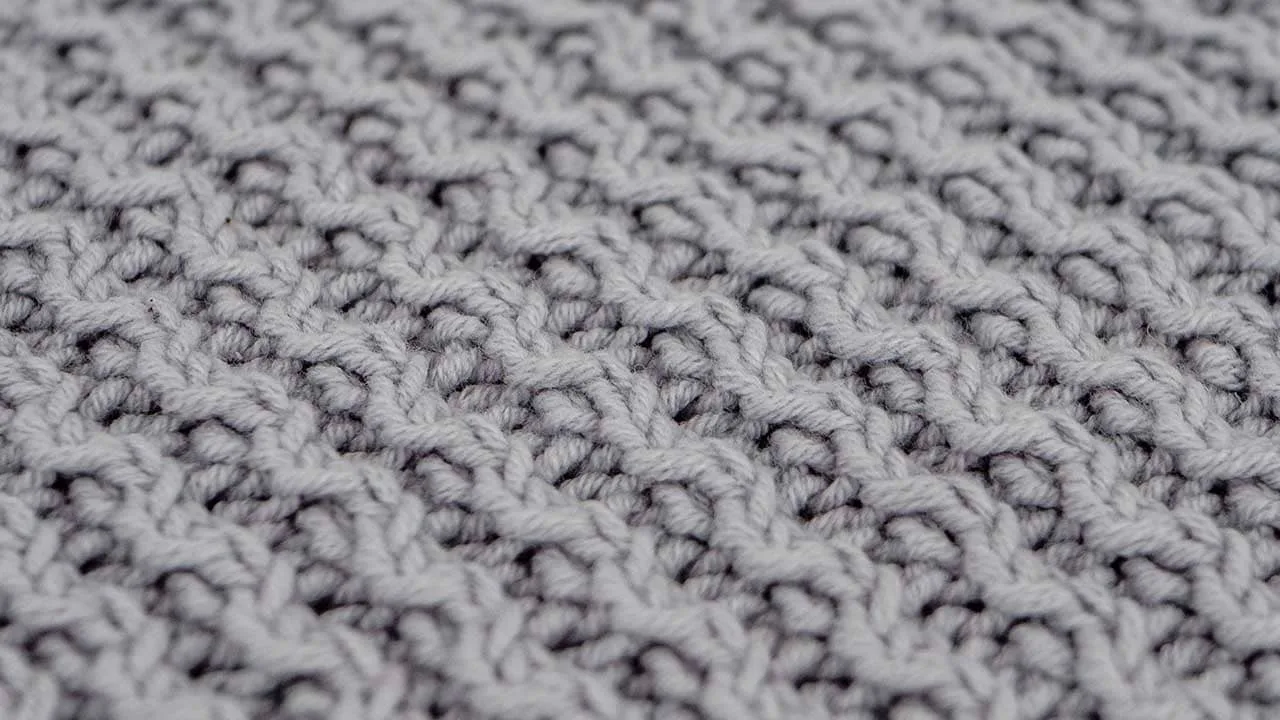
Making Waves
Twist and twisted stitches are not multi tools.
They have very specific jobs, that when used correctly can create really interesting designs.
The hassle of using a cable needle with a 2 stitch cable is made almost effortless when using a right or left twist stitch.
And personally I find these stitches to look nicer as well. The stitches aren’t stretched by pulling them forward or backward, which makes the finished fabric look smoother.
Twisted stitches can be used to great effect for making defined ribs and strong cable lines. They pop off the fabric in a way that most stitches do not.
Conclusion
These stitches aren’t that common, but can be very useful.