Not yet published: imported
Yarn ·
The fascinating facets of the diamond fiber: Mohair
If cashmere is indicative of quiet luxury, then mohair is it's loud cousin.
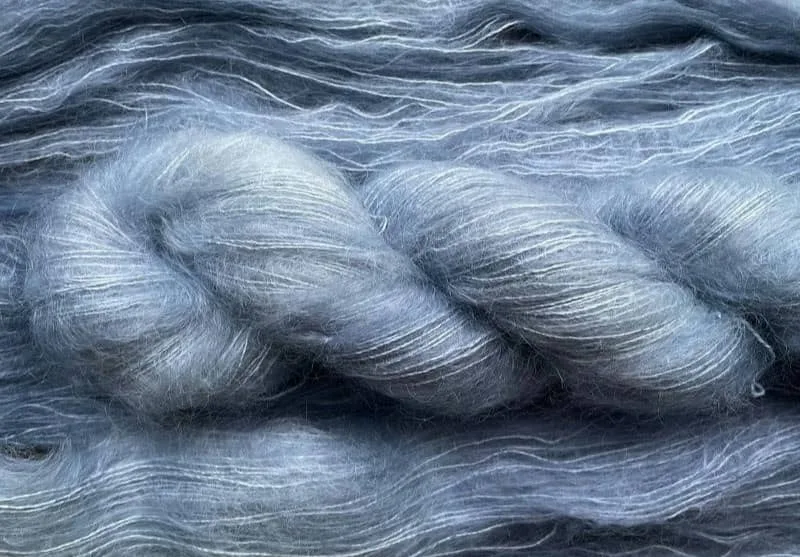
If cashmere is indicative of quiet luxury, then mohair is it’s loud cousin.
This shiny, luxurious fiber is prized for it’s unique properties that go beyond softness and sheen.
Mohair is that bit of bling that elevates an outfit from good to glamourous.
It can be a supportive wingman, making everything around it look a little more classy.
Or it can be the star of the show, stealing the breathe of anyone that catches it’s eye.
And while it’s rarity demands a higher price, Mohair doesn’t care, because it knows its worth it.
So what is it about this yarn that has people calling it *The Diamond Fiber* all around the world?
What exactly is mohair?
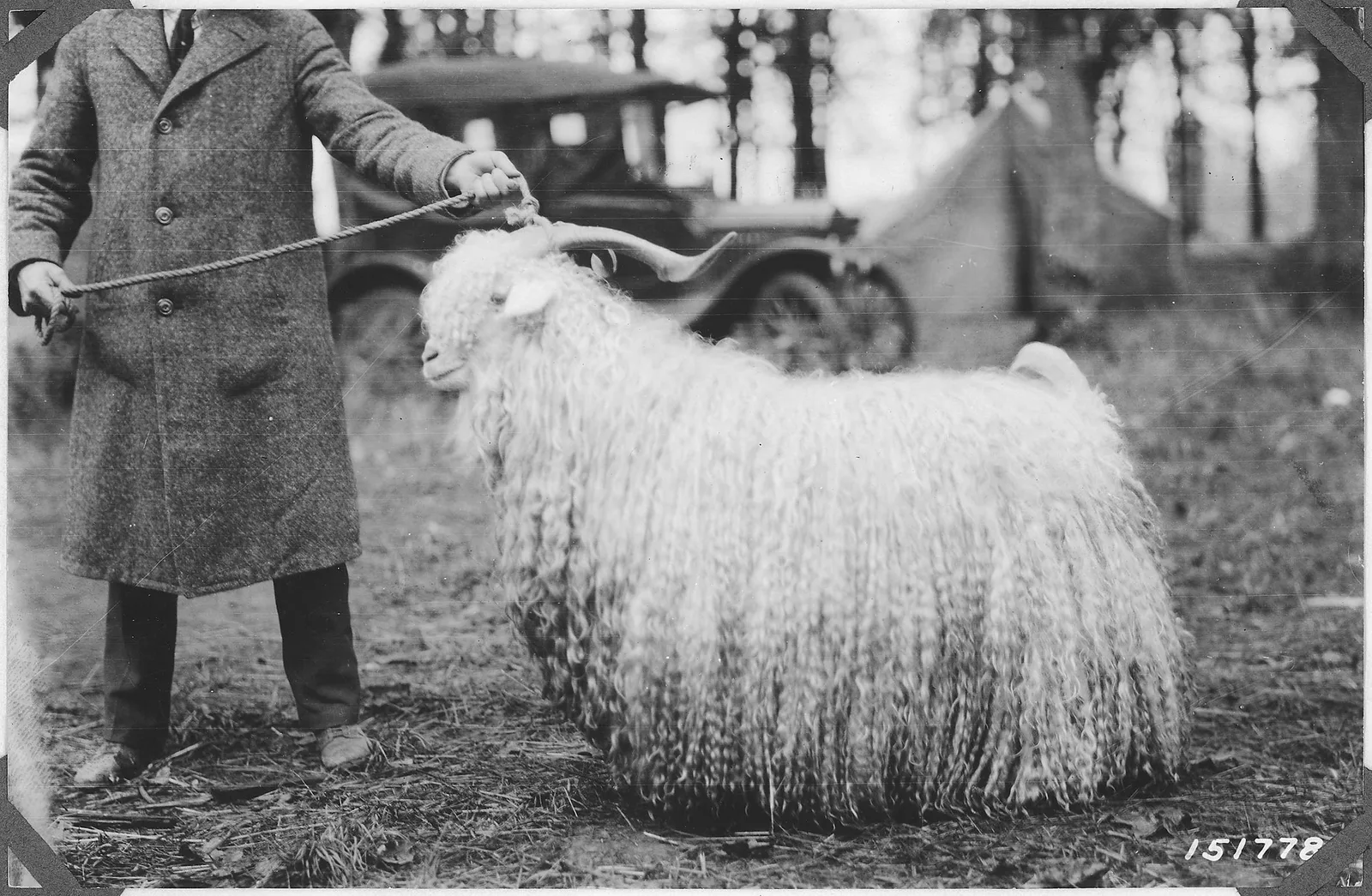
Mohair is a silk-like yarn made from the hair of the Angora goat.
Contrary to common misconception, it’s important to clarify that Angora goats are distinct from Angora rabbits, which produce Angora wool.
The fibers of mohair are known for their high sheen and luster, which is due to the fiber’s smooth surface. While its hair does have scales like other wools, they are not fully developed, giving mohair it’s unique properties.
Mohair fibers are also longer compared to sheep wool, making them less prone to fraying and tangling.
This quality gives mohair yarn a distinctive fluffy and lightweight character, making it a favorite among many knitters.
But how did mohair become so popular as a textile fiber?
A brief history of mohair
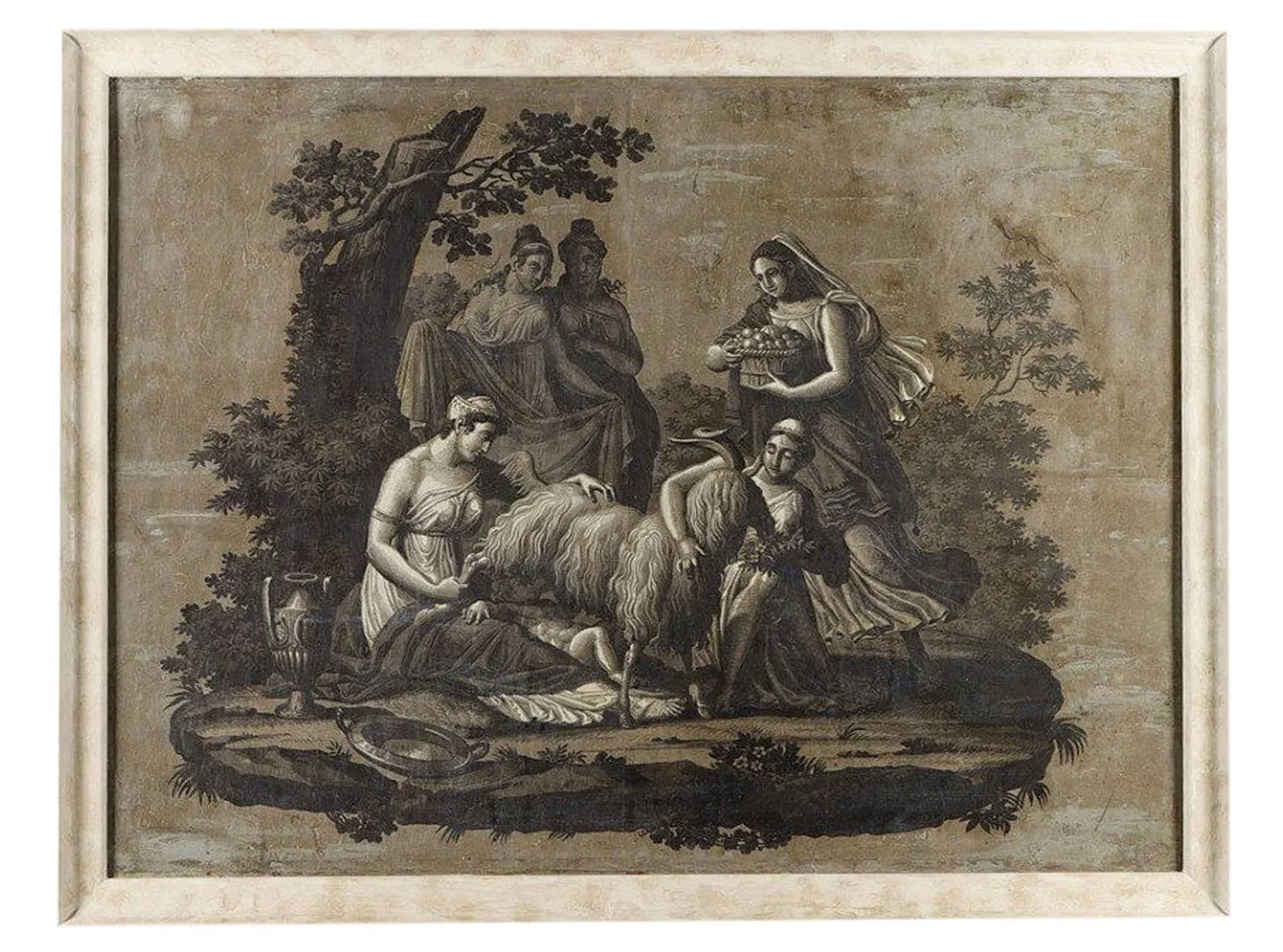
It is believe that mohair is one of the oldest textile fibers in history.
Hailing from the Tibetan mountains, Angora goats made their way into Turkey by the 16th century. The strong textile trade of the region began to spread fabric made from the fiber around the world.
The word “mohair” was most likely adapted from the Arabic word “mukhayyar,” a type of headband worn at the time.
Up until the mid 1800s Turkey had a monopoly on all production of mohair from Angora goats. In 1838 an effort to commercially scale production brought the goats to South Africa where they were crossbred with native goats.
Within a few decades they found their way to Australia, New Zealand, and The United States.
Today South Africa is the largest producer of mohair fiber, with The United States in second.
So what is it about mohair that everyone loves so much?
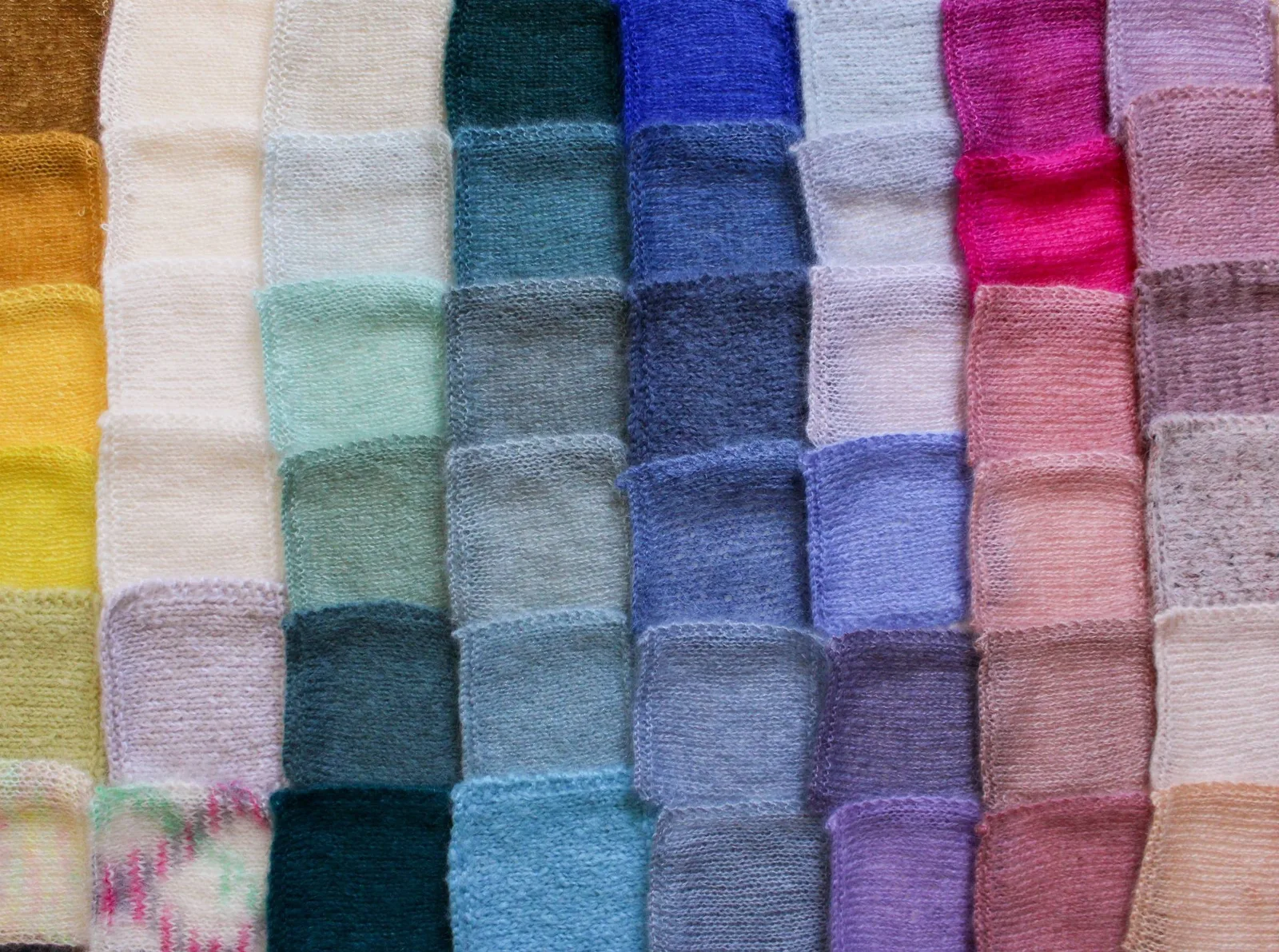
Why knit with mohair yarn?
Mohair yarn boasts several remarkable benefits that make it a coveted material in the knitting and fashion industries.
Here’s some things we adore about it:
- High Sheen and Luster: Mohair has a natural shine, making colors appear more vibrant.
- Excellent Insulation: Despite being lightweight, mohair effectively retains heat, ideal for warm clothing.
- Durability: Resistant to wrinkling, stretching, and sagging, ensuring long-lasting garments.
- Resilience: Maintains its quality over time, perfect for heirloom projects.
- Dyeability: Mohair takes color extremely well and is prized among hand dyers and textile manufactures for it’s color fastness.
It’s also perfect as a carryon yarn, holding it together with another yarn to add some halo.
But we all know every flower has it’s shadow…
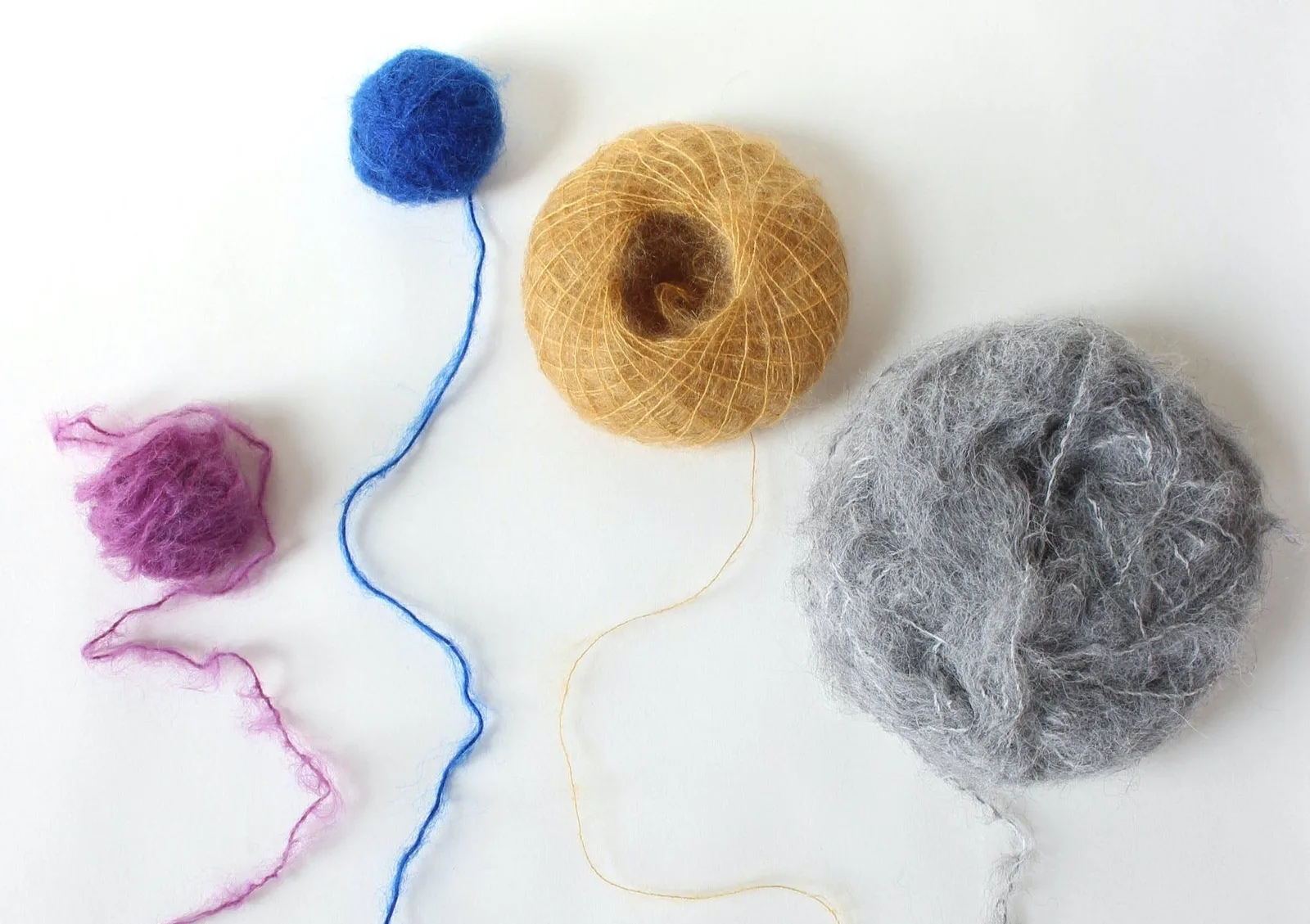
Drawbacks of mohair yarn
Like all yarns, mohair has its share of disadvantages.
Here’s a few things to keep in mind when using it:
- Potential for Allergic Reactions: Can irritate sensitive skin or cause allergies in some individuals.
- Higher Cost: Production costs and demand make mohair more expensive compared to other yarns.
- Maintenance: Requires gentle care; prone to felting if mishandled during washing.
- Limited Accessibility: Its cost and care requirements may not suit all knitters, especially beginners or those on a budget.
Do those things stop us from knitting with it?
NOPE!
So which yarns do we recommend?