

Not yet published: imported
History ·
Ode to My Socks
Here at the Yarnist we like to explore the culture of knitting from multiple angles, whether it's YouTubers who dive into vintage knitting patterns, artists who paint with yarn, or knitting along with classical music.
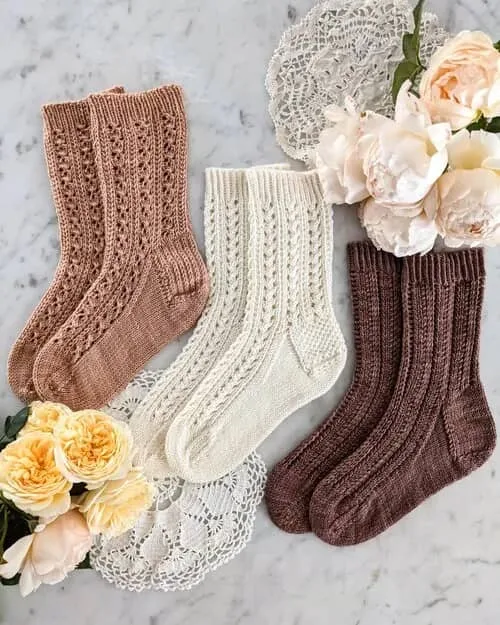
Here at the Yarnist we like to explore the culture of knitting from multiple angles, whether it’s YouTubers who dive into vintage knitting patterns, artists who paint with yarn, or knitting along with classical music.
Recently I was thinking about love.
Or rather how love is sometimes professed through poetry.
Which got me wondering if anyone had written any love poems about knitting.
To my surprise I found one by a Nobel Prize winning poet.
But before I share it with you let’s give a little background.
What is an Ode?
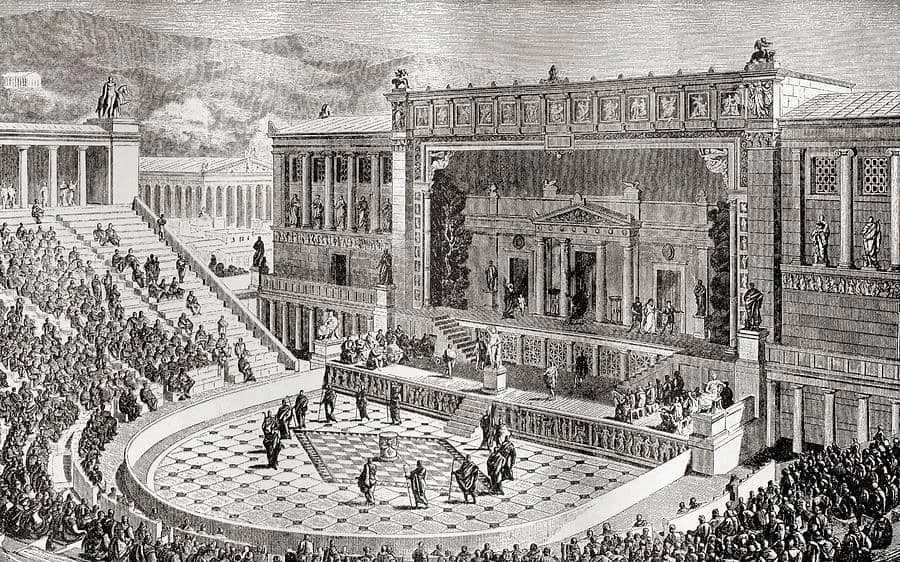
The ancient Greeks are credited with creating the ode; a type of lyrical poem expressing love and affection, often for some small thing.
There are three traditional forms of ode.
First is the Pindaric, which was originally a public poem set to music meant to celebrate the Gods and important events. These established the three parts of an ode consisting of the strophe, antistrophe, and epode.
The Horatian ode, named for the 1st century poet Horace, focused on more personal, philosophical, and emotional themes. It began the practice of regular 2 or 4 line stanzas and rhyming schemes, giving each section of the poem more structure.
Finally, during the Romantic Age, poets began to play with the form of the ode. This developed into the Irregular Ode, which doesn’t follow any of the classical rules.
While there are modern examples of all these styles of poems, it is the last which many poets use most today.
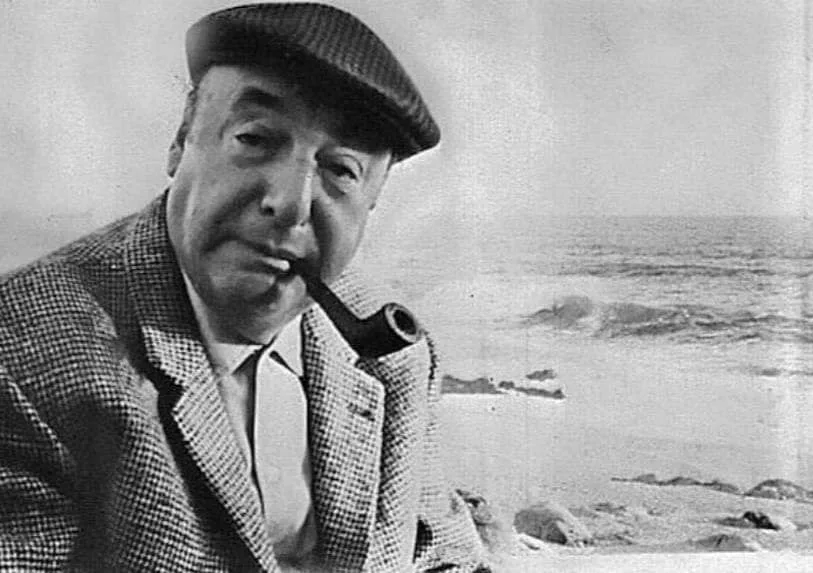
That includes the famous Chilean writer and Nobel laureate Pablo Neruda.
Who was Pablo Neruda?
Pablo Neruda was born Ricardo Eliezer Neftali Reyes y Basoalto in 1904 in Temuco, Chile.
He adopted his famous pseudonym in his early teens, using it to get published in local papers and magazines.
After moving to Santiago in 1921, he wrote the work which he is best known for, 20 Love Poems and a Song of Despair. His writing mixed memories of past loves with those of the wilderness he grew up in.
“Traditionally,” stated Rene de Costa in The Poetry of Pablo Neruda, “love poetry has equated woman with nature. Neruda took this established mode of comparison and raised it to a cosmic level, making woman into a veritable force of the universe.”
With the rise in his popularity, he was sent abroad as a consul for Chile. Unfortunately he was not prepared for the poverty and loneliness he experienced while traveling the far east. He was driven to political activism and became a fervent supporter of Communism.
It was not until the 1950s that he returned his focus to writing about love. His collection One Hundred Love Sonnets is considered some of the finest modern love poetry.
Only a fraction of Neruda’s work has been translated to English from Spanish, but I came across one of his poems particularly suited to knitting…
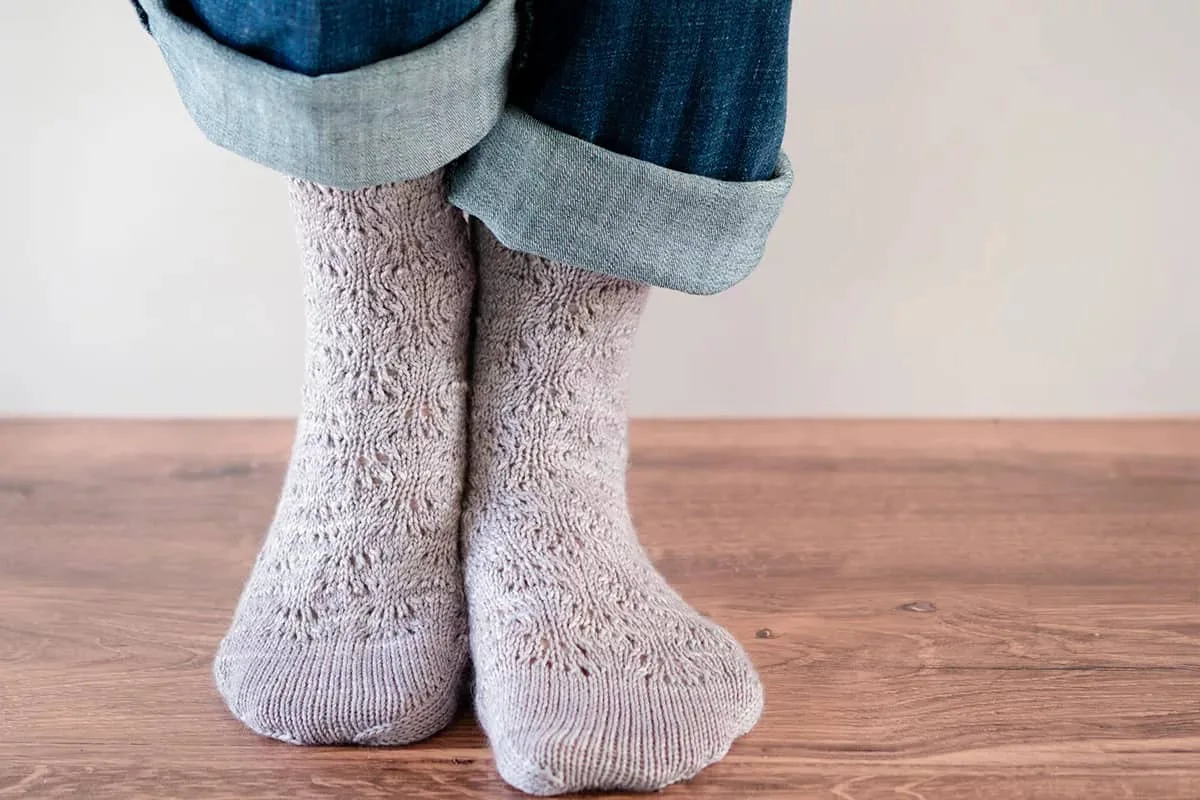
Ode to My Socks by Pablo Neruda
Mara Mori brought me
a pair of socks
which she knitted herself
with her sheepherder’s hands,
two socks as soft as rabbits.
I slipped my feet into them
as if they were two cases
knitted with threads of twilight and goatskin,
Violent socks,
my feet were two fish made of wool,
two long sharks
sea blue, shot through
by one golden thread,
two immense blackbirds,
two cannons,
my feet were honored in this way
by these heavenly socks.
They were so handsome for the first time
my feet seemed to me unacceptable
like two decrepit firemen,
firemen unworthy of that woven fire,
of those glowing socks.
Nevertheless, I resisted the sharp temptation
to save them somewhere as schoolboys
keep fireflies,
as learned men collect
sacred texts,
I resisted the mad impulse to put them
in a golden cage and each day give them
birdseed and pieces of pink melon.
Like explorers in the jungle
who hand over the very rare green deer
to the spit and eat it with remorse,
I stretched out my feet and pulled on
the magnificent socks and then my shoes.
The moral of my ode is this:
beauty is twice beauty
and what is good is doubly good
when it is a matter of two socks
made of wool in winter.
Conclusion
I love how Neruda captures the conflict of wanting to keep his precious hand knit socks safe from the world but also honor their beauty through wearing them.
As knitters we don’t often get the spotlight shone on us, or even recognized for the effort and love we put into our craft.
So today I hope you know that you are appreciated, and your knits are magnificent.
But what do you think?
Did you like this poem?
If you’re a fan of poetry who is your favorite writer?