

Not yet published: imported
Linen: An ancient, forgotten fiber
The world of yarn can be broken up into three main categories; animal fibers, synthetic fibers, and plant fibers.
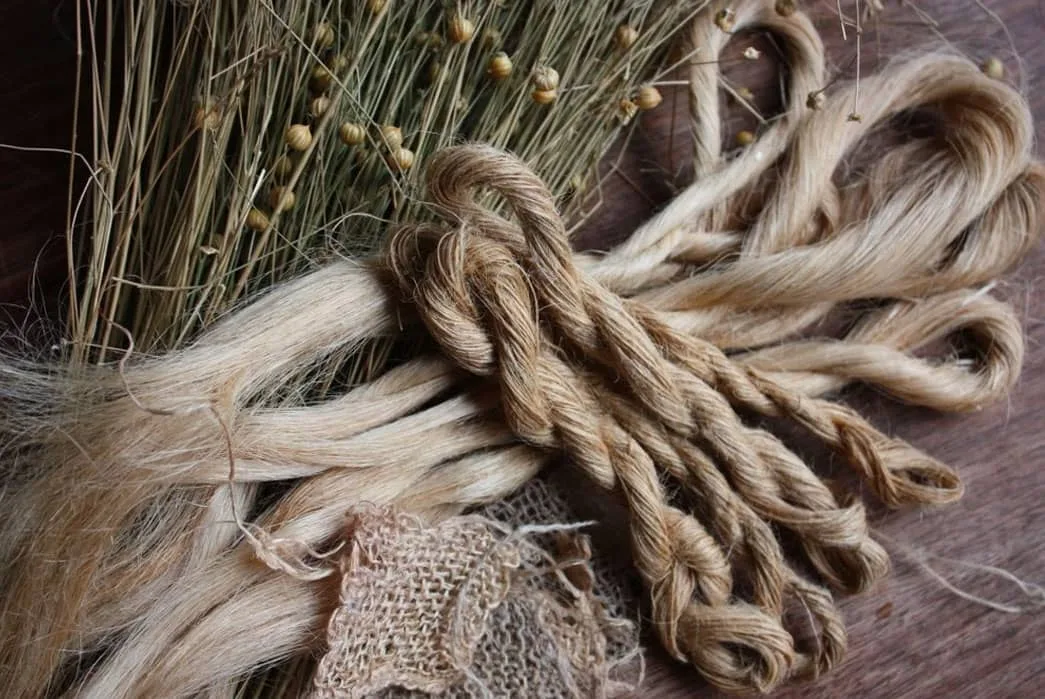
The world of yarn can be broken up into three main categories; animal fibers, synthetic fibers, and plant fibers.
As the weather gets warmer it’s natural to shift from warm yarns like wool and alpaca to those which can help keep you cool.
If you are allergic to wool then you are familiar with cotton, bamboo, and even acrylic as an alternative.
But that’s not the only fiber you can use to knit up beautiful projects during spring and summer.
One such fiber has a history going back thousands of years and some major benefits to uncover as we explore today’s topic; linen.
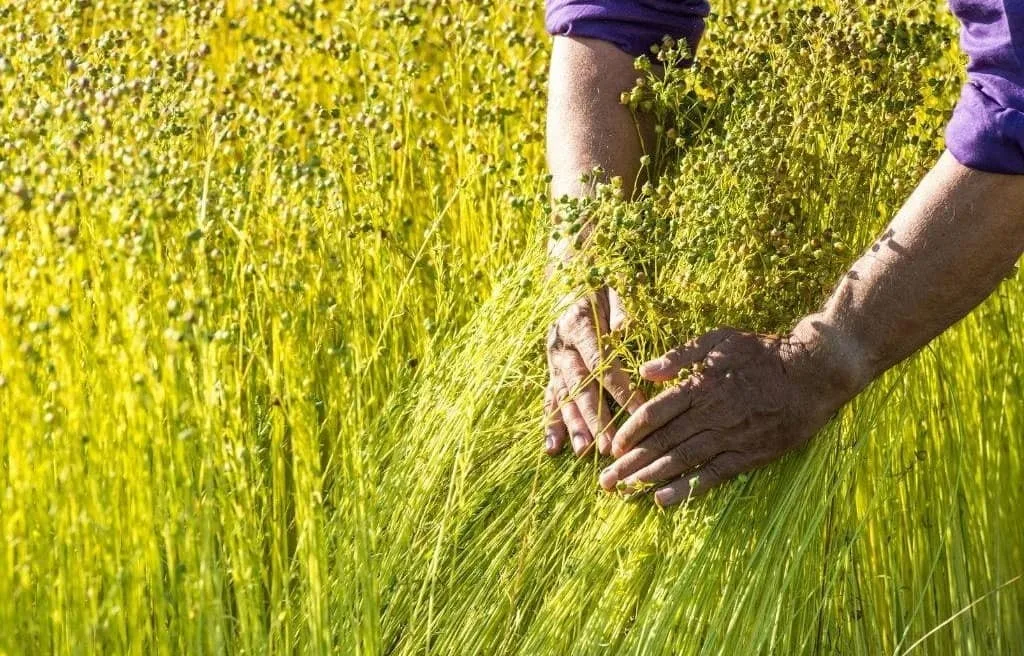
What exactly is linen?
The word linen is derived from the Latin word for flax, linum. Flax is a flowering plant which has been grown in temperate climates around the world for millennia.
The seeds are often harvested for linseed oil, which is used as a nutritional supplement and an ingredient in wood-finishing products. Flax meal, the ground up seed pulp, is also used for animal feed.
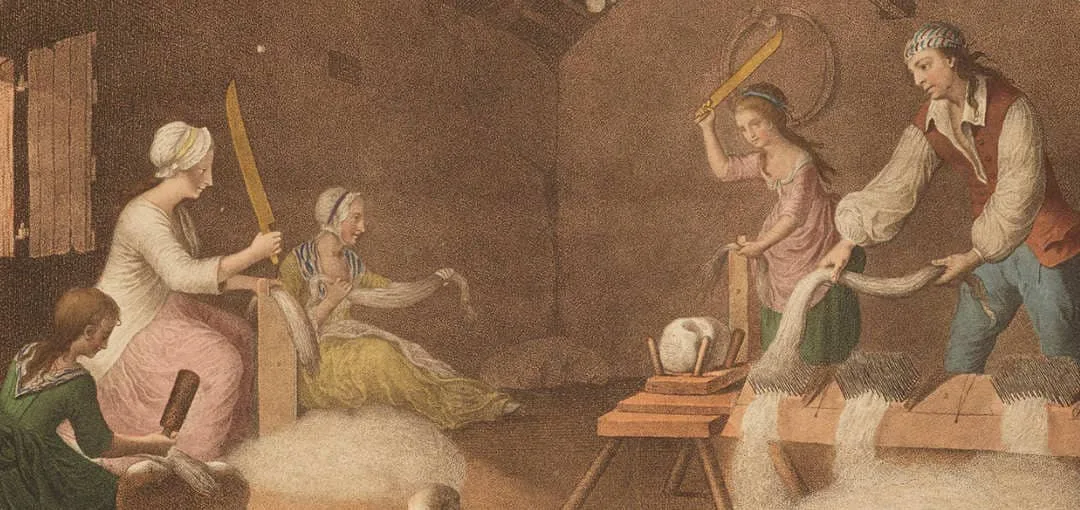
Flax plants are processed by removing the fibers from the bast beneath the surface of the stem. These fibers are further refined for spinning using a process called retting, where the flax plants are soaked in water to rot the outer stem.
Finally the flax is dressed in a three step process which separates the straw fibers and prepares them to be spun into linen.
A brief history of Linen
The oldest examples of linen textiles date back 30,000 years and were found in a cave in the Republic of Georgia.
Fragments of linen fabric have been found in Turkey, China, India, and Egypt and range in age from 5,000-9,000 years old. In fact ancient Egyptian priests wore robes made only from linen as it was considered a symbol of purity.
By the early 20th century linen was supplanted by cotton, which was easier and cheaper to process.
Today 90% of all linen is produced in Russia and is primarily used for fabrics like bedsheets (linens), towels, and clothing.
What is linen yarn?
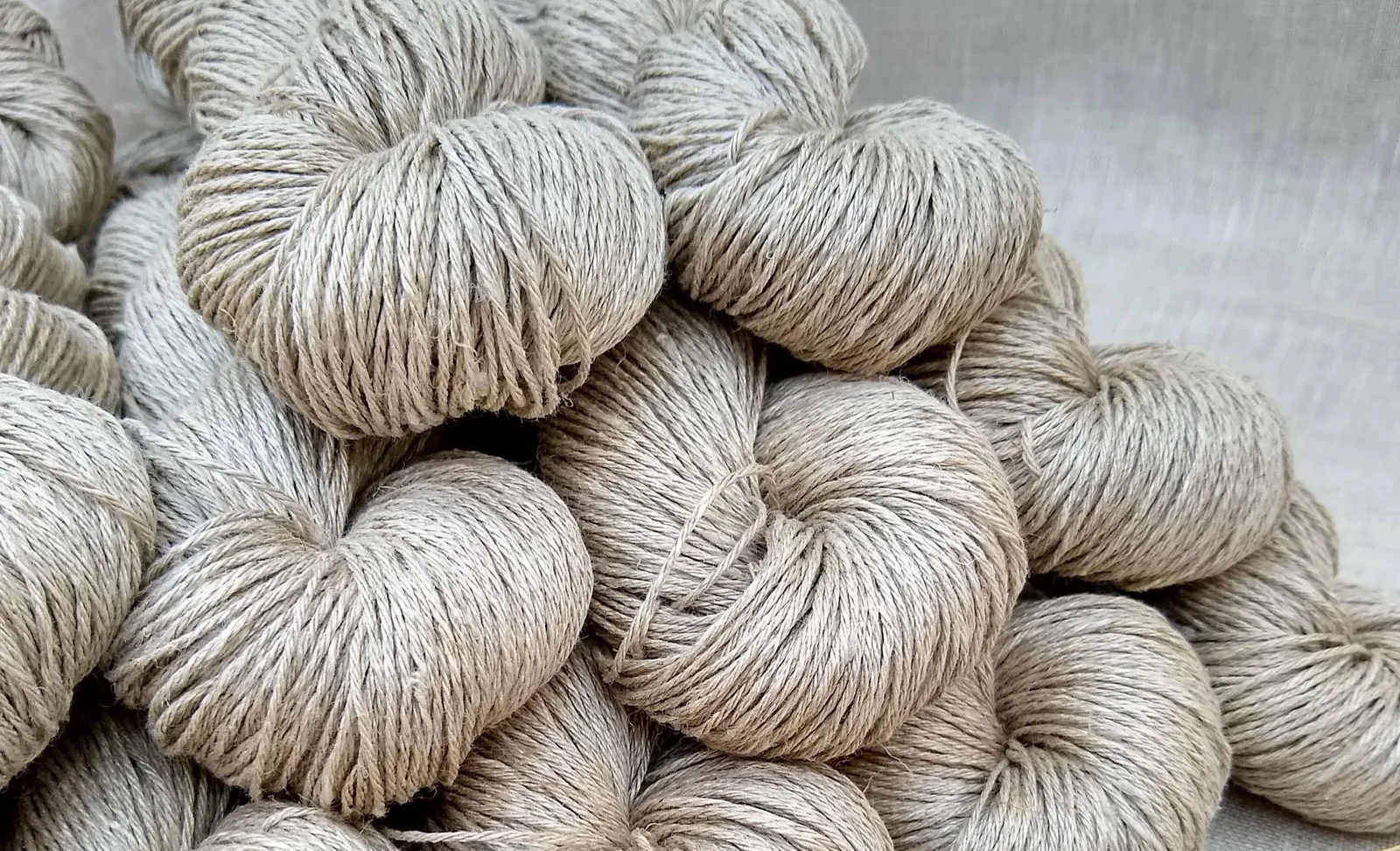
Linen is most often woven into textile fabrics. However in recent decades it has made its way into yarns for hand knitting.
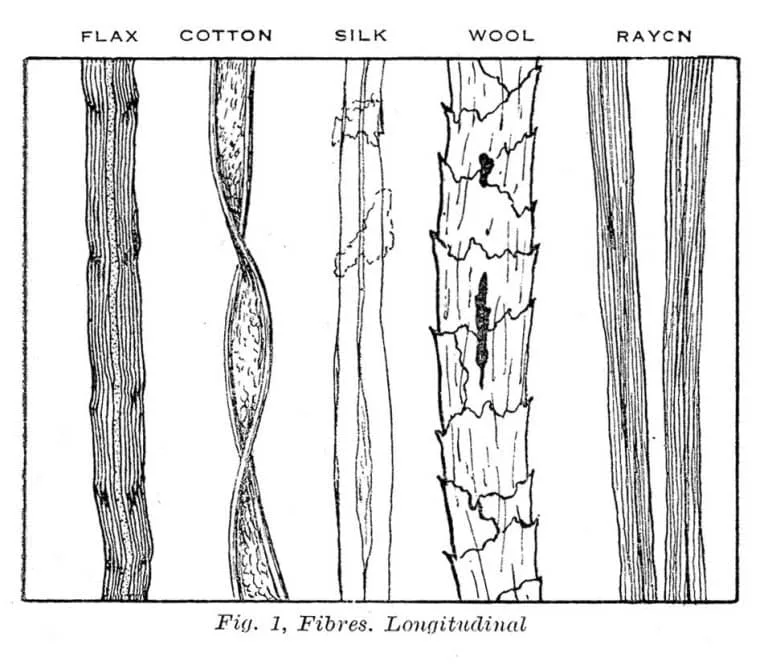
The long, strong fibers have a natural waxy coating, giving the yarn a nice sheen.
But linen has other benefits which make it a good option for warm weather knits.
Benefits of linen yarn
-
Hypoallergenic and antibacterial
Linen does not produce any allergens but it also has properties that fight odor causing bacteria. -
The world’s STRONGEST natural fiber
Linen is 30% stronger than cotton and extremely durable. While cotton fabrics may last 3-5 years, fabric made from linen can last 20-30 years -
Softens with time
While it can start out a bit stiff and scratchy, linen is known for it’s ability to soften over time. And the longer it is used the softer it gets. -
Anti-Static
Linen doesn’t get as dirty as other fibers because it doesn’t let dirt stick to it easily. -
Eco-Friendly and biodegradable
Some “eco-friendly” fibers actually require some harsh chemical processing. While linen is quite labor intensive to process, it is an extremely sustainable fiber to grow.
Cons of linen yarn
-
Mostly Blended
100% linen yarns are uncommon and not very fun to knit with since they have that stiff, scratchy state on new linen fibers. Most linen yarns on the market are blended with other fibers, diminishing some of its benefits. -
Expensive
Because of it’s intensive processing, linen is expensive to incorporate into yarn. You’ll primarily find it in luxury yarns, or mixed with much cheaper fibers. -
Wrinkles
Remember that stiffness we mentioned? Well new linen has a tendency to crease and wrinkle. This isn’t a huge problem for blended yarns, but something to keep in mind. -
It doesn’t stretch
Linen is REALLY strong. And it don’t like to be told what to do. So it kinda just stays where it is. That’s good for creating structure in a knitted fabric, but bad for blocking that fabric into a different shape.
So what is linen yarn good for?
Linen is a great addition to a warm weather yarn.
It’s extremely light and breathable, and while it is absorbent it doesn’t hold onto moisture like cotton.
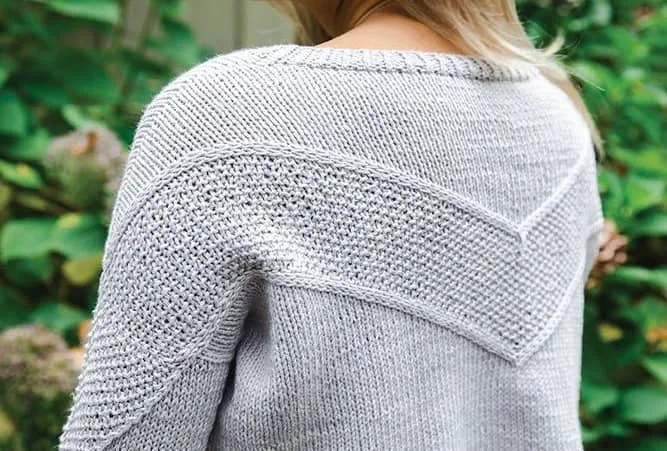
If you want a lightweight tank, shawl, or t-shirt for the spring and summer, then linen might be the way to go.
Heck a linen blend in a sweater will help shade you from the sun while keeping you cool at the beach!
Linen Yarns We Love
Here’s some of our favorite linen yarns you might want to check out:
-
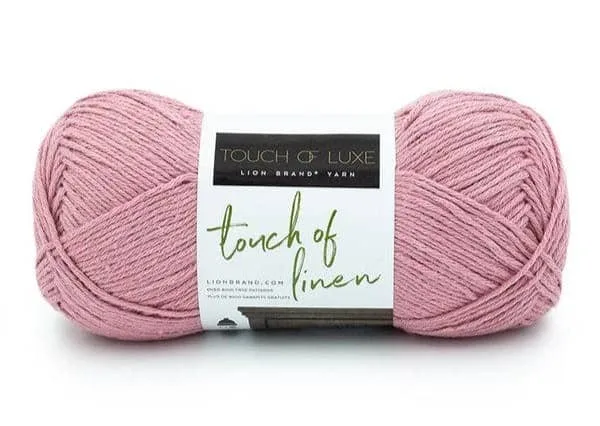
Touch of Linen by Lion Brand Yarn
Worsted weight (CYC 4) | 51% Cotton, 49% Linen (197yds / 100g)
If you’re looking for a machine washable natural fiber blend, then you can stop right here. Part of the Touch of Luxe line, this yarn is perfect for warmer weather or anytime a breathable material is beneficial.
Get it at Amazon -
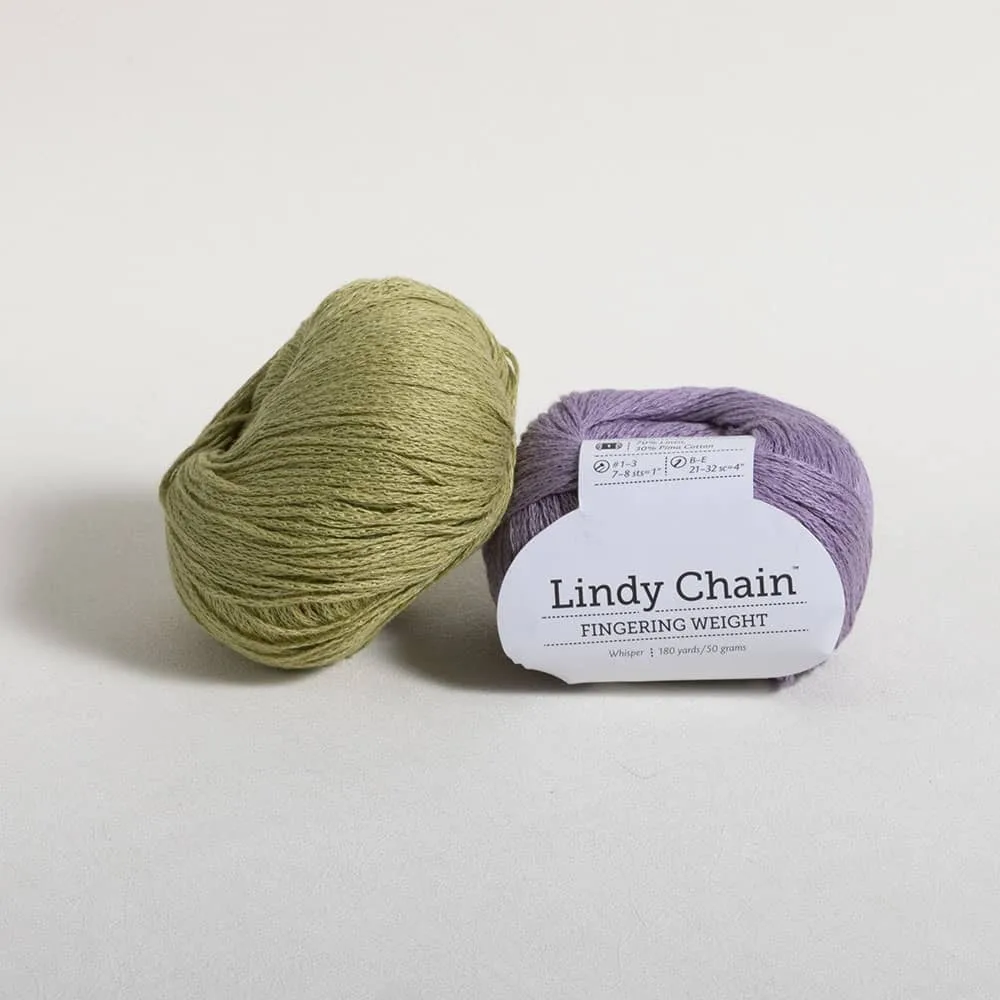
Lindy Chain by Knit Picks
Fingering weight (CYC 1) | 70% Linen, 30% Pima Cotton (180yds / 50g)
Capture the spirit of spring with Lindy Chain! Superbly lightweight and endlessly versatile, this chainette yarn is just the thing for warm weather. The linen adds a crisp stitch definition that shows off textures while adding a lovely drape and sheen that just gets softer with every wash.
Get it here -
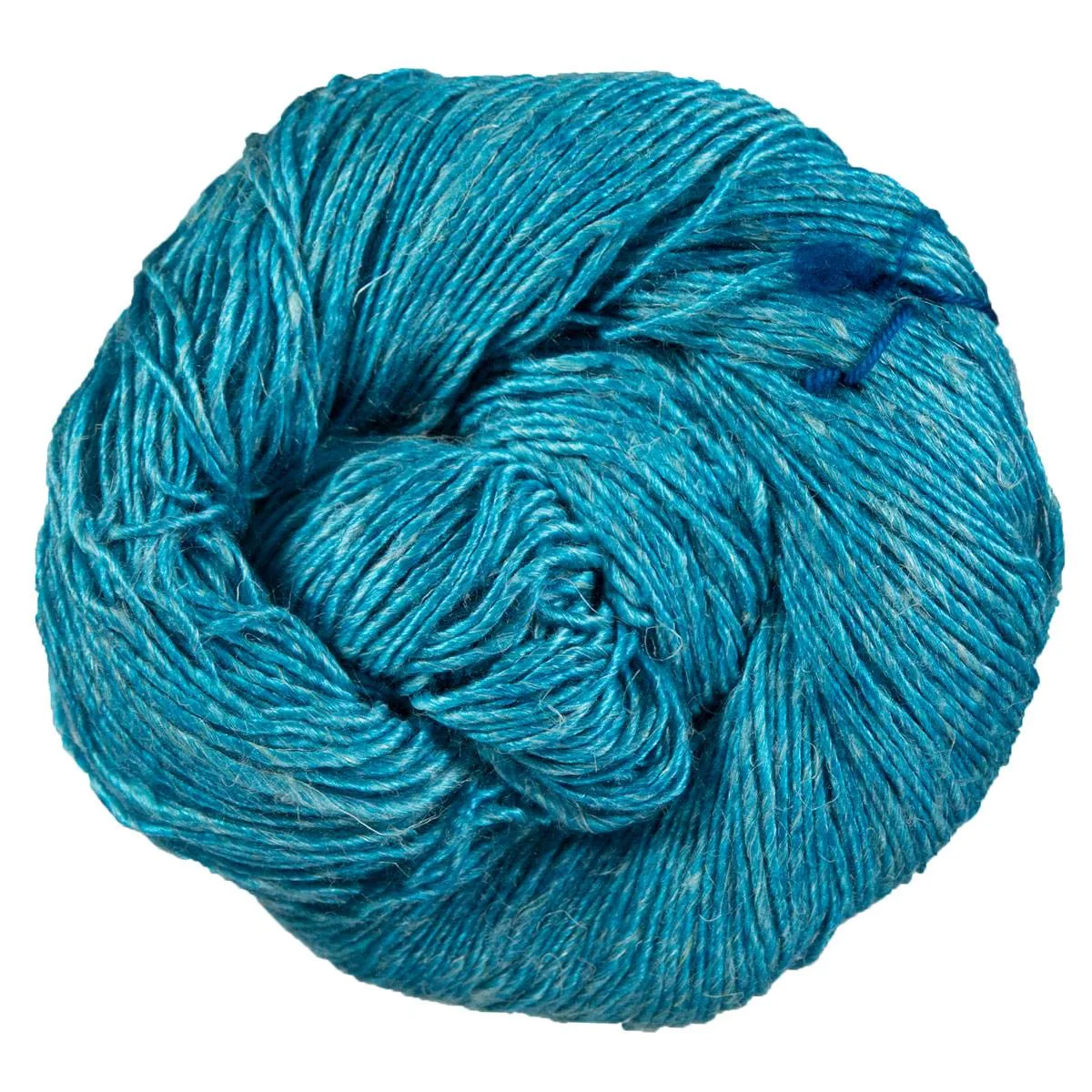
Susurro by Malabrigo
DK weight (CYC 3) | 50% Silk, 25% Merino, 25% Linen (325yds / 100g)
Malabrigo Susurro is the perfect combination of soft, light, and breezy! Made of Mulberry silk, Merino wool, and Linen, this gorgeous blend gives the yarn a sharp contrast between the linen texture and the silky sensation of the merino. These three fibers also create a gorgeous depth of color for the yarn, providing an almost metallic sheen.
Get it here -
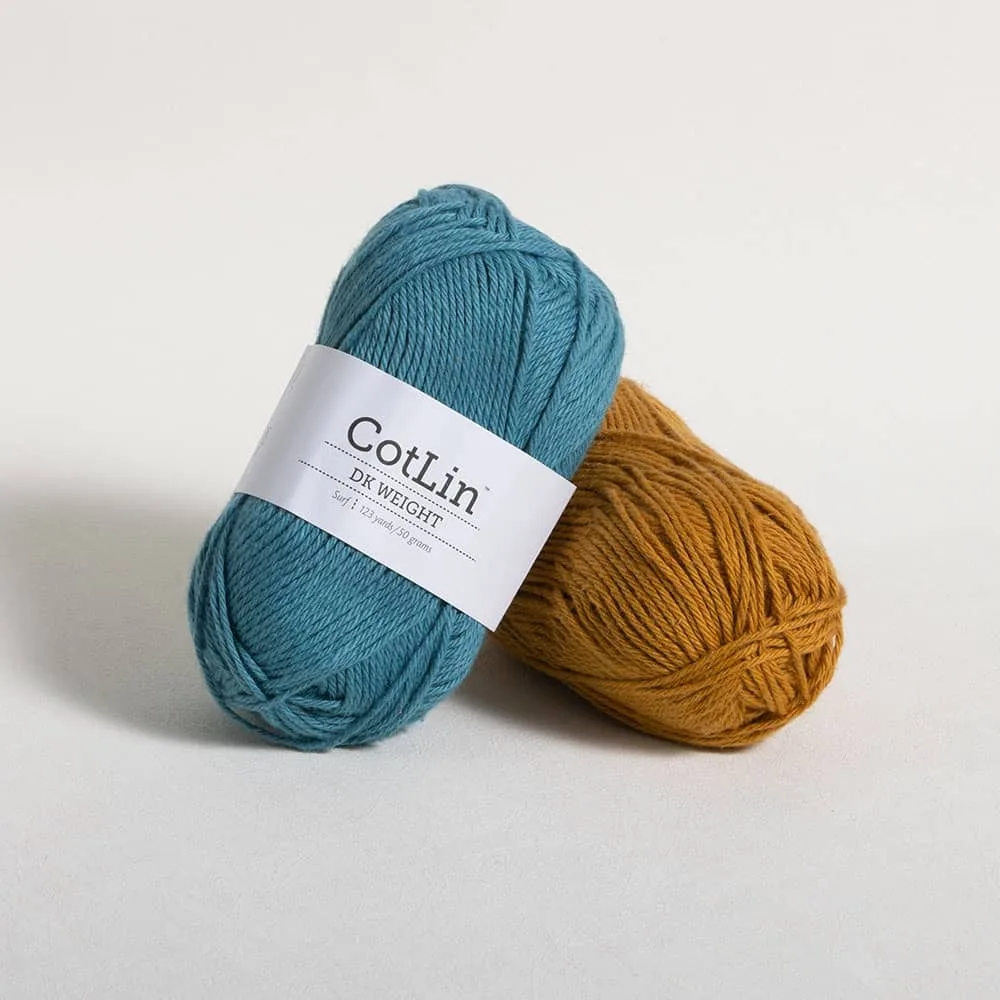
CotLin by Knit Picks
DK weight (CYC 3) | 70% Tanguis Cotton / 30% Linen (123yds / 50g)
CotLin is a cool and lightweight Tanguis cotton and summer linen blend. Tanguis (tan-gwiss) cotton has a very soft hand, excellent absorption, and, because it is a naturally white fiber, a high affinity for dyes. The Belgian linen adds characteristic flecks and additional absorbency with very low elasticity - helping to alleviate stretching in the finished knit. Summer linen has an extended growing period which results in a longer, stronger fiber. When blended with the already strong Tanguis cotton, it makes a durable, wearable, and soft yarn. The knit fabric will get softer with each wash too.
Get it here -
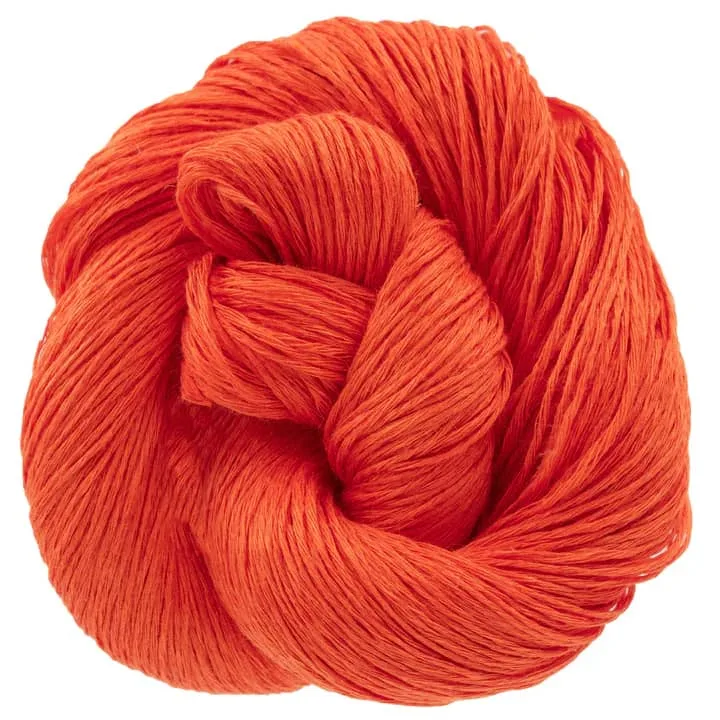
Modern Linen by Berroco
DK weight (CYC 3) | 100% Linen (273yds / 100g)
Meet your new warm-weather BFF—Berroco Modern Linen! This DK-weight dream is spun from 100% linen, making it the ultimate sidekick for breezy tops, flowy shawls, and all things summer chic. Light, airy, and oh-so-cool (literally!), this yarn softens up beautifully with every wash while keeping its crisp stitch definition.
Get it here
Some of these are affiliate links. Buying through them supports The Yarnist at no extra cost to you.
Conclusion
So there you have it.
We think linen is a pretty amazing fiber and an absolute pleasure to work with in warm weather.
But what do you think?
Have you knit with linen yarns before?
How did it go?
We’d love to hear your feedback. 😊