

Not yet published: imported
Yarn ·
How the Bicycle Shaped the Modern Sweater
A few years back, I interviewed knitting historian Elizabeth Lovick for Yarnist Magazine.
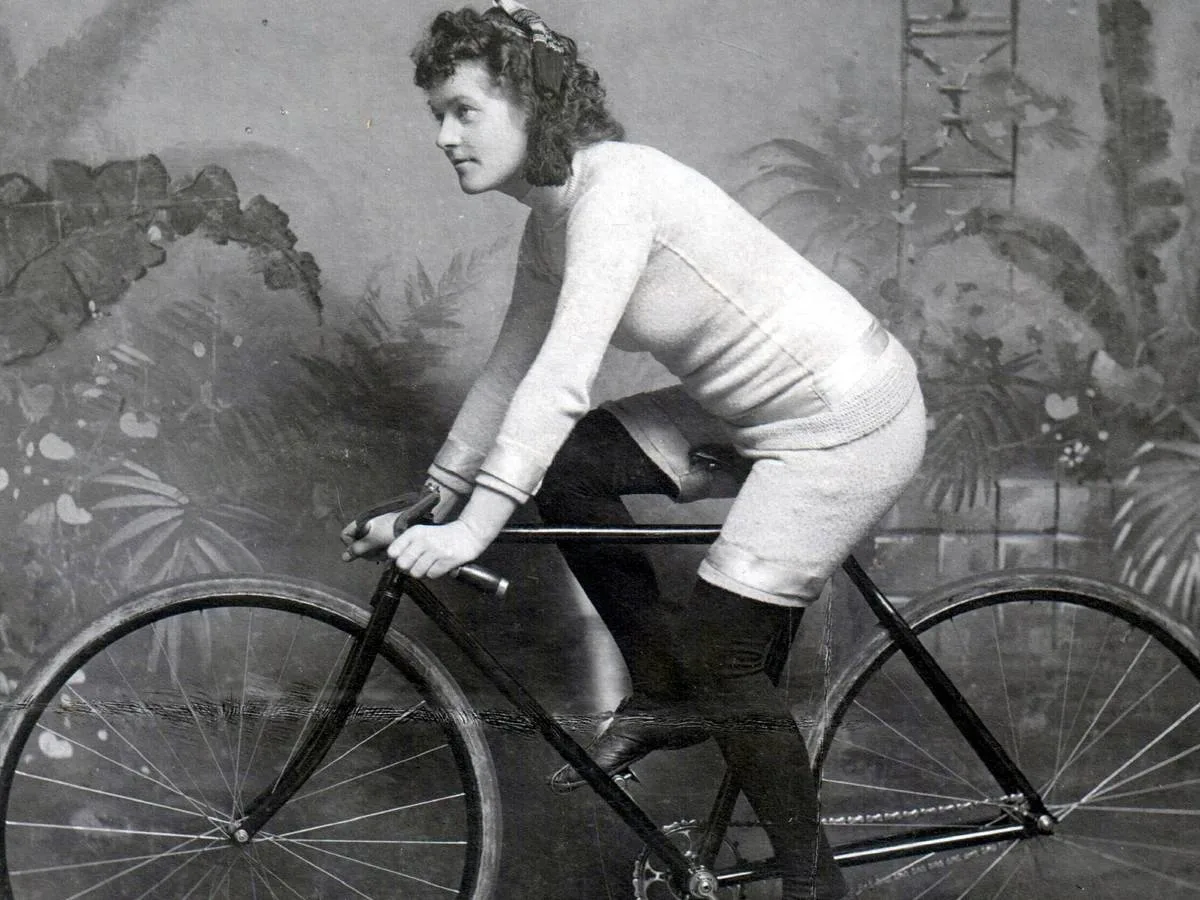
A few years back, I interviewed knitting historian Elizabeth Lovick for Yarnist Magazine.
If you don’t know her, she’s the researcher and designer behind Centenary Stitches, a project that recreated period knitwear for the World War I film Tell Them of Us. That’s a story for another time.
During our interview, she told me something I didn’t believe at first.
She claimed the bicycle was a main reason sweaters became everyday clothing for women.
So I did a little digging, and it turns out there’s truth to the story.
Here’s how it happened.
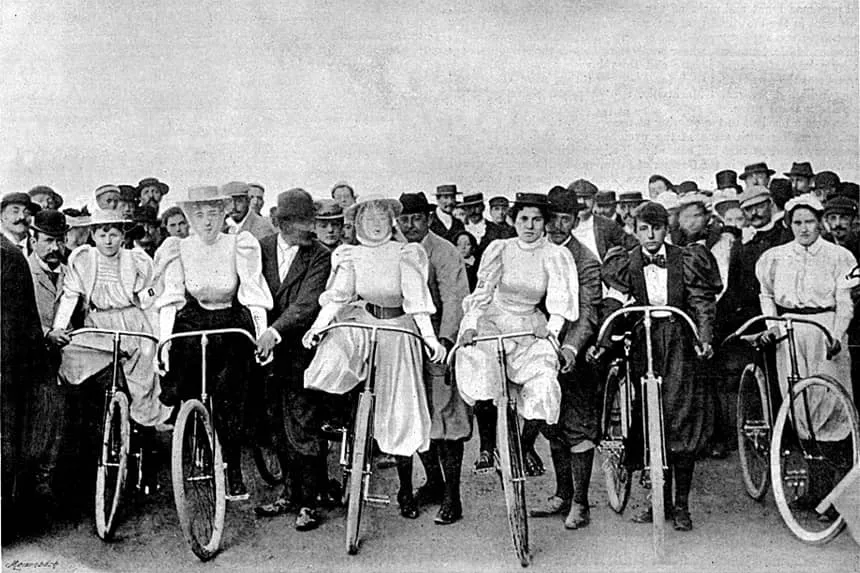
The bicycle boom in the 1890s
Industrial manufacturing helped make bicycles safer and more affordable, and by the 1890s, millions of people were riding them.
Meanwhile, a growing middle class had money and leisure time to spend on activities like cycling, golfing, and boating.
But those activities called for something their everyday wardrobes didn’t always provide: comfortable clothes they could move in.
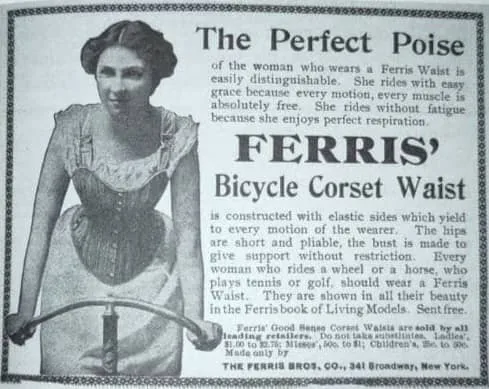
If you were a middle-class woman back then, it was tough to pedal around in a corset, blouse, and floor-length skirt.
Elizabeth explained that women began borrowing sweaters from their husbands and brothers.
The knitted fabric of a sweater was well suited to the job: warm, stretchy, and comfortable to move in.
It was something you could “sweat” in.
So this item, long associated with the docks and the rowing club, began finding a wider audience.
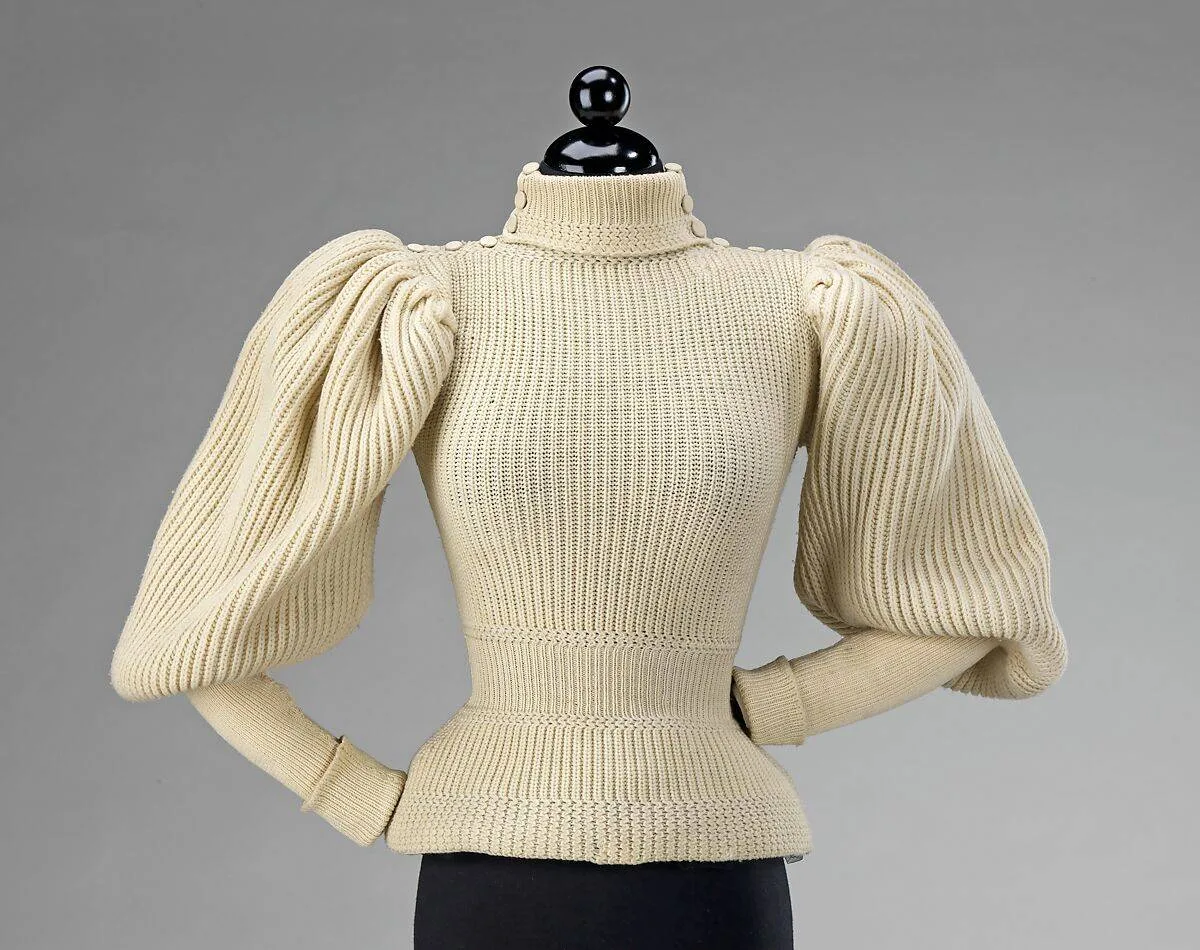
Sweaters as fashion
Women didn’t just wear the boys sweaters, they made them their own.
Puffy sleeves, shaped waists, and details borrowed from the fashionable clothes of the day.
“Bicycle suits” were as trendy then as Sophie scarves are now.
You didn’t even need to cycle.
Kind of like people wearing yoga pants without ever doing yoga.
But the trend had died off within 6 years.
The sleeves, not the yoga pants. Those seem here to stay.
Sweaters kept changing along with women’s clothing.
Then World War I changed the way everyone dressed.
From fashionable to functional
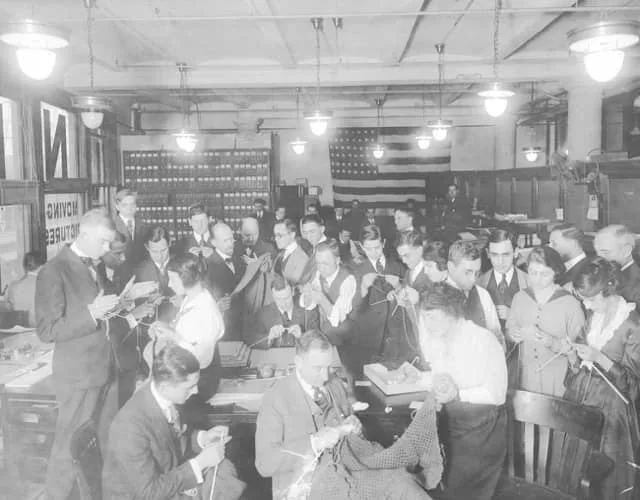
During World War I, knitters put their needles to work for the troops.
Organizations such as the Red Cross printed leaflets that told them what was needed and how to make it.
Sweaters, socks, mufflers, and wristlets: each with detailed instructions to help volunteers make garments that fit and did their job.
Knitters across America and Great Britain could sit down with the same instructions and make the same practical garments for people they might never meet.
There was less room for making it your own. Warmth, fit, and consistency came first.
And those sweaters didn’t have to stay behind when the fighting ended.
In December 1918, the U.S. Army explicitly allowed discharged men to keep their Red Cross sweaters and other donated garments.
It’s reasonable to think that helped carry practical knitwear back home from the war.
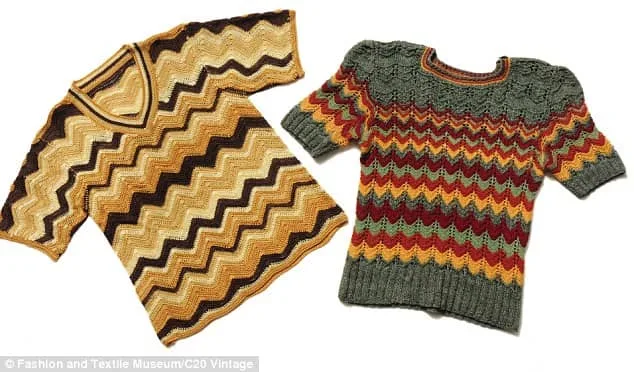
By the 1920s, sweaters were becoming increasingly established in everyday fashion. Designers like Coco Chanel helped make knitted clothing fashionable again, building on something women had already been doing decades earlier.
Look at what’s on your needles. After all those changes, there’s still plenty we’d recognize in the sweaters of a hundred years ago.
Conclusion
It’s easy to assume that, because knitting has been around so long, it has always looked the way it does now.
But what we wear changes with how we live. Sometimes that means going to war. Sometimes it means getting on a bicycle.
The crazy thing is this whole thing came from a four minute discussion inside of an hour-long conversation.
The full interview dives into more knitting history, as well as what it took to coordinate more than 100 period accurate garments.
It’s waiting for you in the Yarnist Vault. Become a Yarnist Insider for $52 a year or $6 a month, and you can watch it today, along with everything else already in the archive.
Become a Yarnist Insider and watch the full interview
Did you know the bicycle played a part in the history of sweaters?
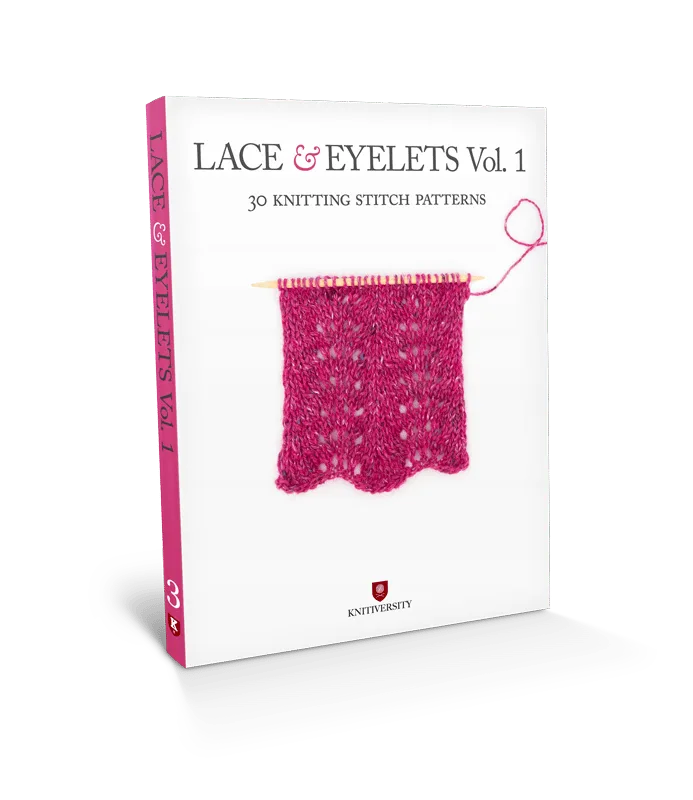
When you become a Yarnist Insider we’re including our 3 knitting stitch dictionaries. These include almost 100 stitch patterns with front and back photos, charts, and video tutorials.
PLUS you’ll unlock all kinds of bonus content in our daily newsletter and more.