

Not yet published: imported
7 Books to boost your knitting knowledge
But I didn't grow up knowing much about how Mexican food was made.
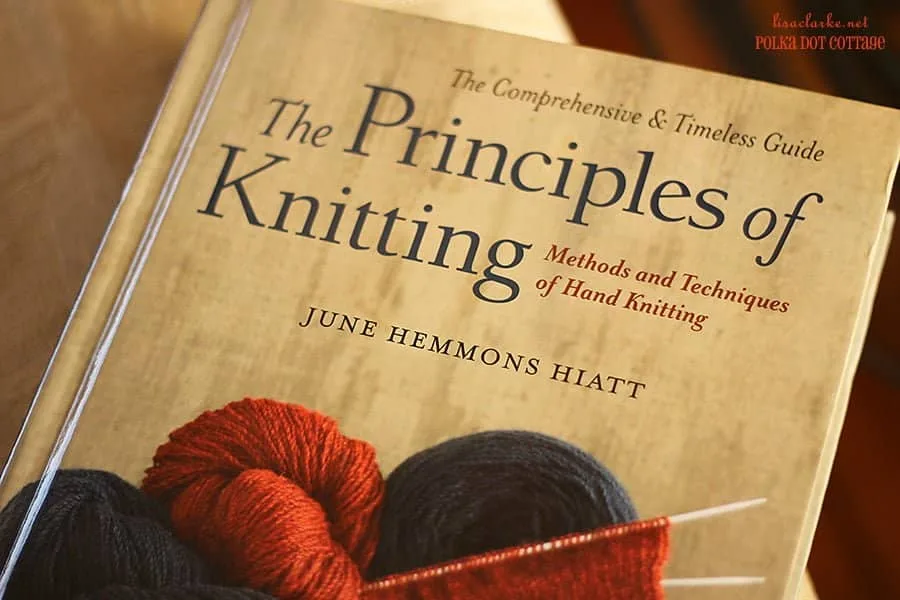
I love to cook.
Especially Mexican food.
But I didn’t grow up knowing much about how Mexican food was made. Although my mom is mostly Mexican, she never cooked anything totally from scratch.
It wasn’t until I left Los Angeles (and all the delicious Mexican food) that I became obsessed with making it.
Now I make carnitas and barbacoa and tacos ALL THE TIME!
So what does this have to do with knitting?
Well, there are plenty of great recipes online and cooking tutorials on YouTube.
The thing is, when I wanted to learn how to make better tortillas, I bought a BOOK on making tortillas.
Did I watch videos? Yes.
However, the book has given me a quick reference I can pull out, have open in the kitchen, and learn a whole lot of stuff in one place.
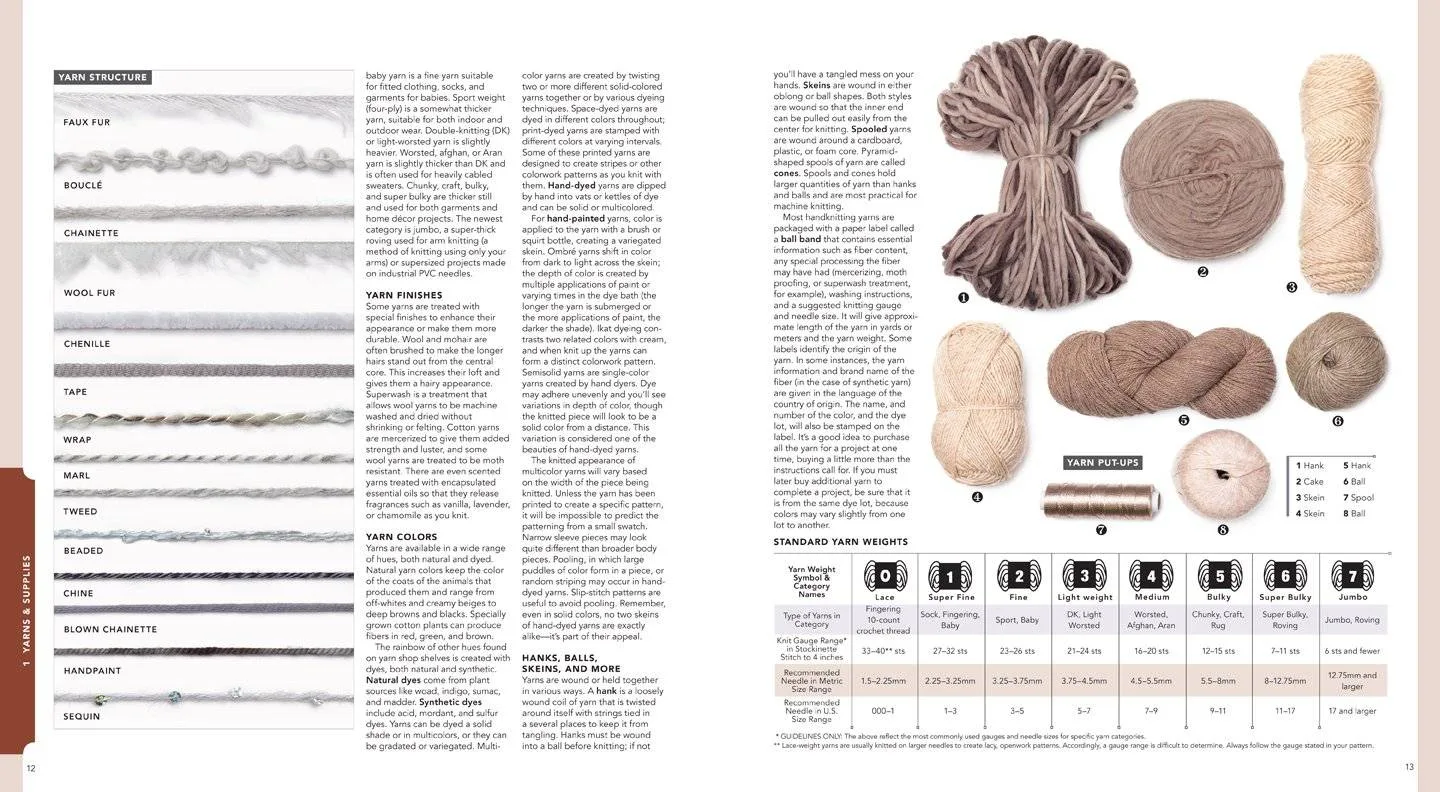
Why books STILL matter
When I taught myself to knit, the kit I purchased has a little learn to knit book.
It was terrible.
At least for the complete beginner.
I immediately went to YouTube and found some videos to help get me started.
Books are not great for explaining how to move knitting needles in 3D.
That why I started making video tutorials.
But books still have their place.
I have more than a dozen stitch dictionaries for design inspiration.
I have a book that’s literally just sweater math calculations. And I have one on hat formulas.
I go back to these books again and again to solve problems.
Sure I could find a lot of the answers online, but it’s so nice to open a book, go to the index, and find what I need.
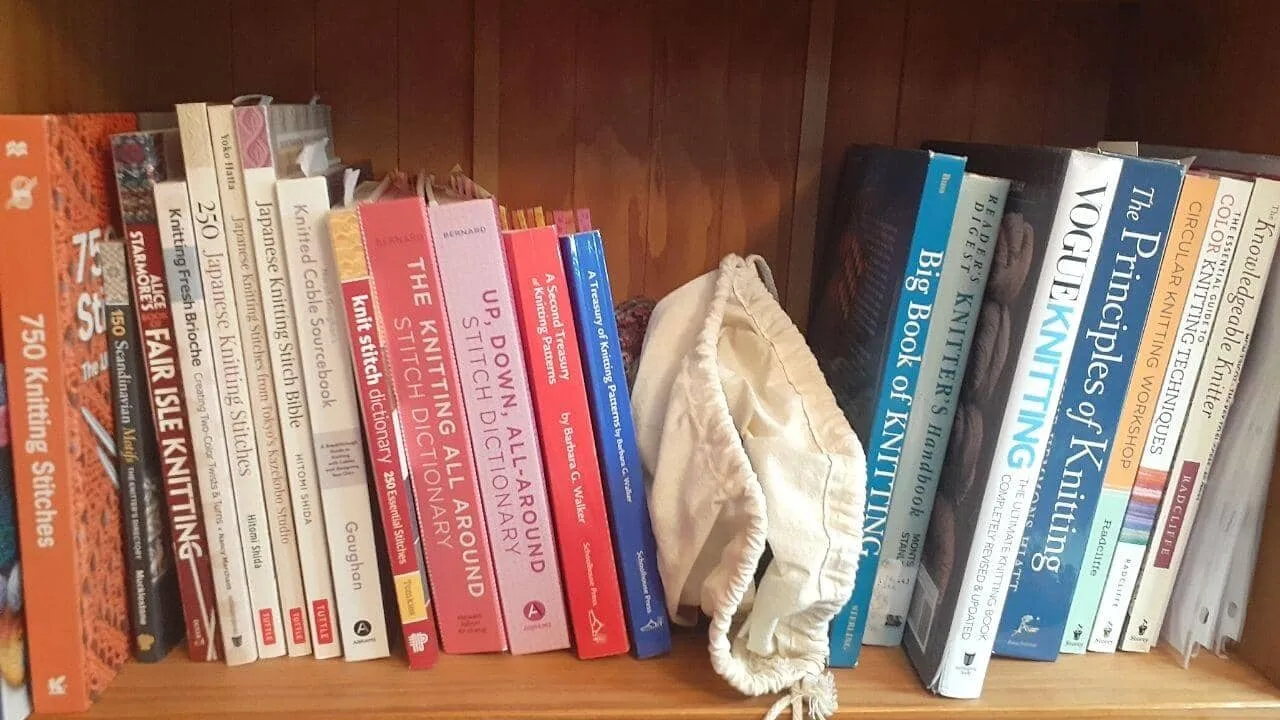
Building a Reference Library
We’ve talked about our favorite stitch dictionaries in the past, and while I think having a couple on hand is useful, they aren’t the MOST useful knitting books.
Pattern books are also great, but you should buy books for things you actually knit. There’s no point in me recommending a book on knitting shawls if you hate doing lace.
No, a knitters reference library should have books that provide useful information throughout multiple types of knitting.
These books should help define a wide variety of techniques and terms, provide useful lists project and yarn types, and give tips and tricks to boost your skills.
Conclusion
I hope these books have offered some inspiration.
But what do you think?
What’s your favorite knitting reference book?