

Not yet published: imported
7 Books To Better Understand Your Yarn
A while back I received an email from one of our readers that went a little something like
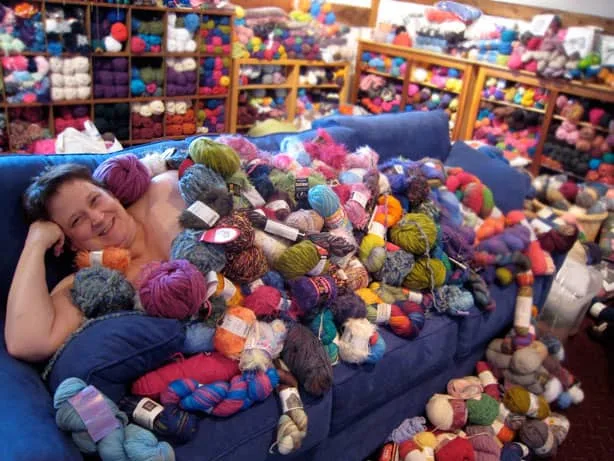
A while back I received an email from one of our readers that went a little something like this:
Now, I think better understanding yarn is one of the most important things a knitter can learn. It’s right up there with learning to read your knitting.
However, it’s a REALLY big topic because just within wool alone there are dozens of sheep breeds used for hand knitting.
Each has characteristics that make it unique and suited to particular types of knitting.
Then there’s synthetic yarn, plant based yarns, and fiber blends.
You have spinning methods and different plies and unique yarn constructions and dye techniques.
There’s A TON to talk about.
In fact I have a list of topics just about yarn that will take me almost two years to get through.
So if you don’t want to wait that long I’ve complied a list of books that will give you a big head start.
If you want to became a yarn expert, these books will get you most of the way there.
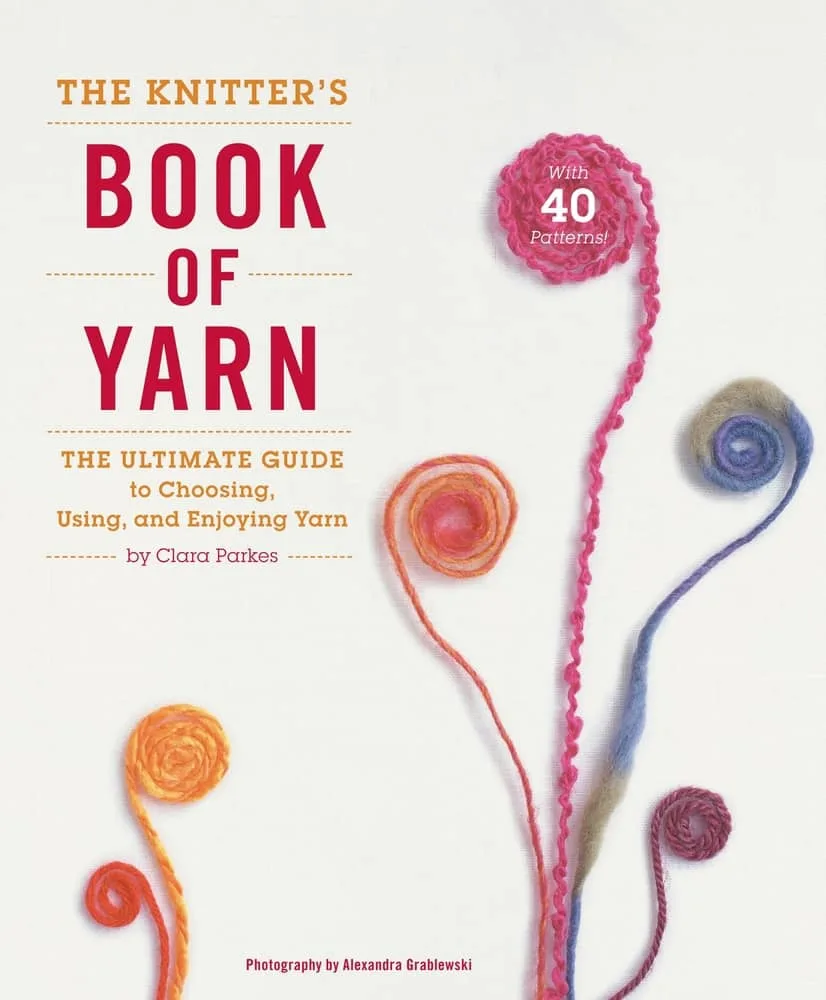
The Knitters Book of Yarn by Clara Parkes
For years Clara Parkes blog Knitter’s Review was THE PLACE to go if you wanted to learn about the latest yarns. So it’s fitting that the yarn queen complied her years of yarn expertise into the definitive guide for knitters. It covers everything from fiber types to yarn construction, and even includes A BUNCH of patterns to highlight the strengths of different yarns.
If you buy one book from this list this the one to get.
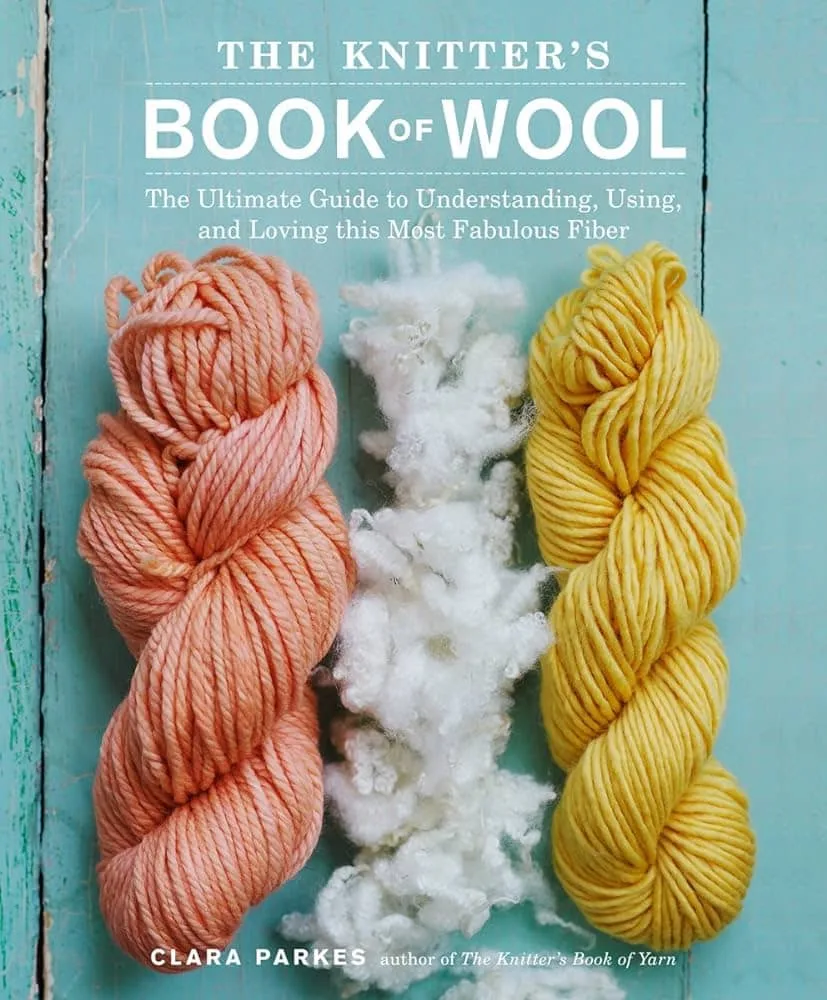
The Knitter’s Book of Wool by Clara Parkes
Ok remember a few paragraphs ago when I said wool is its own world to explore. Well in this follow up to her first book, Clara dives deep into what makes wool so unique. She goes into detail about how wool is turned into yarn, different breeds from around the world, and even what projects are best to make from specific types of wool.
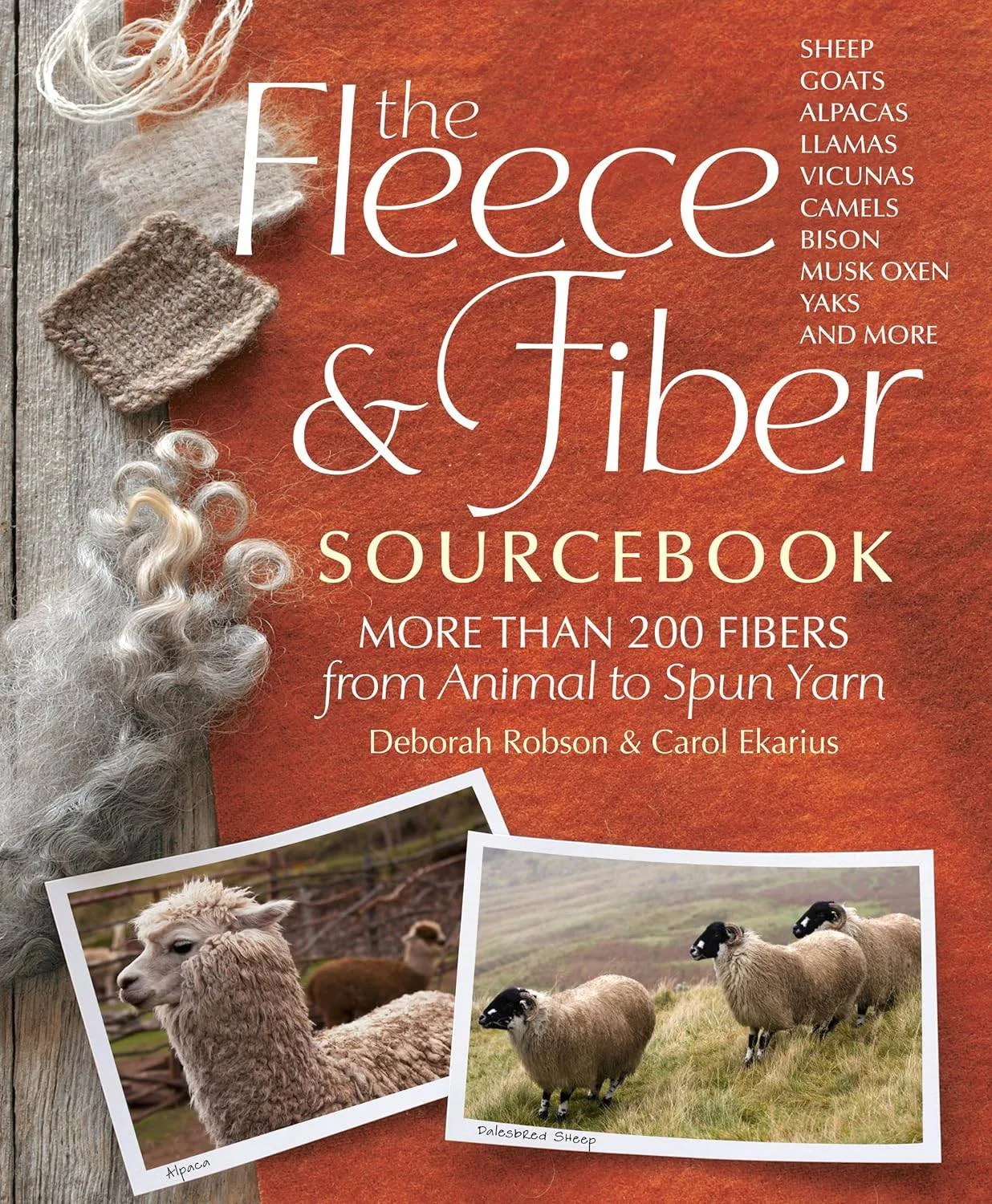
The Fleece and Fiber Sourcebook by Deborah Robson and Carol Ekarius
This book completely changed my understanding of how yarn worked. I had no idea there were thousands of sheep breeds, and that only a fraction of those had wool worth knitting with. But this book covers many more animal fibers than just sheep. It’s a little bit geared toward hand spinning, but don’t let that deter you. This book is a virtual encyclopedia of yarn fibers that’s definitely a worthwhile investment.
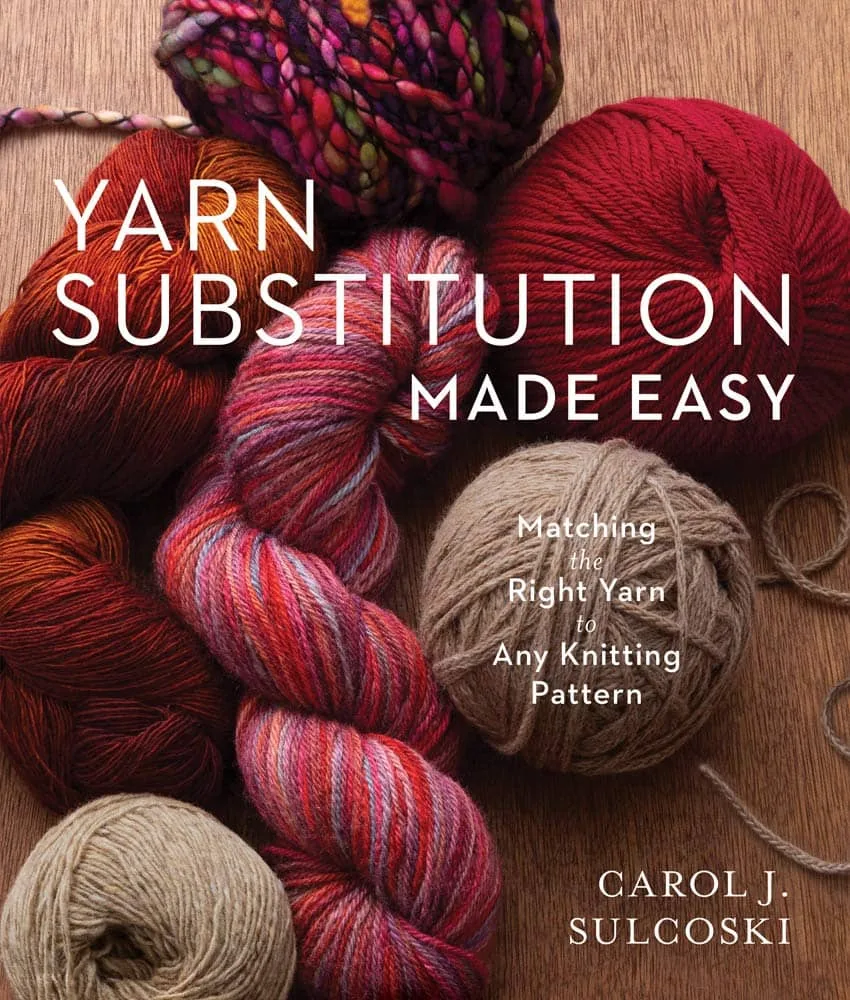
Yarn Substitution Made Easy by Carol J. Sulcoski
Understanding yarn is one thing, but understanding how to swap out one yarn for another is an entirely different skill. This is something that I often see knitters struggle with, and this book will have you subbing in yarn like an expert. If you’ve ever wanted to knit with a different yarn than a pattern suggested, this is the book for you.
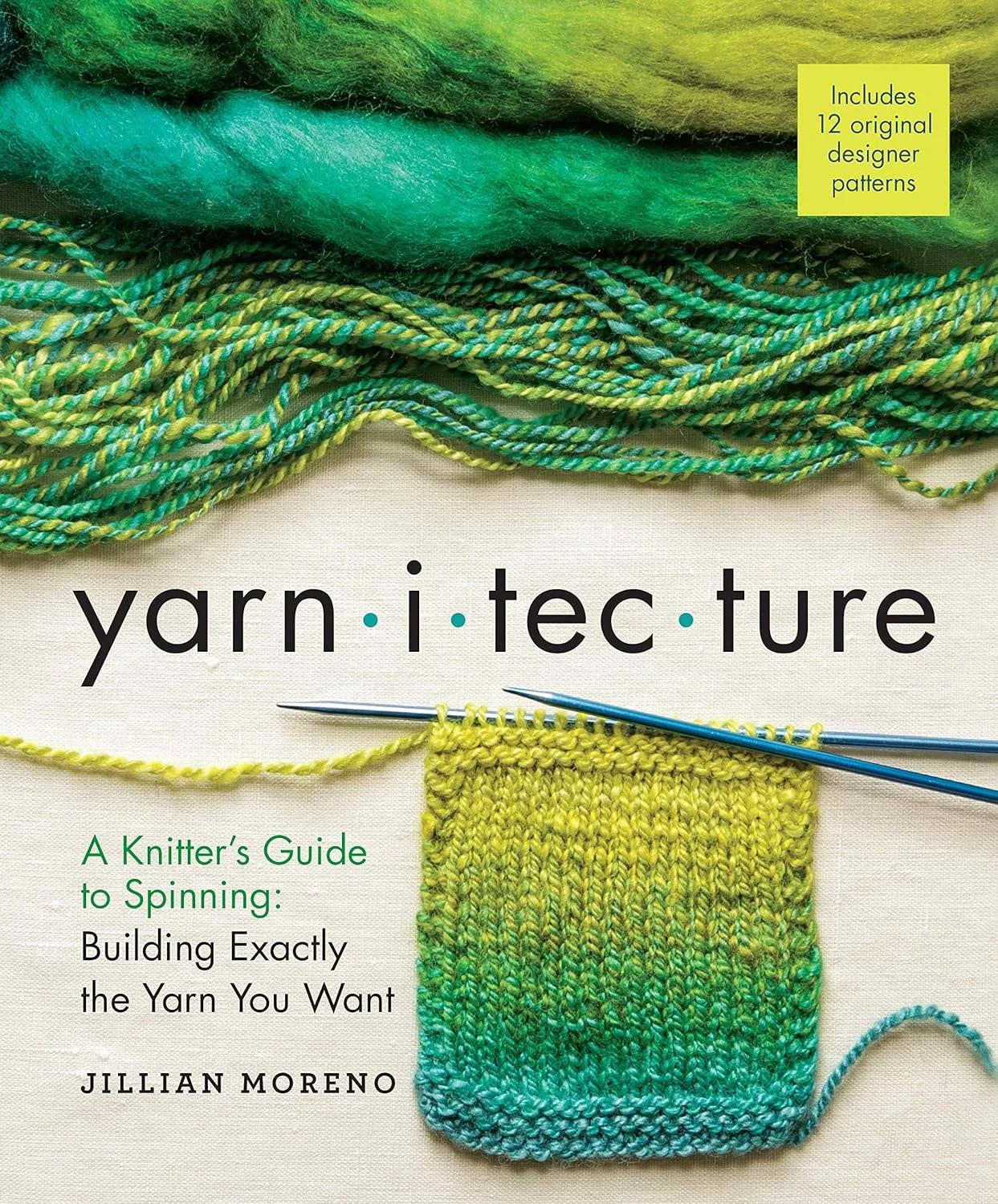
Yarnitecture by Jillian Moreno
I have no interest in spinning my own yarn. I have tried and failed and I know when something is not for me. HOWEVER, I do think understanding how spinning works is useful for all knitters. Jillian is the perfect person to learn from, as the editor of KnittySpin she has plenty of experience with turning fleeces into beautiful yarn. And I think even if you don’t spin you’ll still learn something valuable from this book.
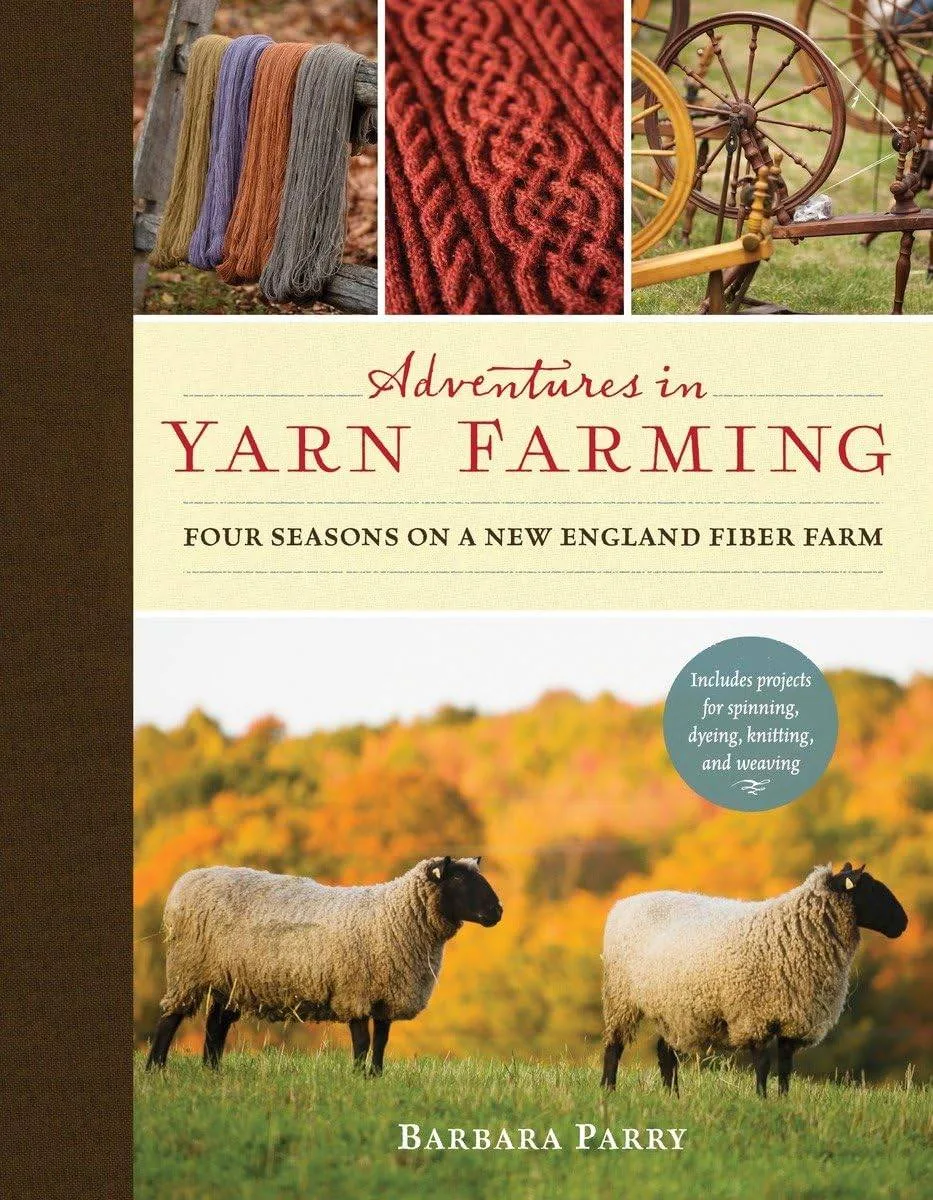
Adventures in Yarn Farming by Barbara Parry
Ever dream about raising your own sheep and living that locavore life on a rural farm? Me neither. I’m a city boy at heart, but I can appreciate the desire to live off the land, and the satisfaction of producing your own artisanal yarn. This book documents a year in the life of a family doing just that, and what it takes to turn that beautiful fleece into a lovely hand knit item.
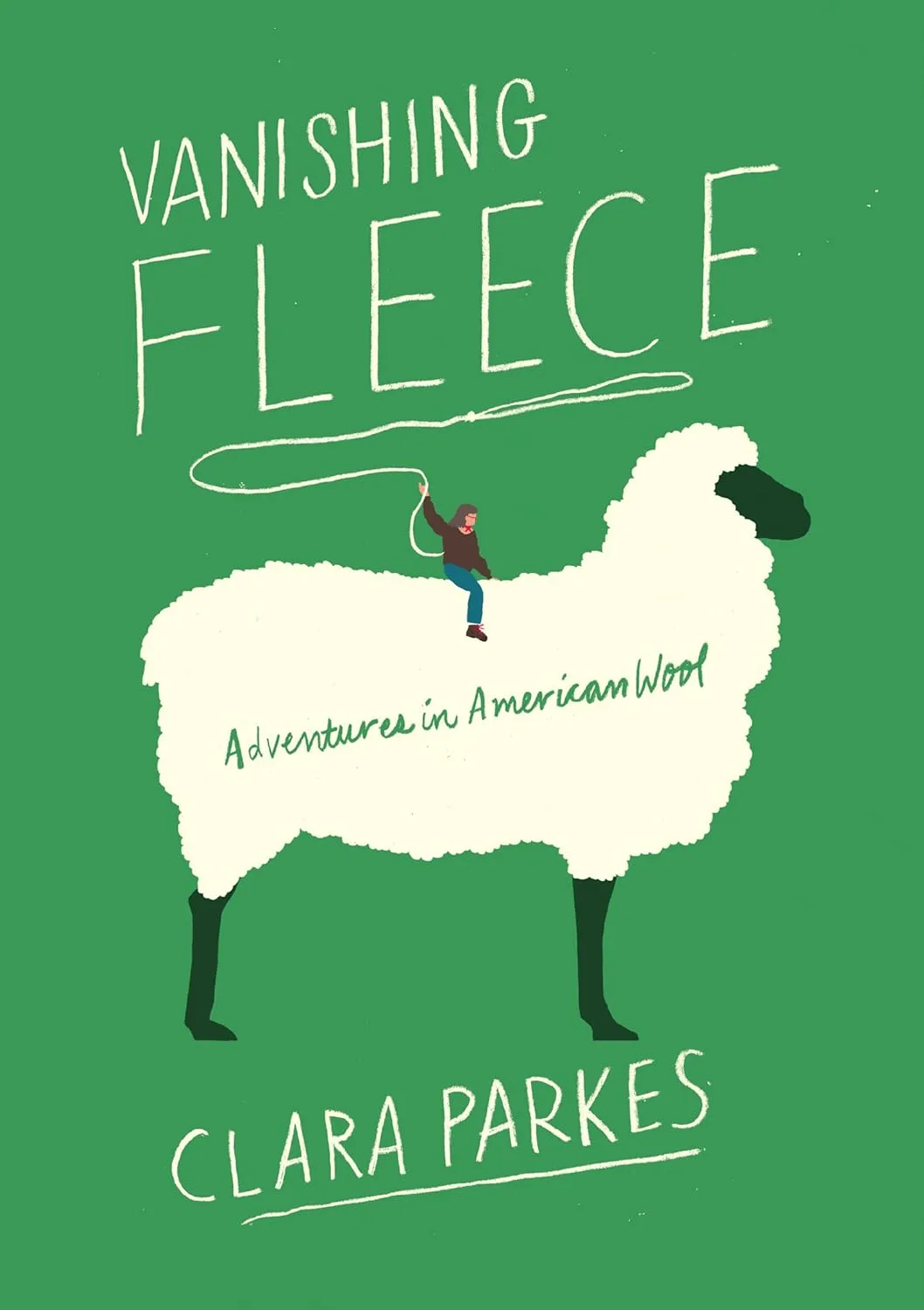
Vanishing Fleece by Clara Parkes
I told you Clara Parkes was the yarn queen. Back in 2013 she and about 750 other knitters purchased a 676-pound bale of wool and embarked on a journey to turn it into yarn. This book chronicles her exploits, working with farmers and mills and dye houses across America. Along the way she documents the struggling fiber industry and the interesting people who are keeping it alive.
If you love reading non-fiction and want a different perspective on yarn, this book is a great read.
Conclusion
So there you have it!
If you’re not a yarn expert after reading all of these books, then I don’t know what to tell you.
But what do you think?
What resources have you used to learn more about yarn?