Not yet published: imported
Patterns ·
5 Wonderful Winter Scarf Knitting Patterns
Like many knitters, my first project was a sampler scarf made from different stitch patterns.
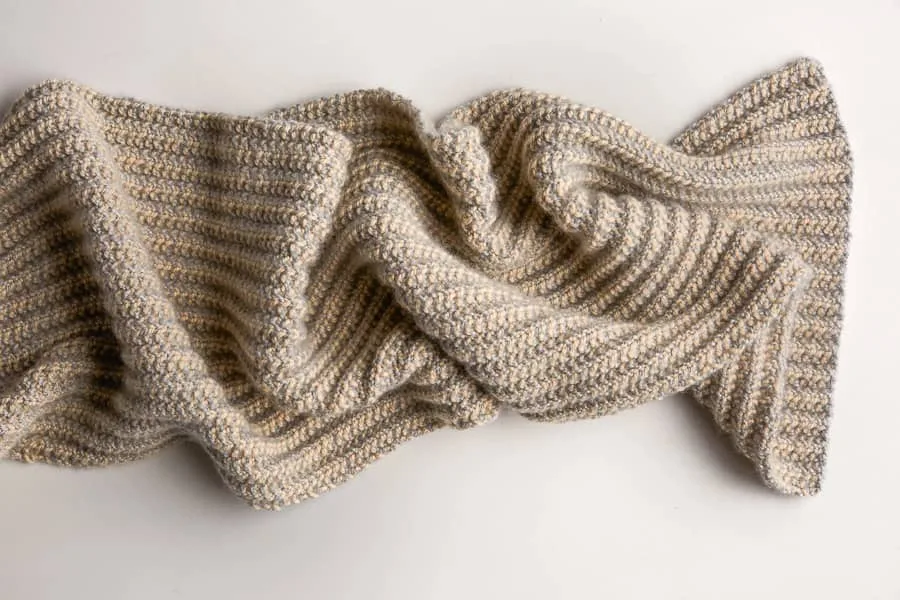
Like many knitters, my first project was a sampler scarf made from different stitch patterns.
It wasn’t pretty, but I used it to discover and practice new techniques.
And it was Bruce Weinstein’s Horizontal Herringbone scarf that led to me making my first video tutorial.
But, I have a confession.
I hate knitting scarves.
They are…to put it mildly…
…mindnumbingly boring.
At least for me.
That being said I think scarves play an important part in the development of a knitter.
I just don’t think they should be your first project…
A brief history of knitted scarves
There are references to scarves reaching back to the times of the ancient Egyptians. While there is evidence of knitted items from that period, they were most likely made from woven cotton.
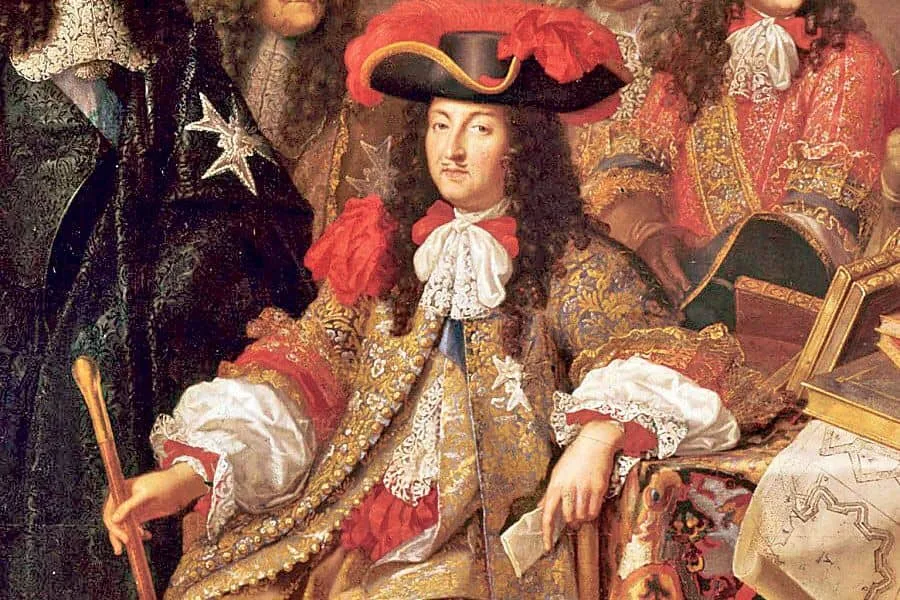
Our modern conception of a scarf as something you wear around the neck most likely dates back to the mid 1600s. At the time Croatian soldiers wore small knitted neck ties which became known as the cravat (from the French word cravate, meaning “Croat”).
It was the French who adopted the scarf as a fashion statement, used to express political affiliations during their revolution. Napoleon is said to have bought more than 400 Egyptian scarves for his wife,
But it was Queen Victoria who made the scarf a fashion staple, when she wore a silk scarf to her coronation. On a side note, it’s surprising how much of American culture can be traced back to the Victorian era.
With the coming of WW1, knitting scarves for the troops became a point of civic pride in both America and Great Britain. This carried on through WW2 along with socks, hats, gloves, and other knitted items.
After the war “space age” synthetic materials made it easy to mass produce scarves cheaply. But the scarf has remained a fashion staple to this day, especially for hand knitters.
Why knit scarves?
As I mentioned, I’m not a huge fan of knitting scarves.
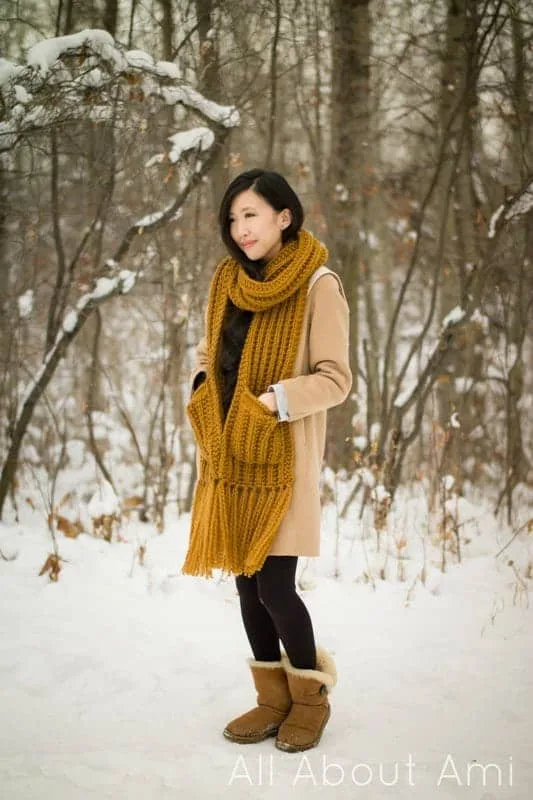
And while they are useful for keeping folks warm around the neck (and even torso) I think they have another use for knitters.
Muscle memory
We’ve talked a lot about different ways to knit, from continental to lever knitting, to Portuguese and combined.
But if you want to train your hands and fingers on a new movement, there’s nothing like the repetitiveness of a scarf.
Knitting up three skeins of yarn using the same few stitches will help you reach that “ah ha” moment faster than anything I know.
So if you want to switch to continental from English knitting, a scarf is the way to go.