

Not yet published: imported
4 Types of Advanced Knitting Stitches
Most of knitting is fairly simple; knit, purl, yarn over, slip stitch, increases, decreases, and cables make up the majority of the stitch patterns you'll encounter.
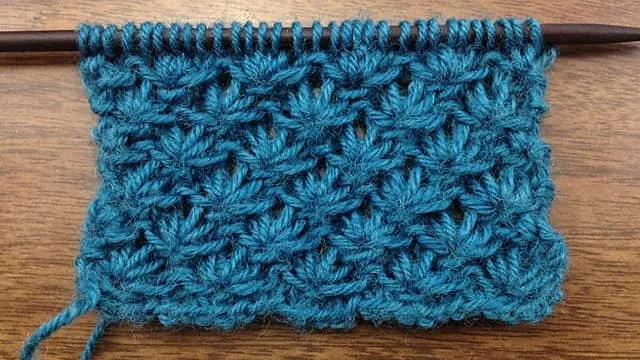
Most of knitting is fairly simple; knit, purl, yarn over, slip stitch, increases, decreases, and cables make up the majority of the stitch patterns you’ll encounter.
These stitches primarily rely on one main action.
In lace that’s making a hole in the fabric. With cables you’re swapping the place of certain stitches.
And while there are complicated lace and cable stitch patterns, they mostly increase the number of holes or cables done in sequence.
But what about stitches that require you to do multiple actions in the same stitch?
These are what we consider ADVANCED knitting stitches, and we place them in four categories:
Wraps, clusters, gathers, and threading.
Let’s take a look at some examples of each…
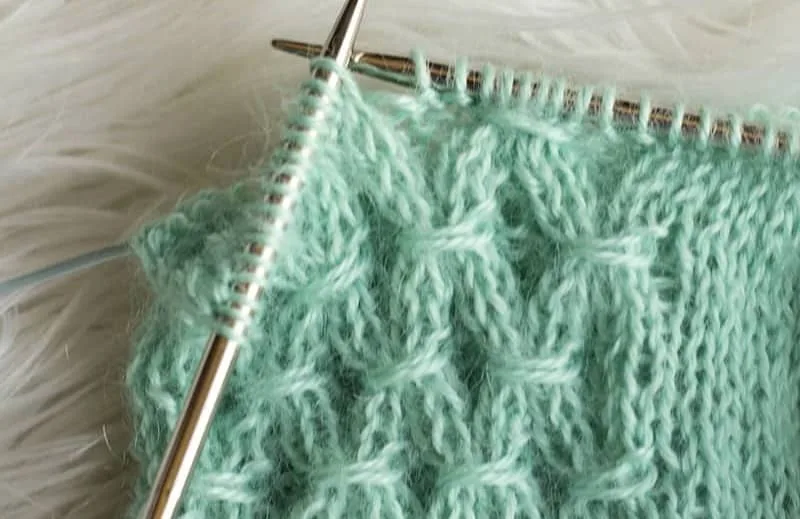
Wrapped Stitches
A wrapped stitch takes your working yarn and wraps it around a section of stitch horizontally.
This is most common in *smocking* type patterns, but you’ll also find it as a textural element used on stockinette.
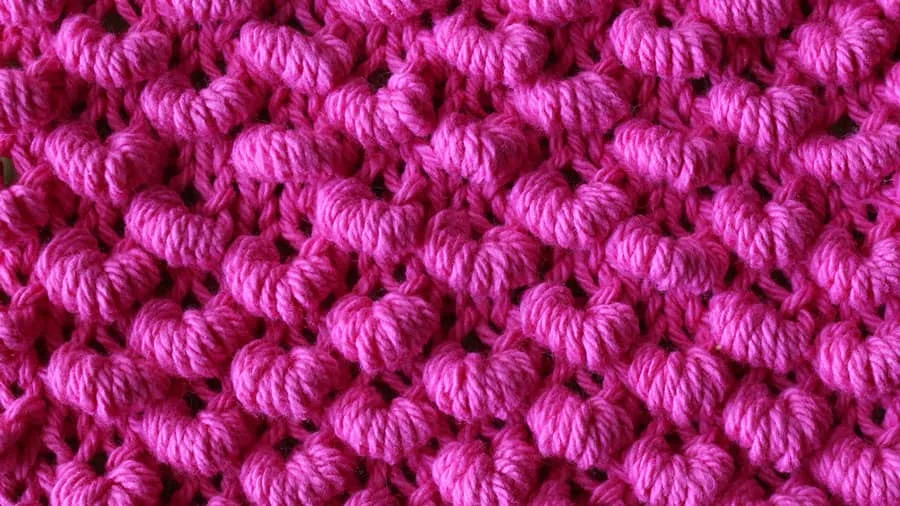
Clustered Stitches
By far the most common of the advanced stitches, there are all kinds of cluster stitches.
These stitches are characterized by creating bumps of various sizes within the knitted fabric.
This is usually achieved by increasing into the same stitch multiple times and then decreasing very quickly.
Stitches in this category are often called bobbles, puffs, and popcorn stitches.
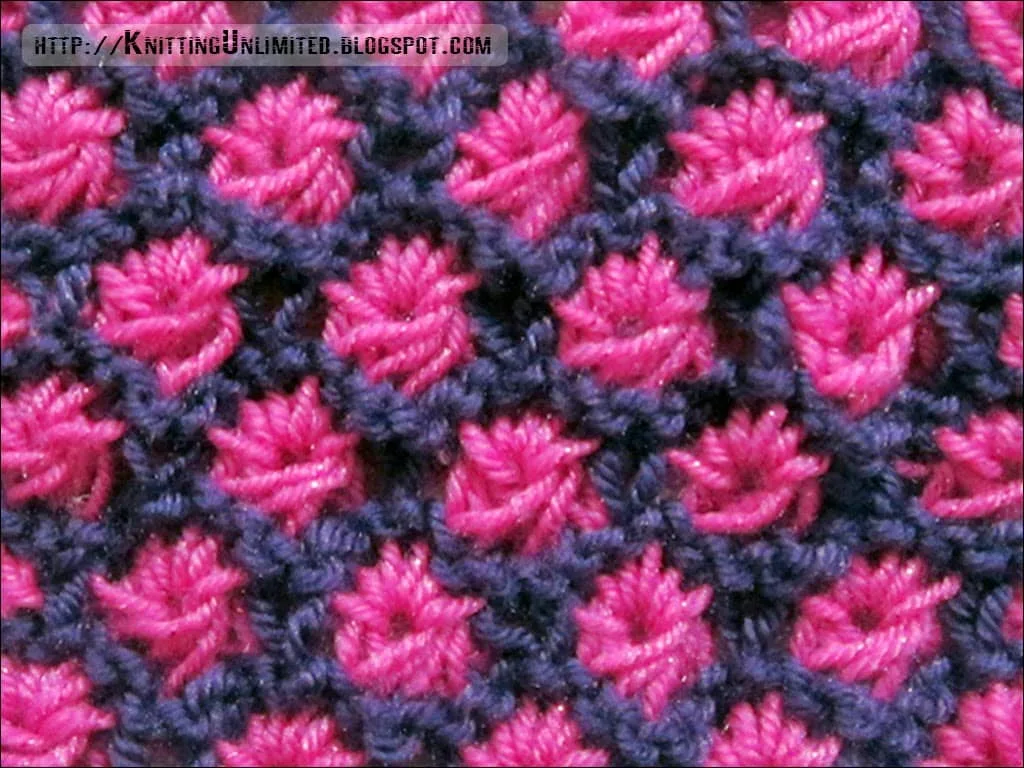
Gathered Stitches
These might be the most complicated of the bunch to create.
Gathered stitches consist of decreasing a bunch of stitches together and then increasing them again in the same stitch.
This makes the stitch VERY tight, so it can be difficult to manipulate.
BUT if you’re willing to do the work, the result is pretty stunning.
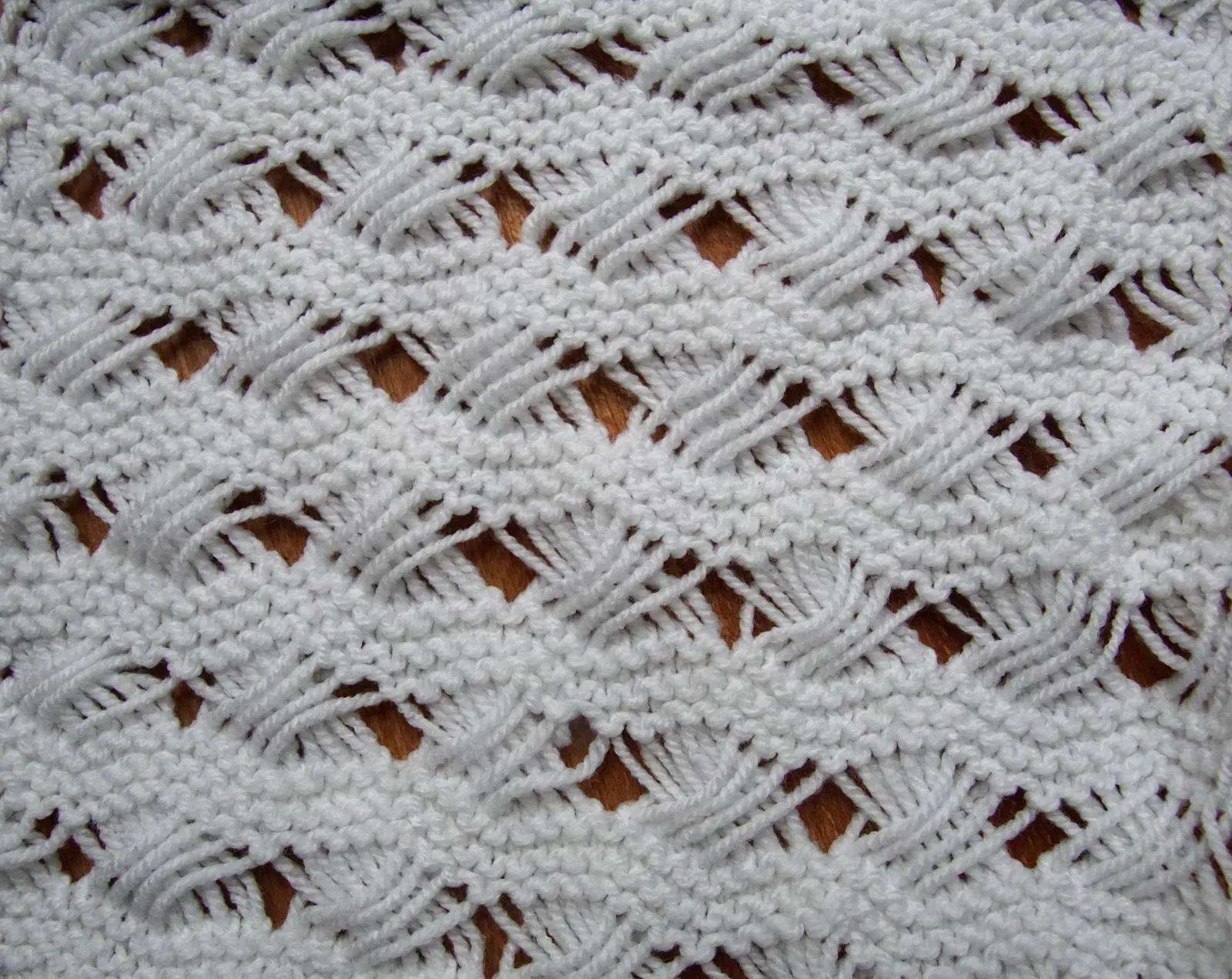
Threaded Stitches
These unusual stitches are a cousin of the cable. They’re also EXTREMELY uncommon. We only found a few examples of this technique being used.
Threaded stitches use a combination of elongated drop stitches and cabling.
The difference is instead of placing one set of stitches on top of another they are threaded through the middle of the stitch set.
This results in a beautiful mind bending effect that looks a bit like weaving.
Conclusion
These stitches might look hard, but at the end of the day it’s all knits and purls.
But what do you think?
What’s the most advanced stitch you’ve knit?
We’d love to hear your feedback. 😊
{% if subscriber.tags contains “skkw-625-aap-✋🏼” %}