

Not yet published: imported
3 Essential Books Every Aspiring Sweater Knitter Should Own
Most sweater knitting books are just pattern collections.
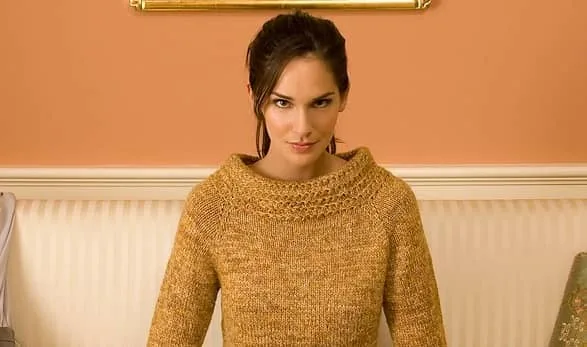
Most sweater knitting books are just pattern collections.
You follow the instructions, you get a sweater, but you never actually understand why you’re doing what you’re doing.
The books I’m recommending today are different: each one teaches you fundamental principles that make you a more confident, capable sweater knitter.
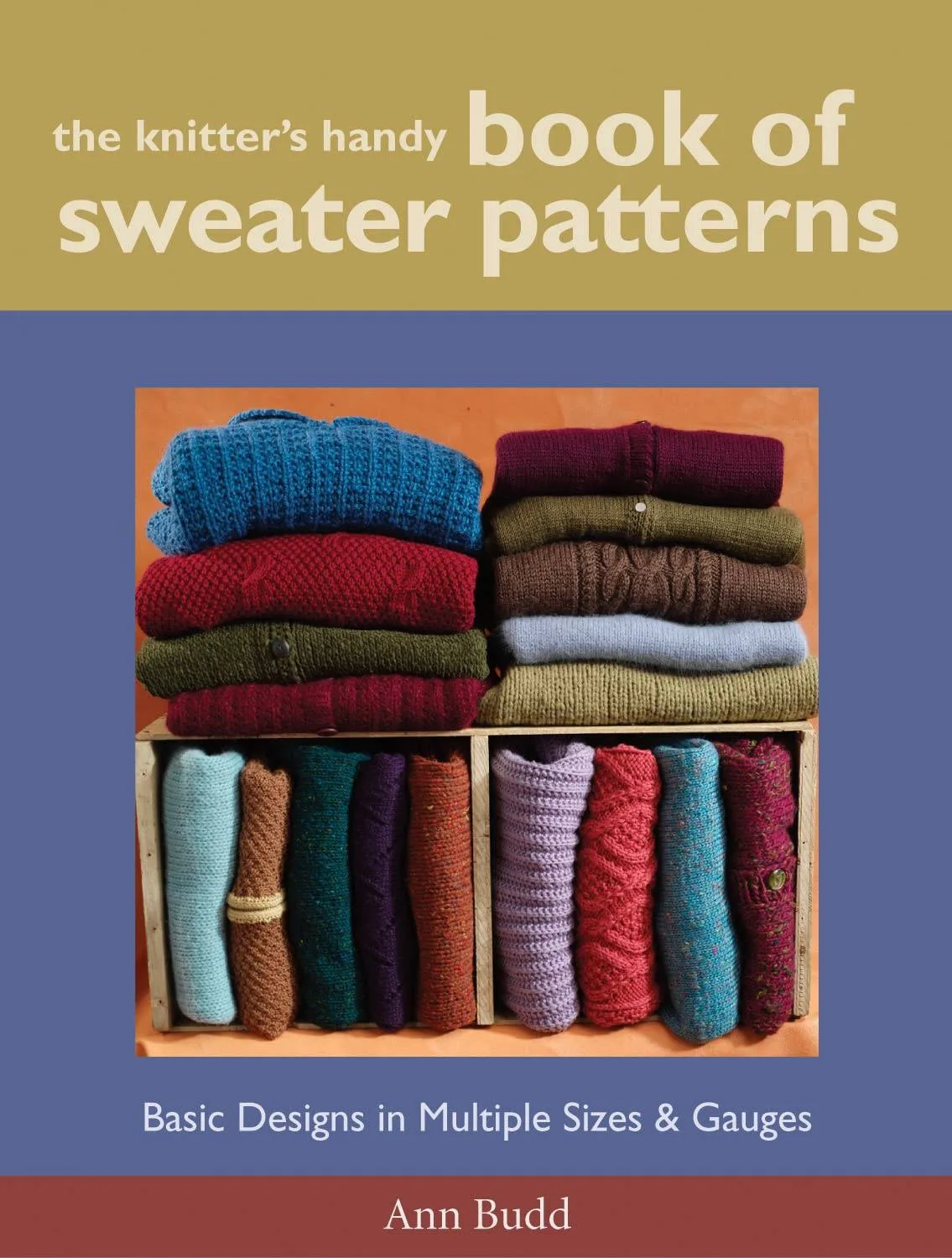
THE KNITTER’S HANDY BOOK OF SWEATER PATTERNS by Ann Budd
Why it’s useful: This is a formula book covering five different sweater construction methods (drop shoulder, set-in sleeve, raglan, saddle shoulder, and yoke) at multiple gauges and sizes. Budd gives you the mathematical framework to build any basic sweater shape. You’re learning structure, not just following patterns.
Best for: Knitters who want to design their own sweaters or confidently modify existing patterns, and who are comfortable with basic calculations.
The catch: It’s deliberately plain. No colorwork, no fancy stitch patterns, no style inspiration. This is a reference manual for understanding sweater architecture, not a book you browse for pretty pictures.
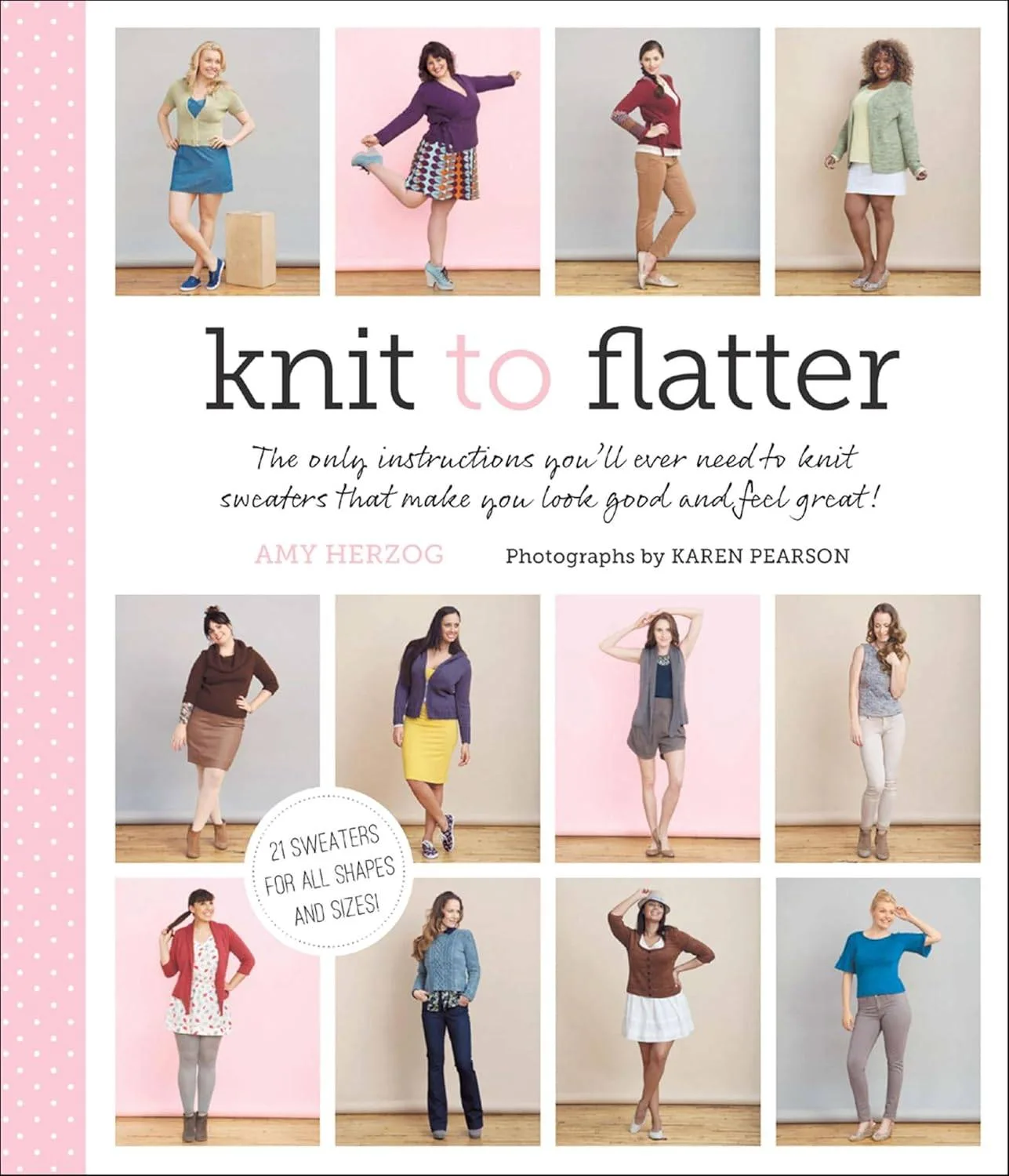
Why it’s useful: Herzog teaches you to think about sweater design from a fit and flattering perspective, explaining how different necklines, sleeve styles, and silhouettes affect how a sweater looks and feels on your body. This is about making intelligent design choices based on what actually works for you.
Best for: Knitters who want sweaters they’ll actually wear and who are ready to move beyond “I’ll just knit whatever pattern looks cute” to “I’ll choose patterns that will look good on me.”
The catch: The patterns included are intentionally simple showcase pieces. If you’re looking for exciting stitch patterns or colorwork, you won’t find them here. This is about fit and structure, not decorative techniques.
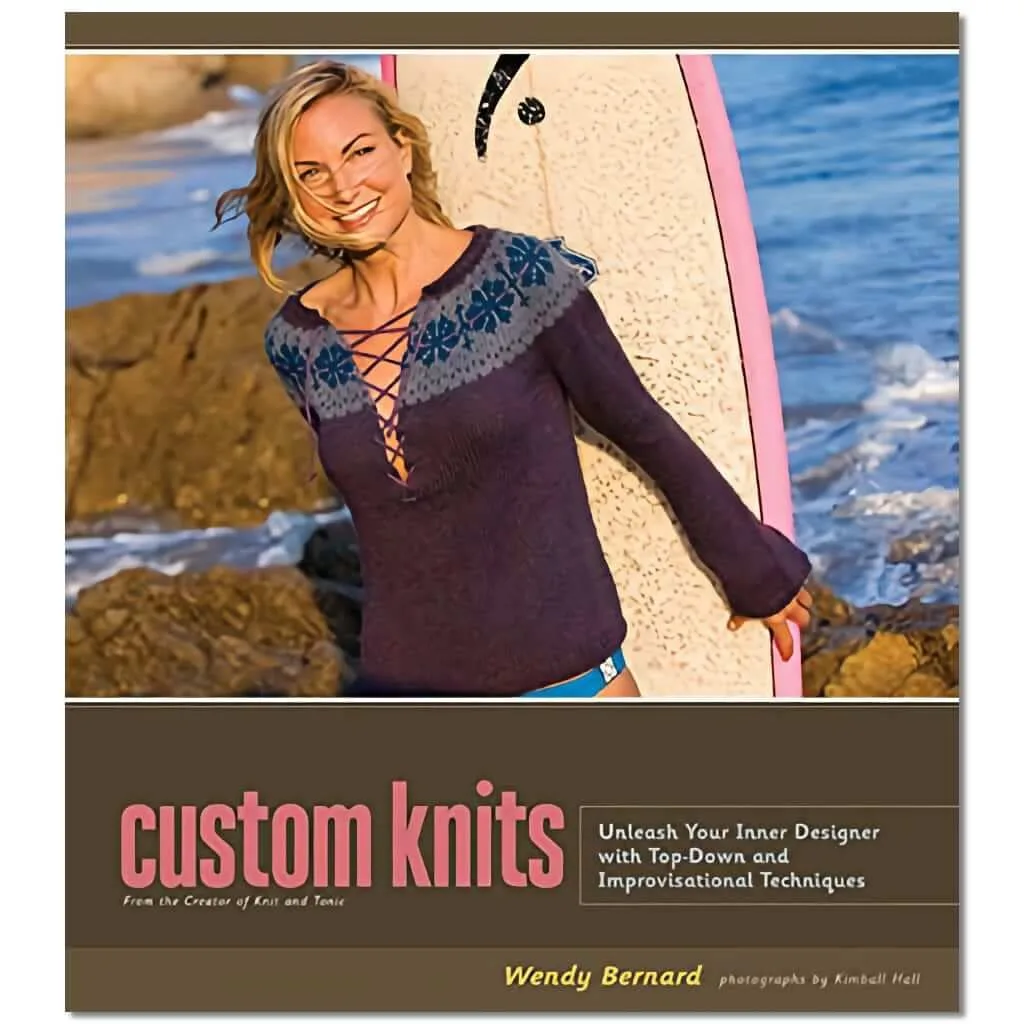
Why it’s useful: Bernard gives you basic sweater formulas and then shows you how to customize them with different stitch patterns, necklines, and details. It’s the middle ground between following patterns exactly and designing from scratch. You learn to make thoughtful modifications that actually work.
Best for: Knitters who are comfortable with basic sweater construction and want to start personalizing patterns with stitch patterns and design elements, without needing to do all the math from scratch.
The catch: You need to already understand basic sweater construction. This isn’t teaching you the fundamentals, it’s teaching you how to play with them. If you’re still figuring out how sweaters work, start elsewhere.
Note: This book is out of print, so you’ll need to hunt for a used copy (or check out Custom Knits 2, which is available on Kindle).
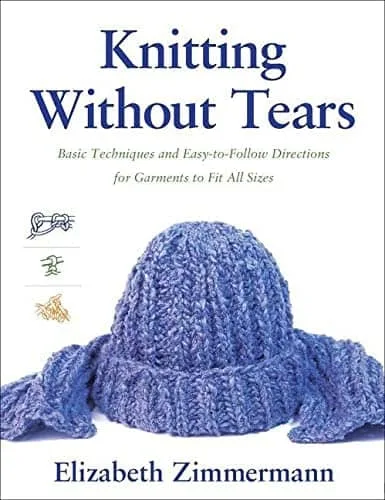
BONUS PICK: KNITTING WITHOUT TEARS by Elizabeth Zimmermann
This classic teaches sweater construction principles with a conversational, empowering voice that encourages experimentation and trusting your own judgment.
Zimmermann doesn’t just give you formulas. She teaches you to think like a knitter who understands why things work, so you can figure out solutions yourself.
The writing style is very conversational and opinionated (some knitters love it, others find it meandering), and some techniques are dated, but the principles are timeless and her voice makes you feel capable of tackling anything.
Have you read any of these books?
Which essential sweater knitting books did I miss?
I’d love to know what’s on your shelf.