

Not yet published: imported
Yarn ·
Your brain lies to you about cables (and other "hard" knitting techniques)
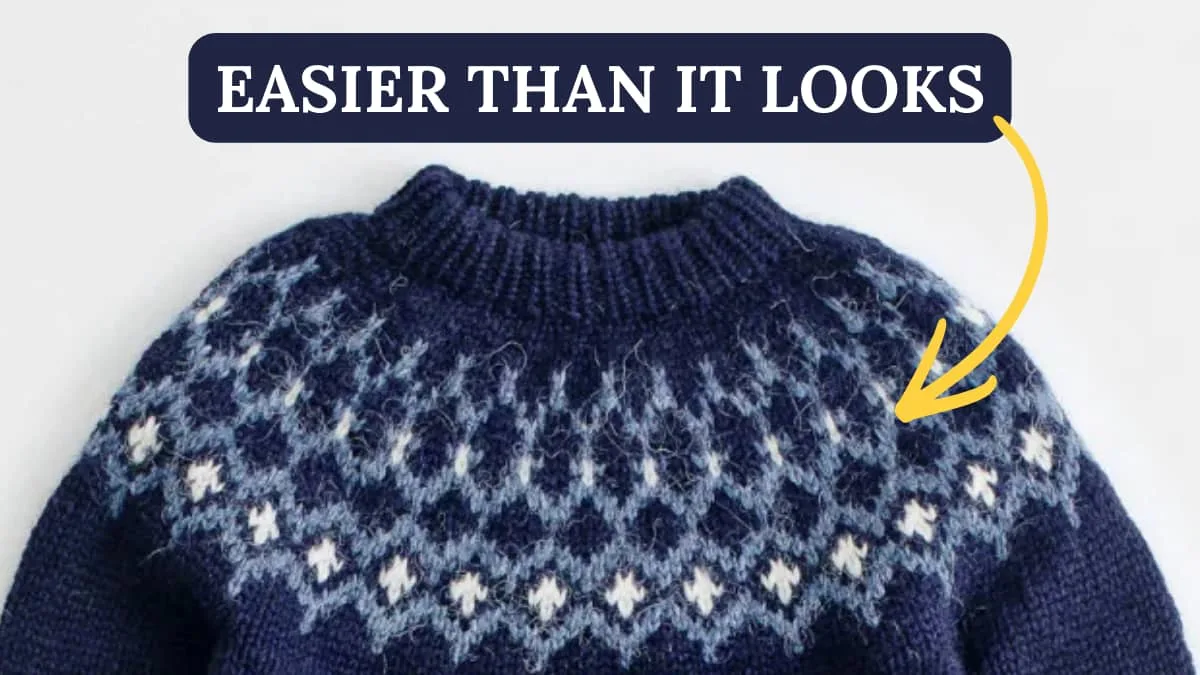
Have you ever been scrolling Pinterest when you discover a pattern you love?
Maybe it’s a cozy cabled sweater or a delicate lace shawl
And you get excited to knit it…
…until you see the technique list. 😰
3/3 Cable Right. Stranded Colorwork. Shadow Wrap Short rows. Estonian Lace. Nupps!
Your confidence drops. “That looks too hard for me.”
I want you to gently take that thought, fold it up neatly, and shove it in the back of the drawer.
Because your brain is lying to you.
Why your brain thinks knitting is hard
Your brain sees something it doesn’t understand and says: “That must be difficult.”
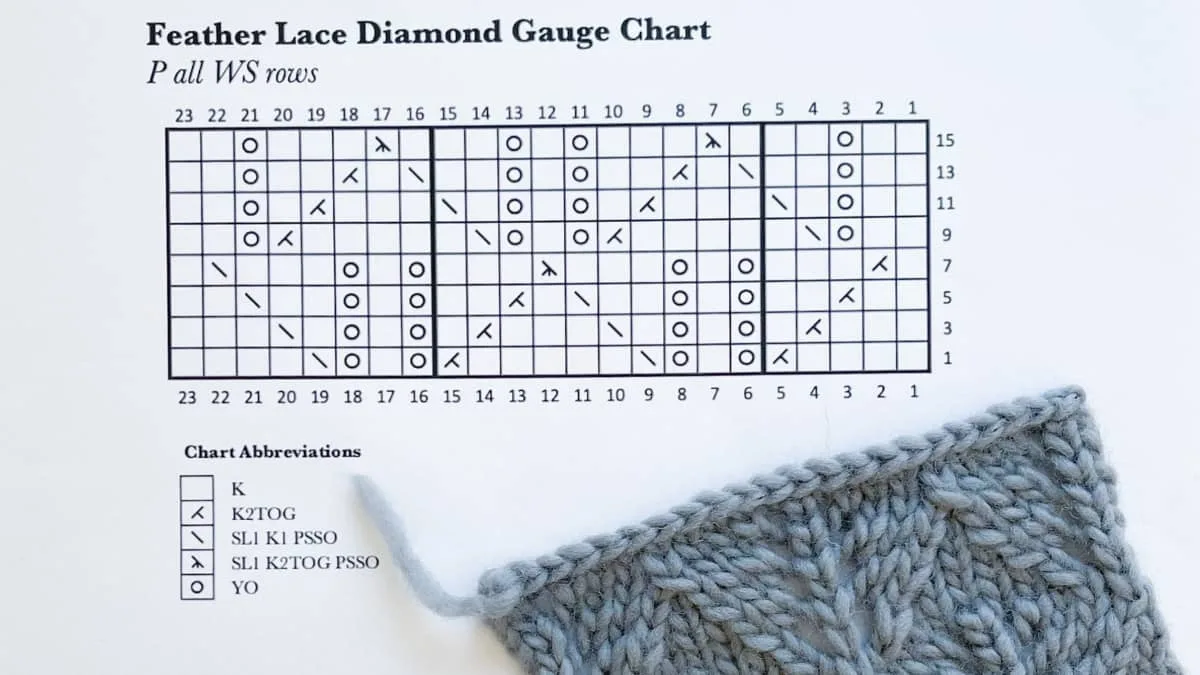
Knitting patterns don’t help. They’re written in code—charts, abbreviations, symbols, endless lines of instructions. If you can’t read it immediately, your brain assumes you can’t DO it.
But here’s what’s actually happening: you don’t know what you don’t know yet.
Unfortunately your brain often thinks “I don’t understand this” means “this is impossible.”
Complicated ≠ difficult
Here’s the thing most knitters don’t realize:
Complicated just means lots of parts. Difficult means you don’t know how yet.
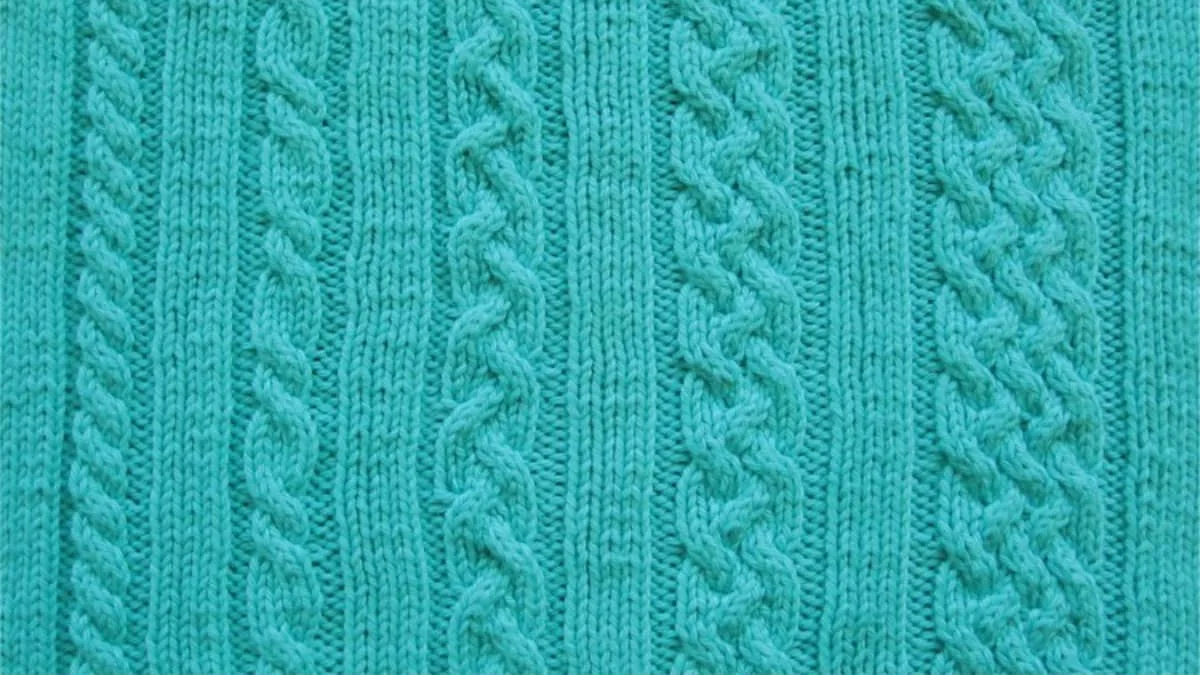
A cable sweater looks complicated because it has 47 different cable crosses. But each cross? The exact same simple move: swap some stitches.
Learn it once. Use it 47 times. Suddenly you have an “advanced” sweater.
The only time knitting gets actually hard is when a pattern asks you to learn 5 new things at once. That’s when your brain screams “nope” and the project ends up in a bag under your bed.
What “advanced” techniques actually are
Let me ruin the mystery for you:
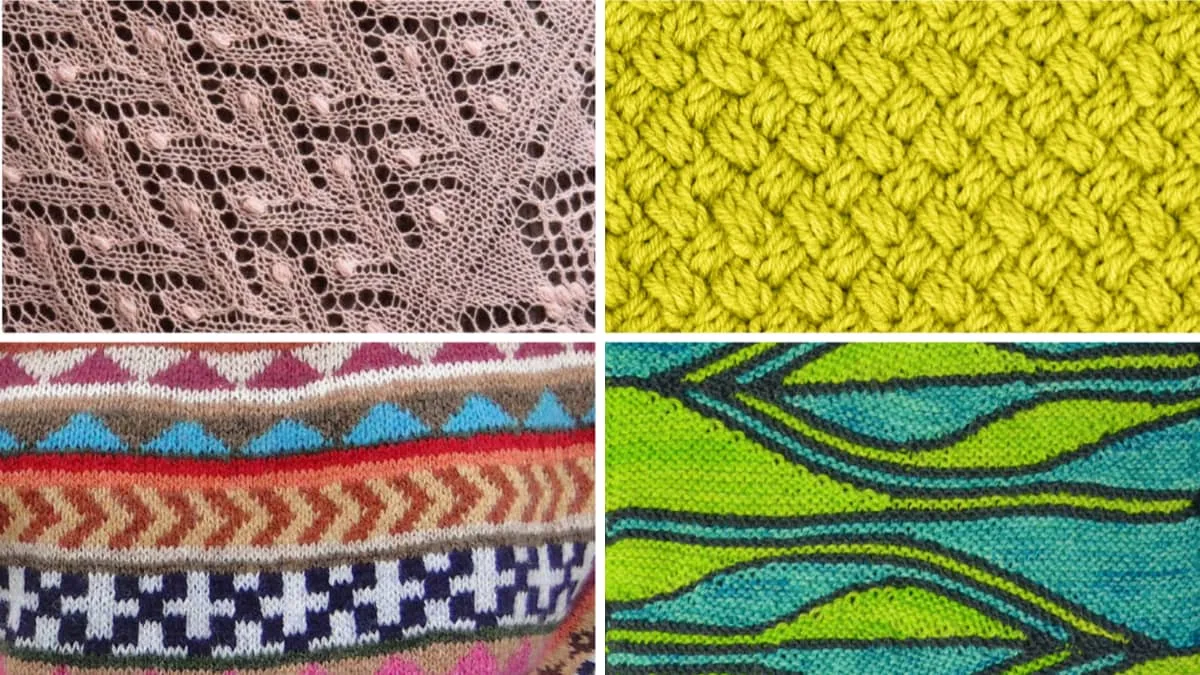
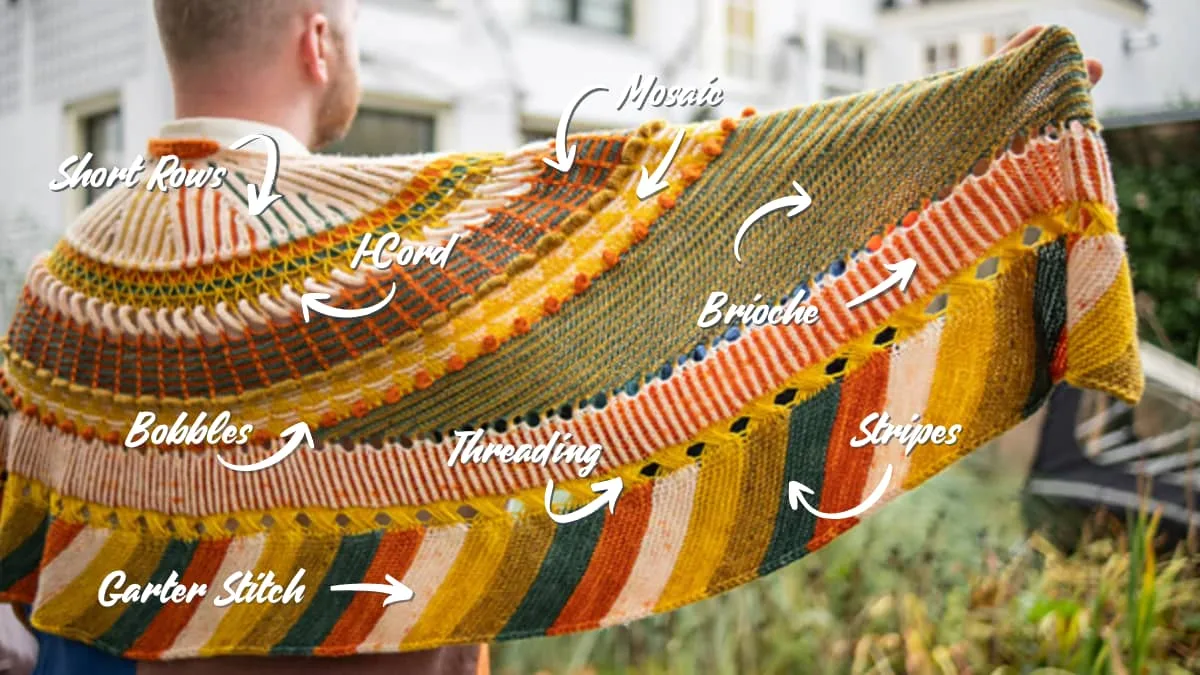
Estonian Lace? Making a hole on purpose (yarn over), then closing the space (decrease). That’s it. Put a bunch of holes in your knitting and you get lace patterns. The nupps make it Estonian.
3/3 Cable Right? Swapping the order of stitches. Take these 3 stitches, hold them behind your work, knit these 3 stitches, then knit the held ones. Boom. Cable.
Shadow Wrap Short rows? Stop before you finish the row, turn around, knit back. That’s the whole technique. You’re knitting a “short” row. The shadow wrap is how you hide the hole when you come back and finish the row.
Stranded Colorwork? Switching between two colors. You carry the other color behind creating a “strand”. And most stranded colorwork uses just two colors per row.
Nupps? Ok these are actually pretty tedious and annoying to knit. But they’re just tiny bobbles, where you knit into the same stitch a bunch of times.
That’s it. Those are your “advanced” techniques.
The secret to “fancy” knitting
Most of knitting is just knit and purl in different arrangements.
Sometimes you swap stitches. Sometimes you add or subtract stitches. Sometimes you change colors. Sometimes you skip a stitch on purpose.
The “secret” to knitting complicated projects? Stack tiny skills.
Learn one thing. Use it 47 times. Add one more thing. Repeat.
What looks like magic is just simple moves, stacked.
Final Thoughts
Our brain works hard to protect us, but sometimes it gets in the way of the things we want to achieve.
The good news is you don’t have to listen to it.
If you want to knit a project that feels too hard, just remember that it’s all knits and purls, and you already know how to do that. 😉
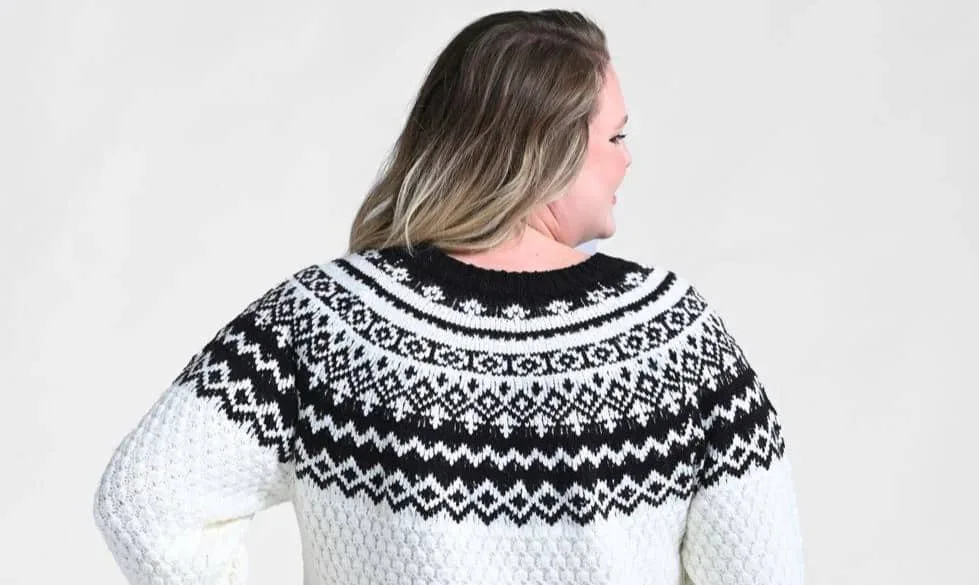
Want to actually knit a sweater in 2026?
Above was just one of the lies that keep knitters stuck. There are two more that I cover in my free class “Knit a Sweater You’ll Actually Wear in 2026.”
In it, I show you:
- The simple way to knit a sweater in 6-weeks instead of 6 months
- What skills you actually need to knit a sweater (that you probably already know)
- How to find one focused hour a day in your real life to keep momentum
- And the #1 Key to sweater knitting success (hint: it isn’t the pattern you pick)