

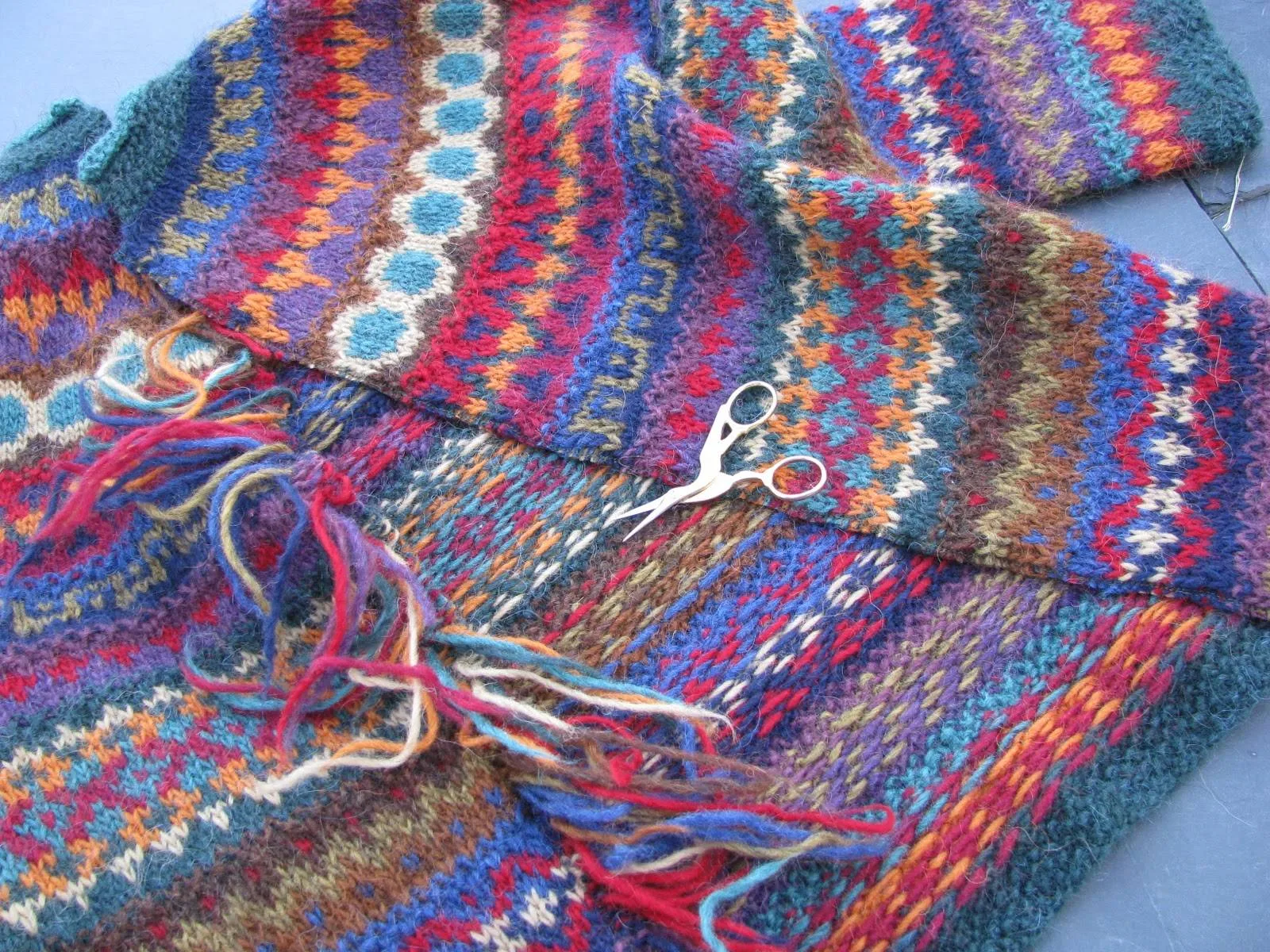
I’ve been knitting a lot of swatches to prepare for the Colorwork Knitting Weekend, and was getting annoyed with the fair isle ones.
So I did some research on how one makes a nice stranded knitting colorwork swatch, and found something interesting.
I noticed that Andrea Rangel, author of the Knitovation and AlterKnits stitch dictionaries, had A LOT of beautiful swatches.
When I looked into how she made them, it turns out she knits them in the round…
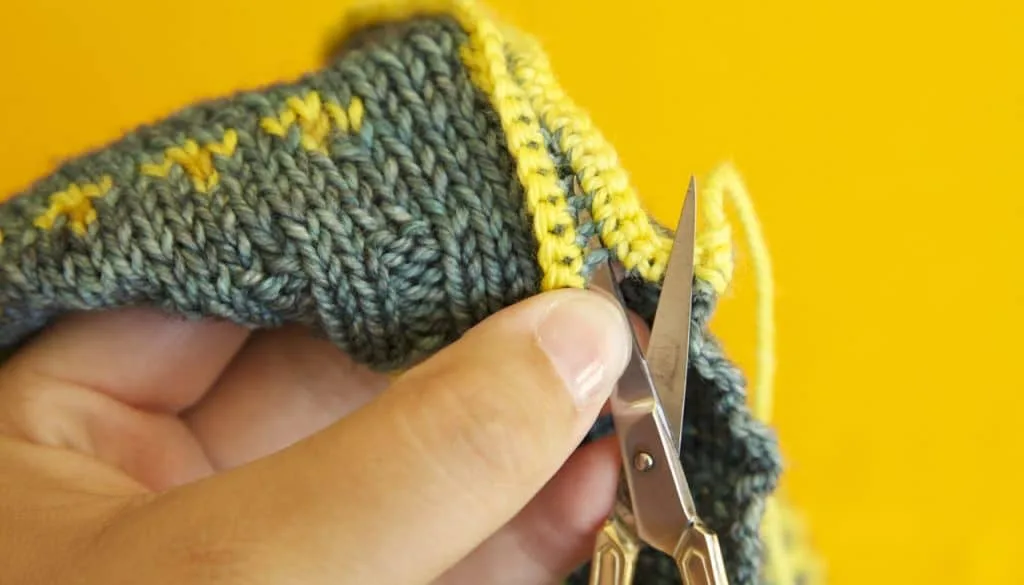
…and cuts them! 😱
That’s not something I’ve done many times, so I figured I’d try it (see video below).
It’s a technique called steeking and it’s a word known to send chills down even the warmest Merino sheep’s spine.
What is Steeking?
Technically, steeking is the process of adding extra stitches to your fabric with the intention of cutting them.
This is done to fabric knit in the round and can be used to cut it fully in half, or create holes to attache more knitting to later.
Today we often use it to mean cutting your knitting.
The process is fairly straight forward.
A section of 6-10 stitches is added to your fabric.
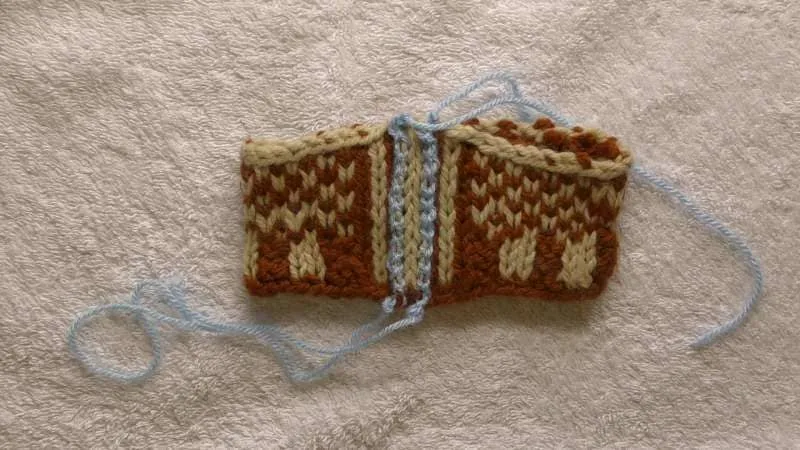
Normally the edges around the intended cut are reinforced to prevent the fabric from fraying.
There are multiple ways of doing this but the most common is through using a column of crocheted stitches on either side of the steek.
These extra stitches will then be sewn down to create a hem which will further reinforce the steeked stitches.
The prospect of cutting one’s knitting can be daunting, but it’s a tradition that’s been passed down for generations.
A brief history of steeking
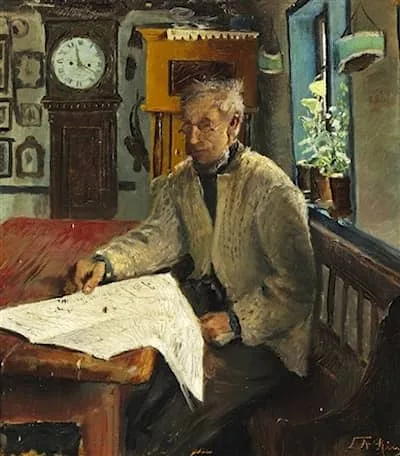
While no one know exactly when steeking was invented, we can trace it’s origins to the Shetland archipelago.
As this area is famous for it’s stranded [fair isle] colorwork, it’s no wonder they developed a method for taking fabric knit in the round and making it flat.
The method spread along fisherman routes, find its way to countries like Norway and Iceland.
These regions developed their own traditional designs, often knit in the round and then steeked.
Benefits of steeking
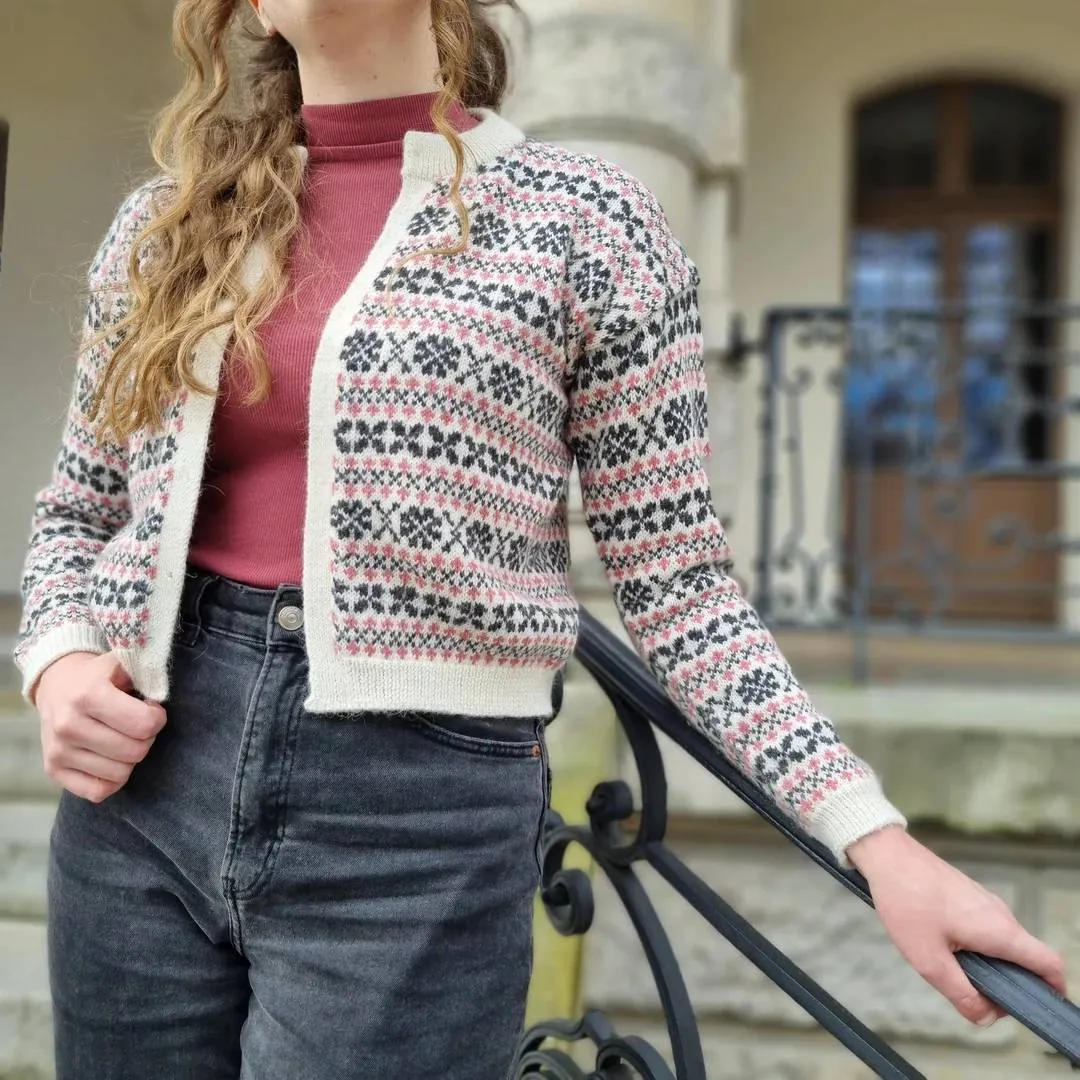
As mentioned before, the primary benefit of incorporating a steek is the ability to knit in the round for the majority of the project.
Stranded colorwork is most comfortable to knit in the round.
However knitting big tubes does not a sweater make.
Well…not exactly.
Cutting the fabric allows you to knit smoother and faster for large sections of the project.
It also makes for consistent colorwork throughout the pattern.
And in my opinion, cardigans made from steeked fabric always look more polished in their finishing.
Drawbacks of steeking
Steeking, while not that difficult, is intimidating for many, and there are risks involved.
It requires additional planning, and well executed safeguard to keep from making mistakes.
There’s also a lot of finishing involved in the process.
So if you’re not a fan of sewing, this probably is not the technique for you.
Conclusion
Steeking is an incredibly useful technique, especially if you love knitting colorful sweaters.
But what do you think?
Have you steeked your knits before?
If not, are you more interested in trying?