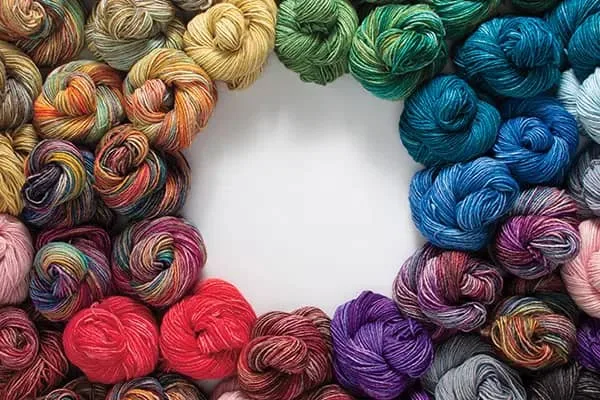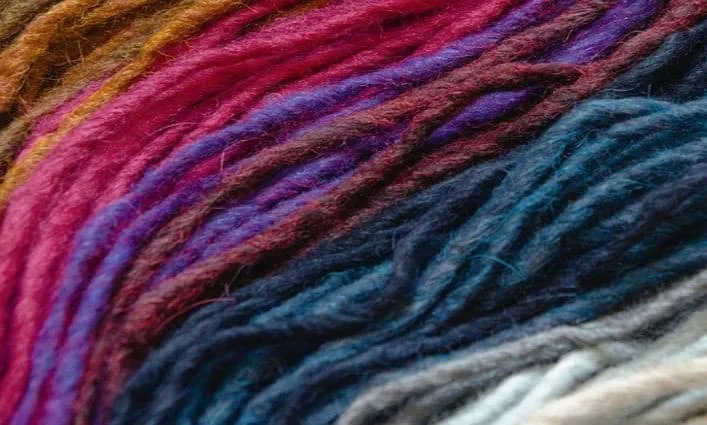
The *shape* of yarn is not something we spend a lot of time thinking about.
We spend most of our time drooling over gorgeous dye jobs, high quality fibers, and how soft it feels on our skin.
But yarn construction is more important than you might think.
There’s yarn that’s knit into a tube (ribbon), and yarn made from strips of knitted fabric (t-shirt), and yarn consisting of little chains of fibers (chainette).
Most yarn however, is made up of fibers that have been twisted, and then twisted again with some friends.
Today we’re going to look at what happens when you make a yarn that goes it alone.
What is a ply?
We’re not going to get too deep into plying today, as there is a surprising amount to cover on this topic.
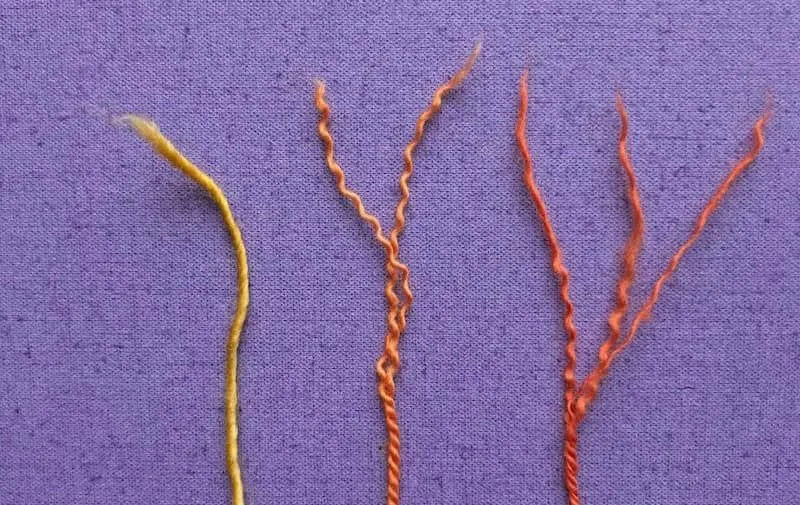
Essentially plies are a strand of twisted fiber.
Those strands are often *plied* together, twisting them on top of each other.
Each strand is basically stored energy, and wrapping those strands around each other helps to balance that energy within the yarn. This keeps the yarn straight, instead of twisting all over the place.
The more strands, the more stable the yarn is.
Most yarn has at least two plies, but usually three or four.
In fact the number of plies used to be an indicator of the yarn weight.
A yarn with four strands would be about worsted weight, and a yarn with eight strands would be much bulkier.
But today it’s possible to spin many different weights of yarn with just one strand of fiber.
Why single ply?
Single ply yarns are easy to fall in love with.
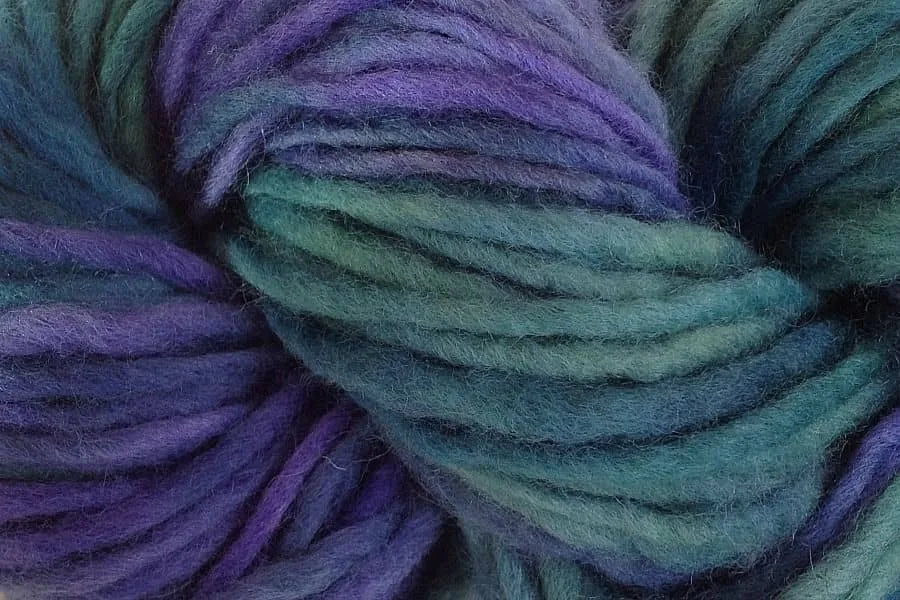
They’re kind of like a cloud of fiber twisted into a tube of warmth, joy, and happiness.
Here’s some things we adore about using single ply:
- Soft: Because the yarn is not tightly spun, it is quite spongey and soft with a fuzzy halo.
- Super Warm: There’s a lot of air in these yarns since they are only spun once. That means they’re even better at insulation than other yarns.
- Good for Beginners: They’re pleasant to work with and do not easily split, making them a great choice for first time knitters.
- Quick Knits: They often are on the bulky side, so they can knit up fast.
- Felting Practice: If you like to felt your knits, those fuzzy fibers love to stick together, so this yarn is ideal.
There’s something very satisfying about knitting with fiber in a less processed form.
But for all it’s advantages, this kind of yarn has some big drawbacks.
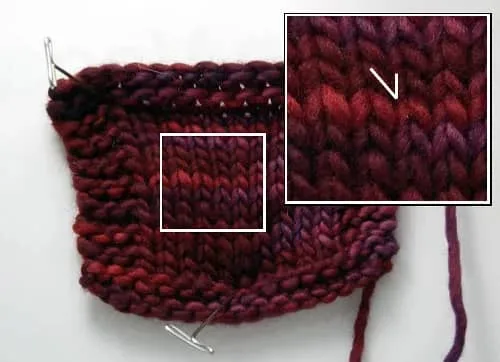
Drawbacks of single ply yarn
Knitting with single ply isn’t all sunshine and rainbows.
There’s some important things to keep in mind when using it:
- Less Detail: The yarn is often fuzzy, so stitches lack much definition and can blend together.
- Frogging is Hard: Made a mistake a few rows back and need to rip out? Good luck. Those fuzzy fibers like to stick together and can be difficult to pull out.
- Lack of structure and strength: If a single ply yarn is not spun enough or doesn’t have long enough staple fibers, the yarn may be prone to breakage.
- Pilling: While it is possible to make garments and accessories, sweaters, hats, and scarves are less practical than when using smaller yarn weights.
- Biasing: Because these yarns are not balanced, they may cause your fabric to twist and some stitches to slant.
That being said, on the whole we still enjoy working with single ply yarns. We’ll gladly risk some pilling for that cozy cloud of fiber.