

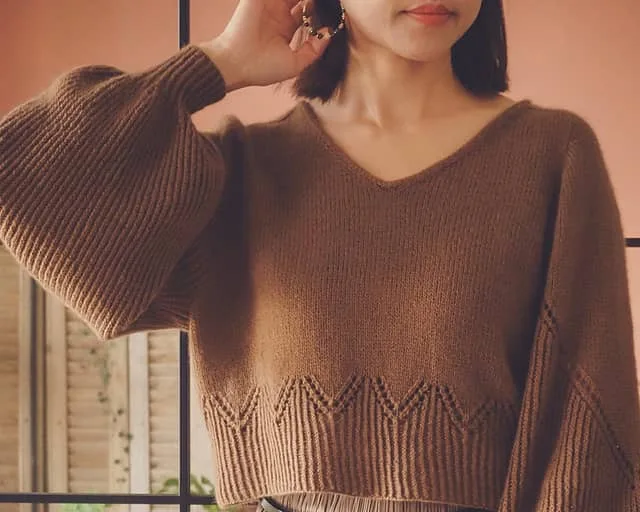
I recently came across the term “quiet luxury” while browsing YouTube.
Evidently this has been a big trend in the fashion world over the past year, but as I am not quiet nor luxurious I had no idea.
Here’s how Wikipedia describes the concept:
Now, if I were wealthy, I’d like to think this is how I would live my life.
It got me thinking about how this idea relates to knitting…
A lot of what I see knitters knitting is anything but quiet.
They prefer bold, loud colors with lots of pattern and texture.
There’s certainly nothing wrong with that.
Knit what you love I say!
But a quick search on Ravelry also shows the most popular patterns easily fall into this category of quiet luxury.
They’re simple, elegant, in muted colors that look like they belong in a Kinfolk magazine.
Is that what people are actually knitting?
Maybe…
Or maybe it’s what they aspire to.
In a world that can feel unpredictable and chaotic, the idea of sitting and knitting in quiet luxury is quite appealing.
So what does one knit with if they are seeking a luxury experience in the knitting world?
There’s one obvious choice:
Cashmere
What is Cashmere?
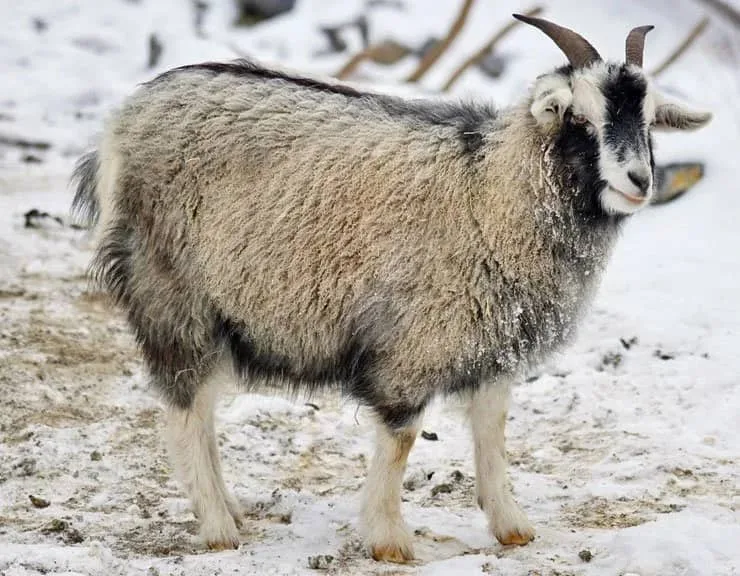
Cashmere, often heralded as the jewel in the crown of natural fibers, is renowned for its softness, warmth, and luxurious feel.
This sumptuous fiber is harvested from the undercoat of the Cashmere goat, primarily found in the mountainous regions of China, Mongolia, and the Himalayas.
Each goat produces a small amount of this fine undercoat, making cashmere a rare and valuable commodity.
How is cashmere yarn made?
The harvesting process of cashmere is intricate and labor-intensive.
During spring, when goats naturally shed their winter coats, herders comb the fine undercoat, carefully separating it from the coarser guard hair. This process ensures the preservation of the fiber’s natural softness and loftiness.
Each hair is incredibly fine, typically ranging from 14 to 19 microns in diameter, much thinner than human hair. This fineness, coupled with the fibers’ natural crimp, creates an unparalleled softness and insulating capacity.
A brief history of Cashmere yarn
Cashmere has a long history as a luxury good, going back thousands of years.
For decades, the locals hunted hircus goats for their long, warm, and silky coat fibers, which helped the animals withstand the cold winter weather. Early records from the fifteenth century spoke of the superior quality of the fiber produced by the Kashmir region’s goats. As a result, the name Kashmir (anglicized to cashmere) became common.
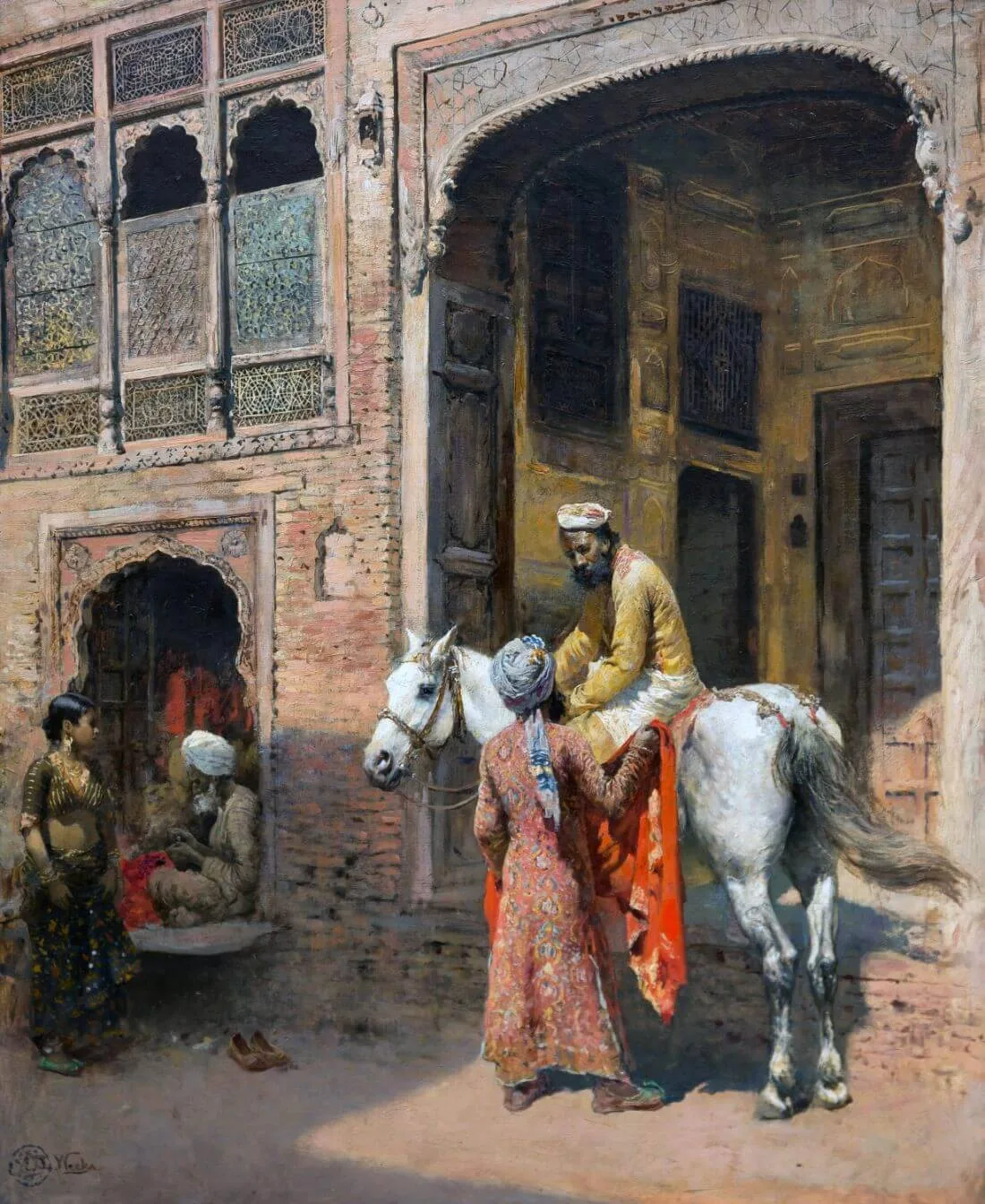
Moving on into the 18th century traders from imperial nations transported Kashmiri products from China to Europe and the Americas over the Silk Road. Initially, Kashmir was only available to monarchs and members of high society. It was seen as the peak of luxury, with cashmere shawls or ‘pashminas’ in particular serving as a status symbol and the apex of a stylish aristocratic woman.

In the nineteenth century the Industrial Revolution started a new cashmere craze. Manufacturing boomed in areas such as Scotland, and the cashmere sweater and twin set (sweater and cardigan) became items that everyone desired to wear.
Sadly interest in cashmere started to dwindle by the 1980s. By then high end fashion houses claimed the rare fiber for themselves, putting a real cashmere sweater out of reach for the common person.
Today supply cannot keep up with demand, as only 6500 tons of textile grade cashmere fiber is produced each year. This has kept items made with it at a premium.
Luckily knitters can still get their hands on some of this precious fiber.
Benefits of Cashmere yarn
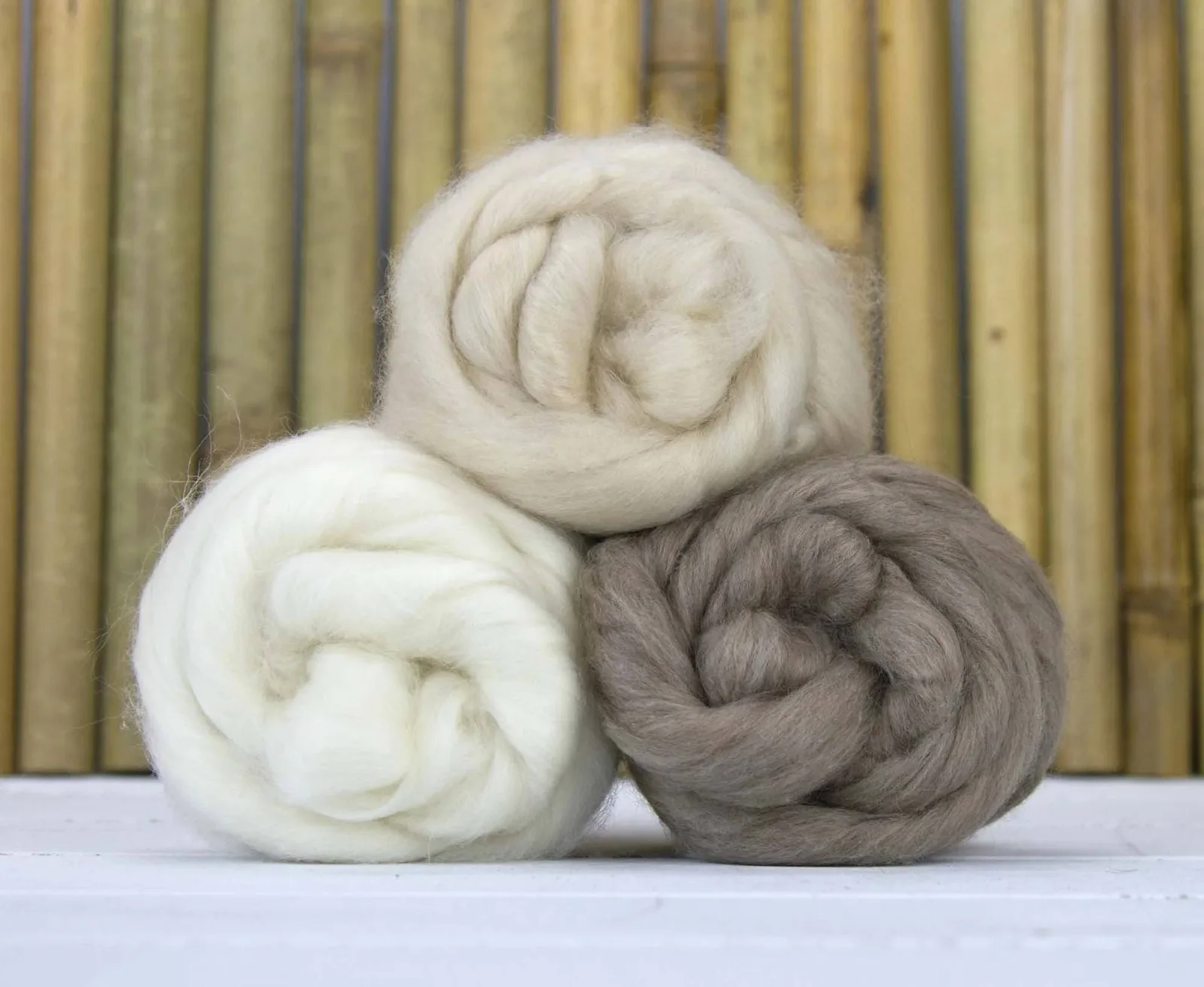
The allure of cashmere lies in its unique combination of properties:
- Softness and Comfort: The ultra-fine fibers of cashmere provide an exceptionally soft feel, causing no irritation to the skin, unlike some other wool fibers.
- Insulation: Cashmere’s natural crimp helps in trapping air, providing excellent insulation. This means garments made from cashmere are warm yet incredibly lightweight.
- Durability and Longevity: When cared for properly, cashmere products can last for years, even improving in softness over time.
- Breathability and Moisture Wicking: Cashmere’s natural fibers offer high breathability and moisture-wicking properties, making it comfortable in a variety of climates.
Drawbacks of Cashmere yarn
Despite its many benefits, cashmere does have some drawbacks:
- Cost: Due to its rarity and the labor-intensive production process, cashmere is significantly more expensive than most other textile fibers.
- Environmental Impact: The increasing demand for cashmere has led to overgrazing in some regions, contributing to environmental issues like soil degradation.
- Care Requirements: Cashmere requires special care. It cannot be machine washed or dried, necessitating gentle hand washing and flat drying to maintain its shape and texture.
Conclusion
So what do you think?
Are you going to be enjoying some quiet cashmere luxury?
Have you made anything with cashmere before?