

📊 The 10 Levels of Knitting Mastery (Part 1)
I have long held that my least favorite term in ALL of knitting is Advanced Beginner.
As far as oxymorons go, this is near the top of my list, right up there with “falsely true” and “new, old-fashioned way.”
We have a word for this level.
If you’re not beginner, and you’re not advanced, then you’re…
…intermediate.
Folks have tried to come up with a new term, Adventurous Beginner, to describe someone who’s got the hang of the basics but is still learning.
But I know people who have been knitting for 5 years and have made sweaters who would still call themselves…Advanced Beginners. 🤢
Even typing those words makes me sick.
So why do we use these weird terms to describe our knitting skill levels?
And is there a better, more clear way to define our level of knitting mastery?
I think there is.
First, we need to understand how we got here.
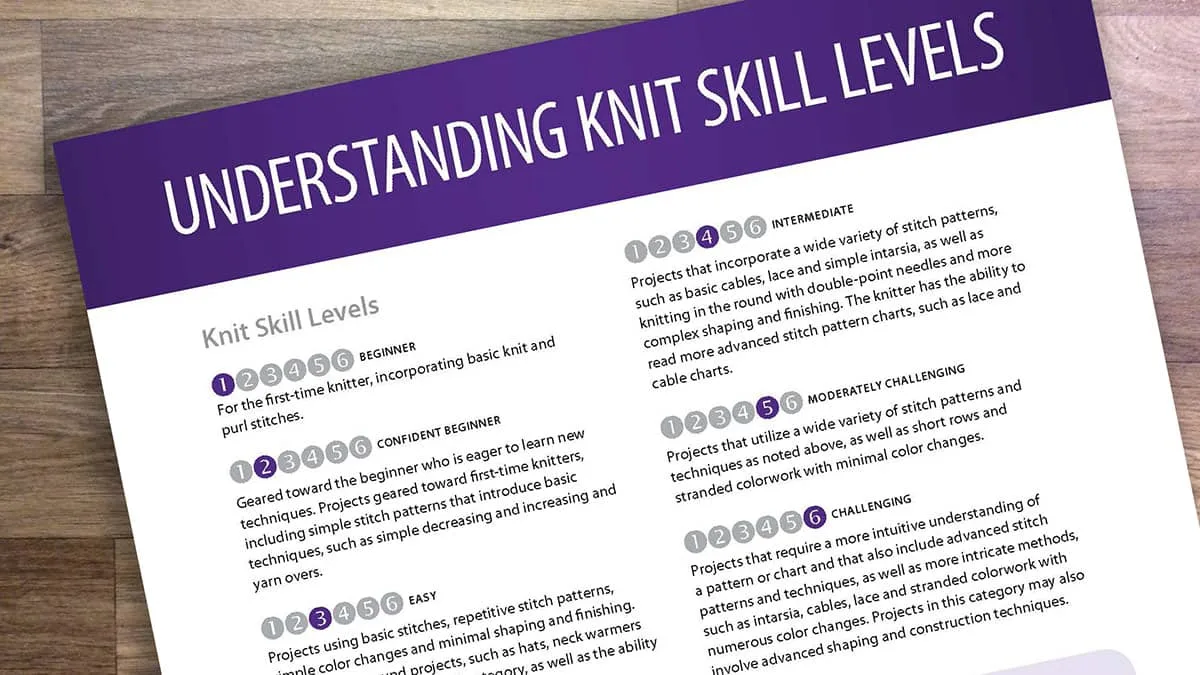
There is no agreed upon skill level terminology.
Every publisher, designer, and yarn company seems to have their own way of describing who their patterns are right for.
While the Craft Yarn Council has had some adoption of it’s yarn standards, at least from larger yarn manufacturers like Lion Brand and Yarnspirations, the same cannot be said for skill levels.
They propose 4 project difficulty levels which are:
**Basic
**Projects using basic stitches. May include basic increases and decreases.
**Easy
**Projects may include simple stitch patterns, color work, and/or shaping.
Intermediate
Projects may include involved stitch patterns, color work, and/or shaping.
Complex
Projects may include complex stitch patterns, color work, and or/shaping using a variety of techniques and stitches simultaneously.
Ok…but…
- How do you define a basic stitch?
- Aren’t increases and decreases already shaping?
- How involved is an involved stitch pattern?
- How many techniques is a variety? 2? 5? 42?
In my opinion these guidelines are FAR too broad and not very useful.
Other companies use up to 5 or 6 levels, including advanced and expert at the top, but still fail to define clearly what those levels actually entail.

What this system is missing
As I mentioned before, the knitting industry is full of small companies and professional individuals who all have their own way of doing things.
There are 4 or 5 different chart symbol systems, many, MANY ways to write a pattern, and 3 different ways to categorize needle size.
It seems the only thing we agree on is what information should be on a ball band.
No wonder we have no industry standard for knitting proficiency.
What these different categorization systems have in common is they are all subjective.
But I think it’s possible to OBJECTIVELY measure someone’s knitting skill level.
So today I’m introducing my proposal for a new knitting skill level system.
Learning from others
In order to have a system that can easily be adopted by the average knitter, we first must define what our system measures.
The easiest way to do this is by looking to other ranking systems that have stood the test of time.
In this case we’ll pull from a similarly ancient craft which has been studied all around the world, passed on from generation to generation, and at times has been a pop culture phenomenon.
Of course I’m talking about…
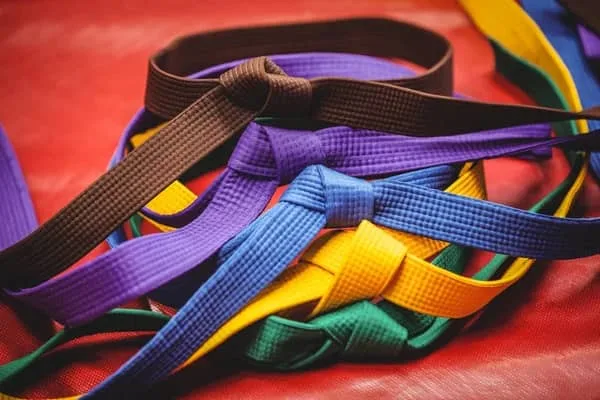
There are 4 types of karate that are taught throughout the world but ALL use some sort of belt ranking system to determine a students level.
Each belt has a skill focus, a practice regime, and a value to integrate.
For example: A yellow belt trains on having good stance and form while doing basic punches and kicks. While sparring they show restraint by not hitting at full force. At this level the student learns the value of focus.
In order to move up a rank the student must be able to demonstrate a mastery over these skills during a test.
We can do something very similar for knitting.
I like to call it a Knit Rank.
The Knit Rank System
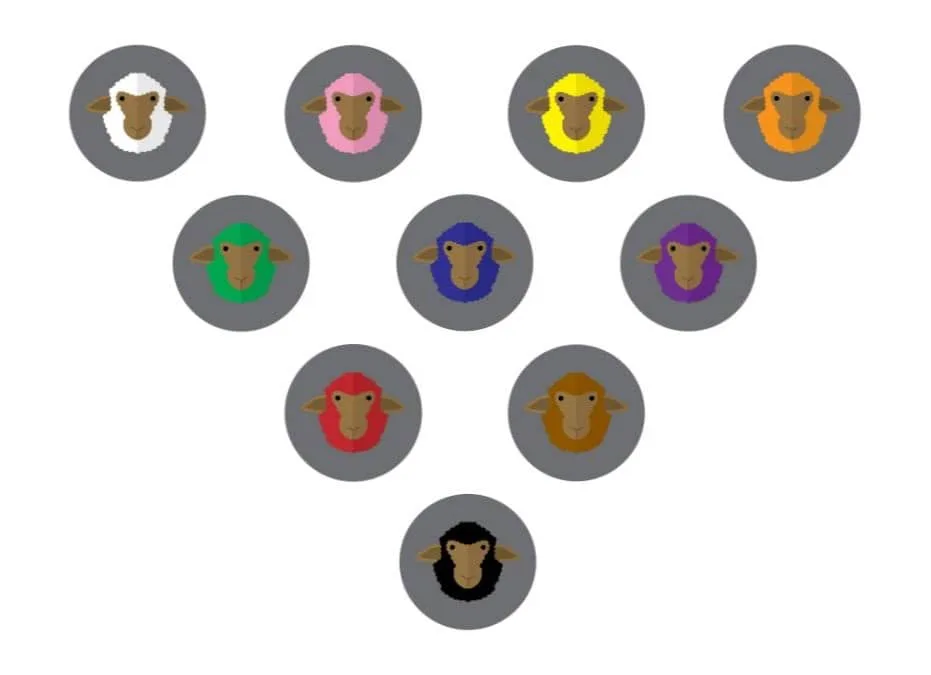
For our system we will co-opt the color system from the 10 dan system. This system only uses 9 colors, so we’re going to add pink. But instead of belts we’ll call them fleeces.
Each of the 10 levels will focus on a limited number of knitting skills. We practice these skills through swatching and other exercises. We’ll also highlight a value important to the craft of knitting.
Finally we’ll have a specific type of project which a knitter can complete to demonstrate mastery of their skills.
So what are these levels?
I’m glad you asked!
The first 3 levels I call the Apprentice phase. Here we’re mastering the basics, and creating a foundation to building new skills upon.
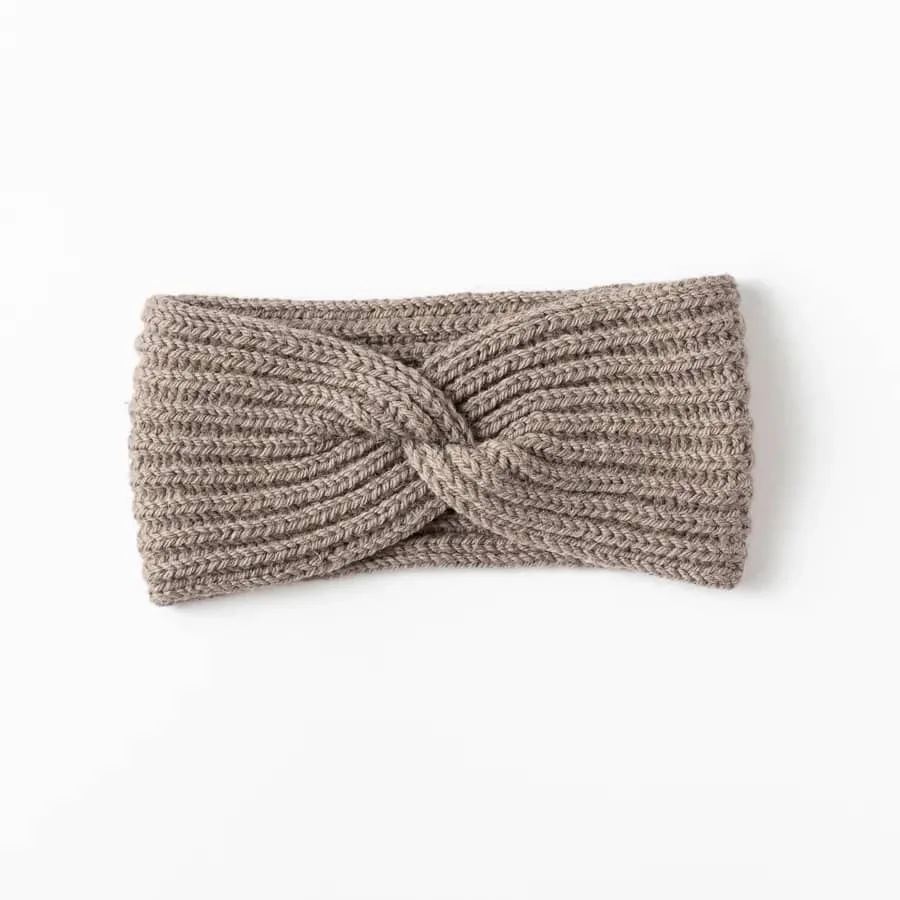
Level 1 • White Fleece
Skills focus: Knitted Cast On, Knits, Purls, Ribbing, Basic Bind Off, Mattress stitch, and basic pattern reading.
Virtue: Patience
Mastery Project: Ribbed Headband
At this level we’re focusing on the very basics. A knitter is truly beginning is trying to determine if this is a hobby for them. That means that they need to learn the building blocks of knitting while finishing their first project quickly.
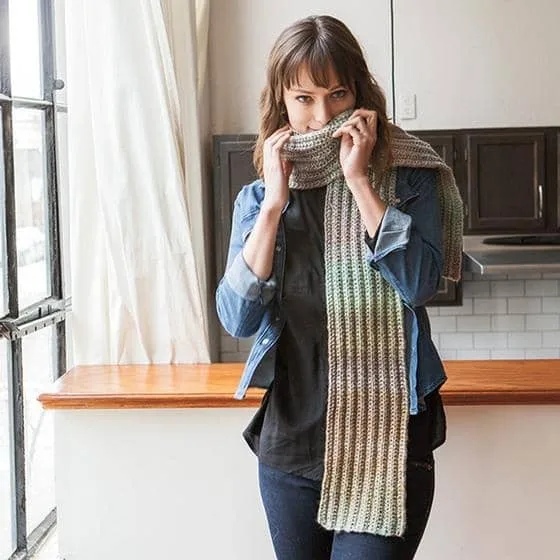
Level 2 • Pink Fleece
Skills focus: Long Tail Cast On, knit & purl texture stitches, slipped stitches, selvedge stitches, tension, and basic chart reading.
Virtue: Graciousness
Mastery Project: Slip Stitch Rib Scarf
At this level the knitter has decided to continue learning. Now they need to master tension so their work is even, and begin recognizing the difference between knits and purls. This is done in part by knitting texture swatches from basic charts. Scarves are a great project for building muscle memory. Using selvedge stitches to begin and end your rows will help create good finishing habits.
We focus on the virtue of graciousness because at this stage you will make A LOT of mistakes. We need to learn to give ourselves grace to learn from our mistakes and keep going.
Level 3 • Yellow Fleece
Skills focus: Yarn over, simple lace stitches, Garter Tab Cast On, Picking Up and Knitting stitches, Lifelines, Increases, Decreases, sewn bind off, reading basic lace charts.
Virtue: Preparedness
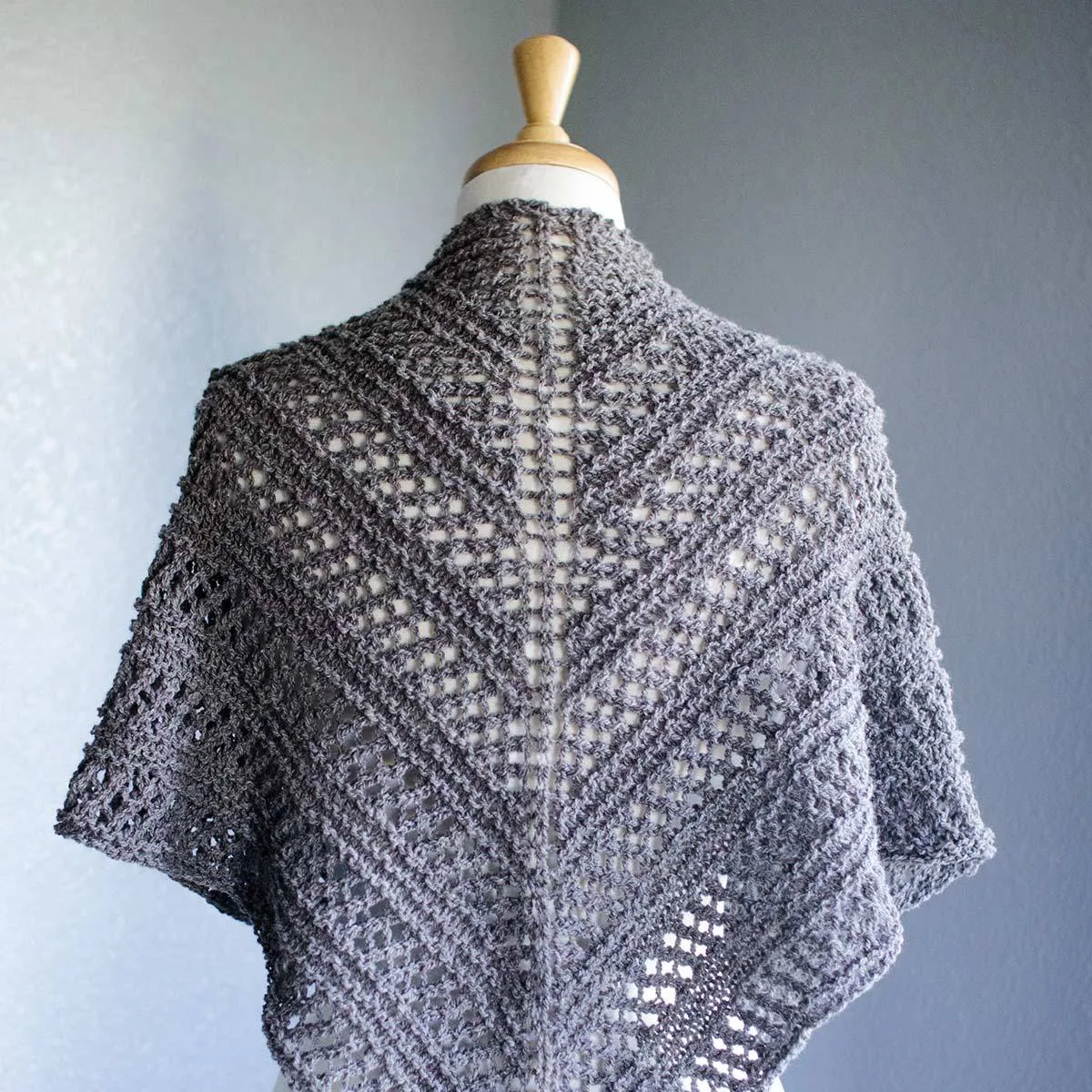
Mastery Project: Simple Lace Triangle Shawl
The yarn over is an important stitch technique with many applications beyond lace. Here we’ll practice making eyelets in simple lace swatches, while learning to read VERY basic lace charts.
At this level we’re going to work on a little bit bigger project. A simple lace shawl (like Kosaten) introduces both increases and decreases, along with basic shaping concepts.
Our virtue is preparedness as there is more attention to detail required in lace, so using a lifeline is essential. We’re also learning new cast on and bind off techniques specifically suited to this project.
More to come…
I’ve been working on this idea for more than 7 years.
Recently it all came together in a way I think might help people better understand where their skills stand.
Some might think that 10 levels is too many, but if I was trying to figure out where I was on a map, I’d want the closest possible landmark to orient myself.
The current systems haven’t seemed to cut it.
But what do you think?
Do you like the direction of this Knit Rank system?
Maybe you’re fine with Advanced Beginner. 🤢
There’s no perfect or even right way to do this, but perhaps together we can come up with something better…
In the next part we’ll continue exploring levels 4-7, the Craftsman phase.
🤩 Become a Yarnist Supporter!
This year we’re trying something new to ensure you get more from our newsletter than ever before.
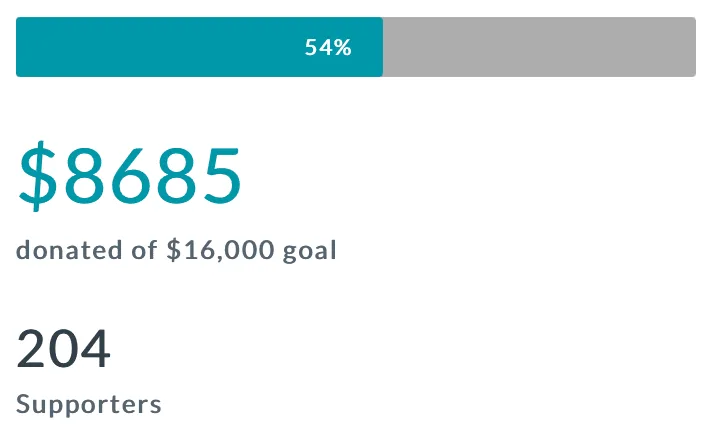
We’re raising $16,000 to fund our next season of Yarnist content and we need your help!
If you’d like to show your support for our work, we’ve got some great gifts to say thank you.
AND we’re getting ready to start shipping the first rewards starting tomorrow!
Of course this is entirely optional, but if you are able to contribute it’s greatly appreciated!