

In a previous newsletter we talked about how ribbing works, and ways to make it look neater.
This week, we’re going to take a look at different ways slipped stitches are used within patterns.
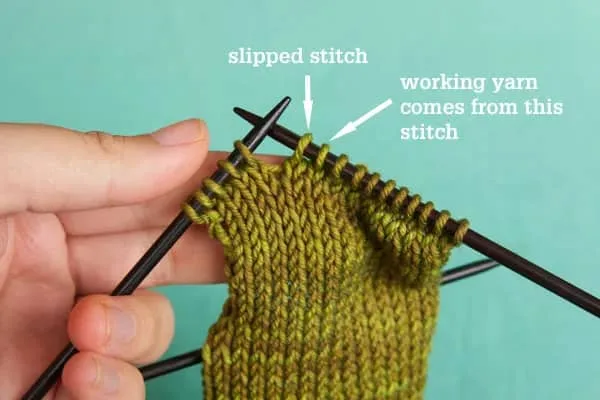
What is a slipped stitch?
In its most basic form, a slipped stitch is a stitch which has not yet been worked. It’s usually abbreviated as SL within knitting patterns.
By slipping the stitch we are able to stretch the stitch, allowing for a whole array of design elements.
In fact it’s one of the most versatile stitches within knitting, but it doesn’t quite get the respect it deserves.
Here are 5 different ways slipped stitches can transform your knitting.
Knitwise vs Purlwise
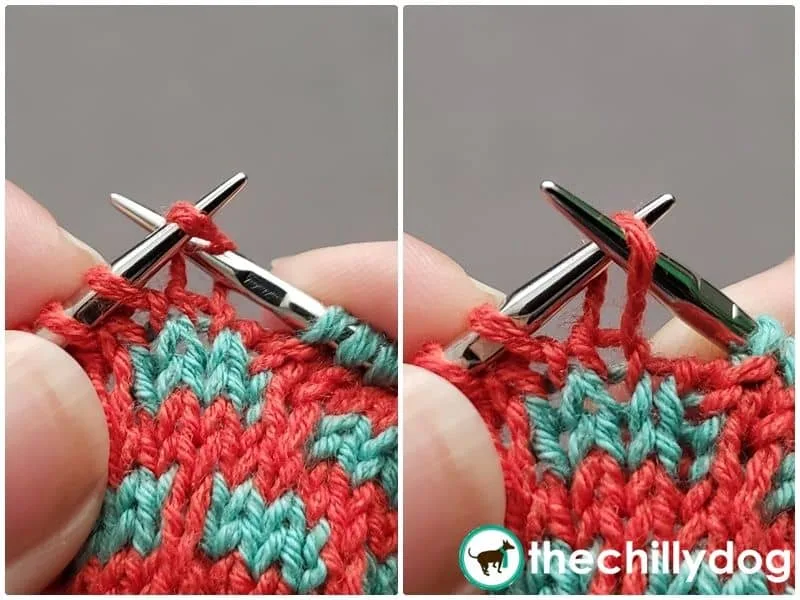
First we need to look at HOW to slip a stitch.
There are two ways to do this, inserting your working needle as if to knit (knitwise), or inserting your working needle as if to purl (purlwise).
In most cases you should be slipping purlwise, unless your pattern says differently.
HOWEVER, decrease stitches such as Slip Slip Knit (SSK) or Slip One, Knit One, Pass Slip Stitch Over (SL1-K1-PSSO) are ALWAYS slipped knitwise.
This is because slipping the stitch knitwise flips the stitch, so it lays flat in the decrease. If you were to slip it purlwise, the stitch would be twisted.
PSSO - Pass slipped stitch over
This technique is used in a few different ways.
After a stitch has been slipped, it can be used as a design element.
Most often it is as part of a decrease, where the slipped stitch is passed over another stitch to create a left leaning decrease.
It is also used in a traditional bind off and the invisible join in the round.
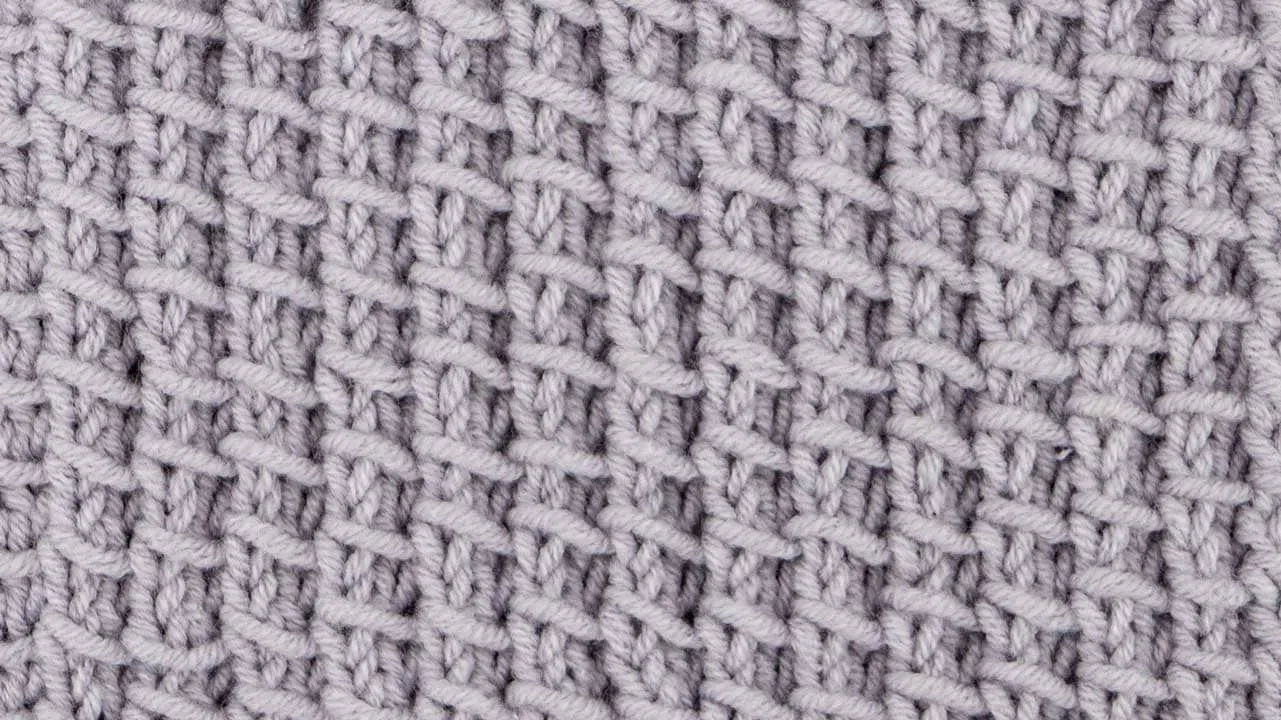
But my favorite application is in stitch patterns like the bamboo stitch, in which it creates a loop around other stitches.
This give the fabric a unique texture that can’t be accomplished any other way.
WYIF / WYIB - With Yarn in Front (or Back)
These instructions are generally used to let you know what side of your work to hold the yarn when slipping a stitch.
If the pattern does not indicate what to do with the working yarn while slipping, it is implied that you will hold it in back.
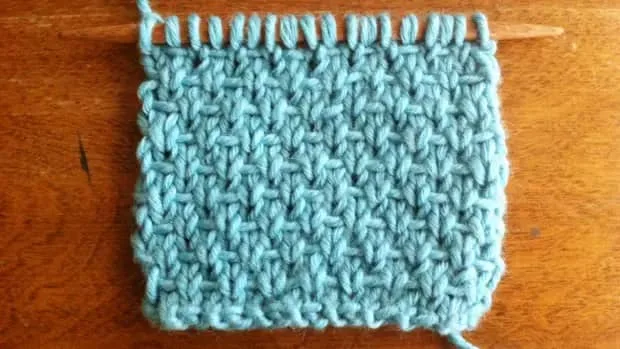
However, slipping while holding the yarn in front (WYIF) will create a horizontal bar in the fabric.
Sometimes this is a design element on its own, like in the half linen stitch above. And sometimes it’s worked later like in lifted stitches (which we’ll discuss next week).
Selvedge Stitch
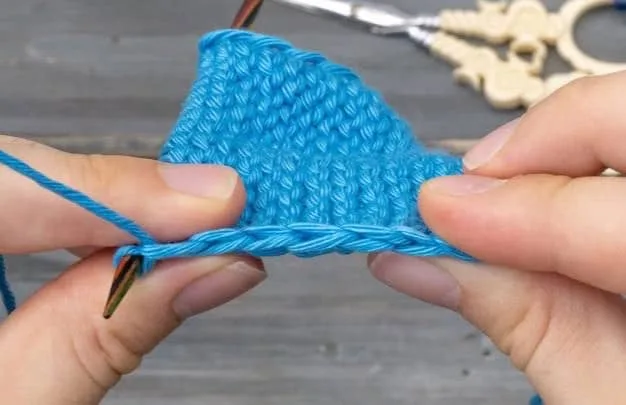
One of the most useful techniques I’ve found to improve my knitting is using a selvedge stitch.
This is accomplished in many different ways, but my favorite is through slipping the first and last stitch of all right side rows, and purling them on the wrong side rows.
Doing this has many benefits:
- Helps reduce curling of fabric in stockinette
- Looks nice and clean
- Bigger stitches to pick up and knit into
- Makes seaming much easier
I almost always use a selvedge stitch when knitting anything, and highly recommend trying it if you haven’t yet.
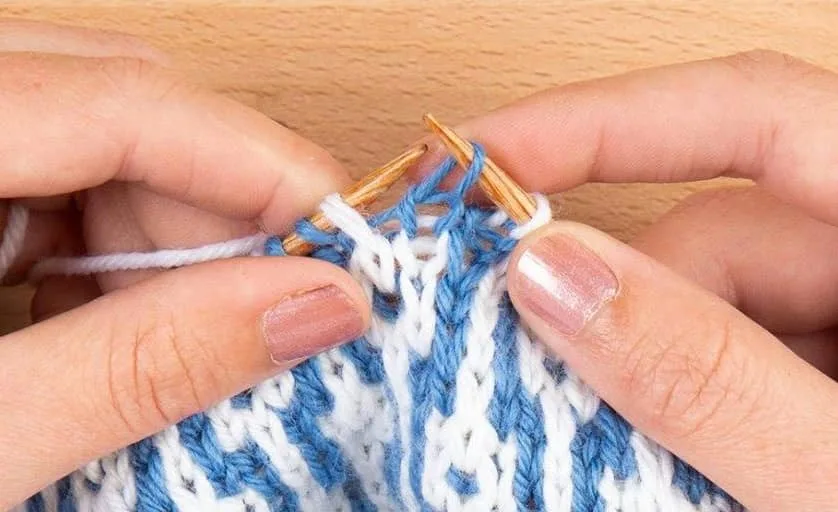
Mosaic Colorwork
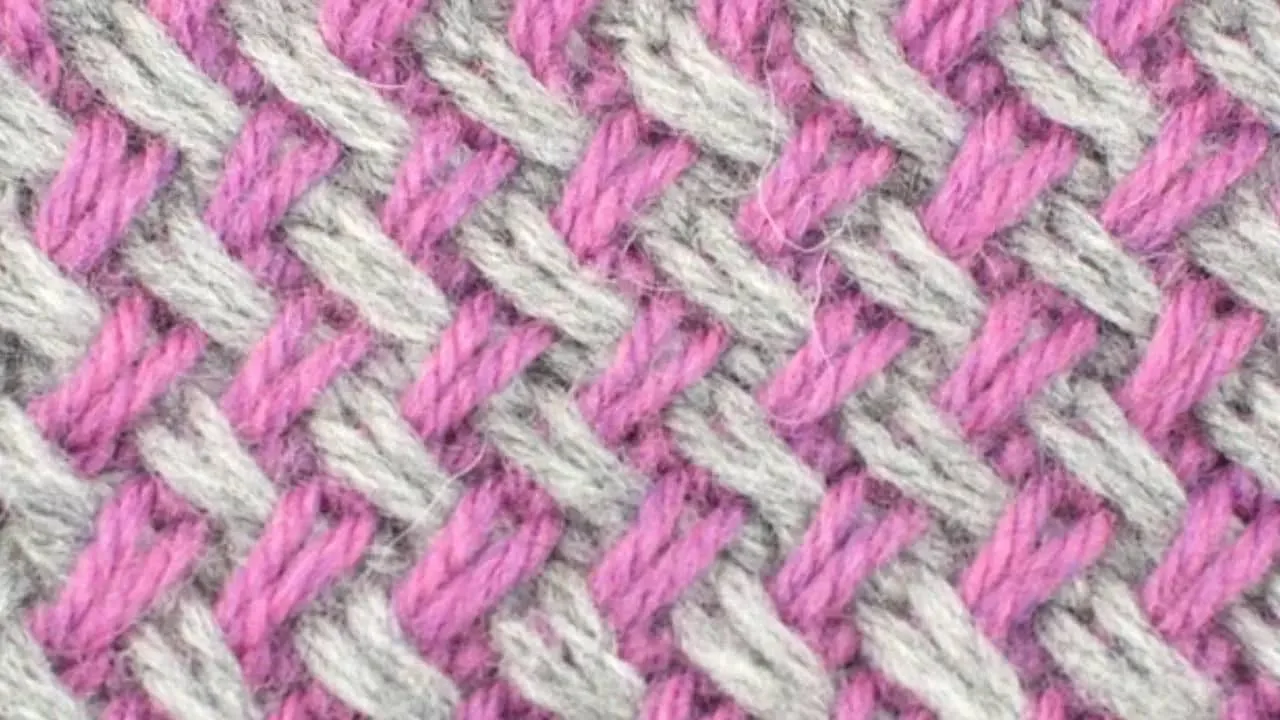
This simple colorwork technique relies on slipped stitches.
It was popularized by Barbara Walker in the 1970s with the publishing of her book of mosaic stitches.
The beautify of this technique is you only knit one color at a time. The slipped stitches create vertical or slanting bars that give the illusion of more complicated colorwork patterns.
Its a great way to get into colorwork if you’re just starting out.
Conclusion
Slipped stitches are highly underrated for their usefulness and versatility.
And they are a core element for many of the techniques we will be exploring over the coming weeks.