

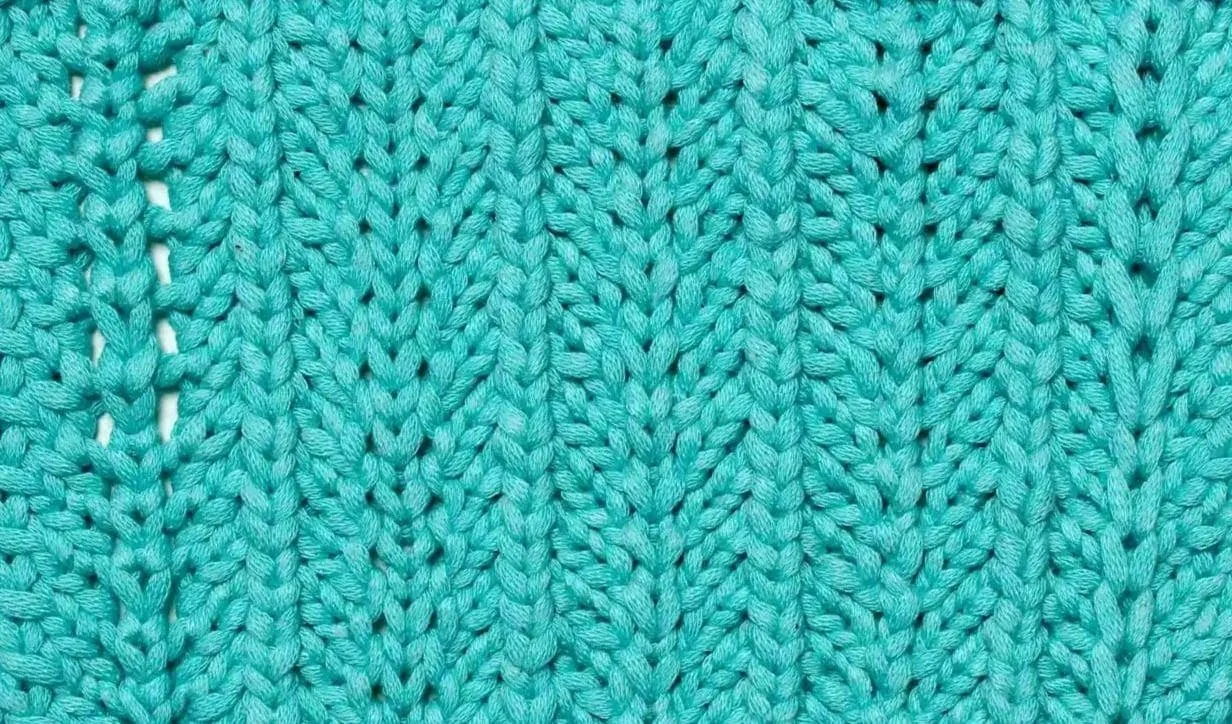
Recently we talked about decreases, so this week it makes sense that we discuss increases.
But not just any increases.
These are increases you’ve probably never heard of, and not because they’re obscure.
It’s because they were just recently INVENTED.
As in someone sat down, used their big brain, and thought…hmm…
…what happens when you do something like THIS.
And not only did this person invent ONE new increase, they invented MULTIPLE increase stitches.
So who is this incredibly clever and talented knitter?

Knitting inventor Assia Brill
The longer you knit, the more you feel like nothing is new in knitting.
For thousands of years humans have been taking fibers, turning them into yarn, and making clothing with hooks and needles.
Even Elizabeth Zimmermann coined a phrase for documenting discoveries she came across in her own knitting. She claimed she “unvented” things because someone had almost certainly done it before.
But every once in a while someone really does introduce a fresh concept to the knitting world.
Whether it’s a new bind off like Jenny’s Surprisingly Stretchy Bind-Off, or Fusion knitting, there ARE some people creating brand new knitting concepts.
One such person is Assia Brill, a woman who has actually invented MULTIPLE new knitting techniques.
Not only has she developed a different method of double layered knitting called DiStitch, she’s done amazing things with cables, AND created a few new increase techniques.
Those increases are what we’re going to focus on today.
Let’s dive in…
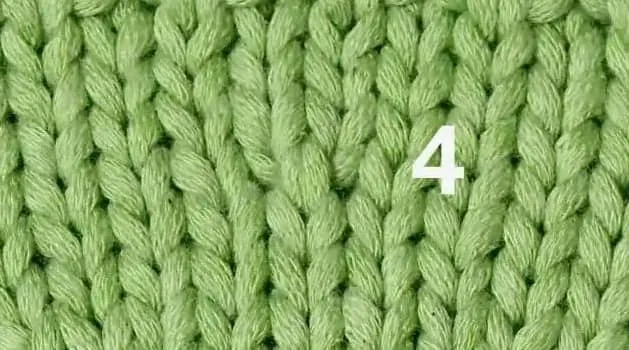
Twincrease
Pretty much ALL methods for increasing are asymmetrical.
This means that the stitch will lean either to the right or to the left.
With the Twincrease, that is not the case.
It uses something called a cow hitch knot to create two symmetrical stitches from a single stitch.
While it’s not the easiest technique to master, it is a beautifully subtle way to shape your knitting.
Here’s a video on how to do it.
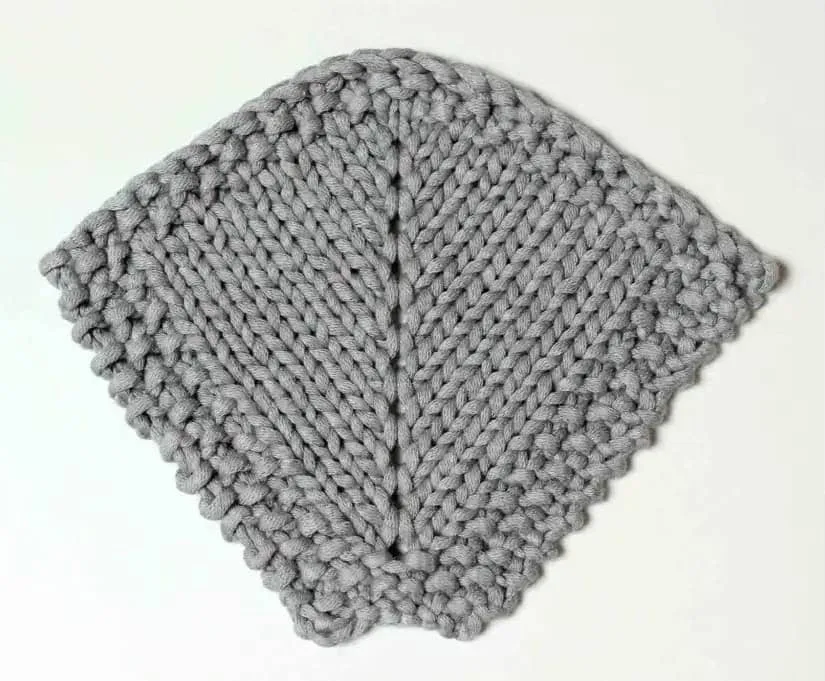
Twinover
While Assia does not claim to directly have invented this next increase, she does put her own spin on it.
There are many increases that are worked into a double yarn over.
These create an additional stitch while leaving an eyelet at the base of the transition.
With the Twinover we combine the Twincrease with a double yarn over, making a symmetrical increase above an eyelet.
This is great for raglan seams that have a little lace detail along the seam.
Here’s a video on how to do it
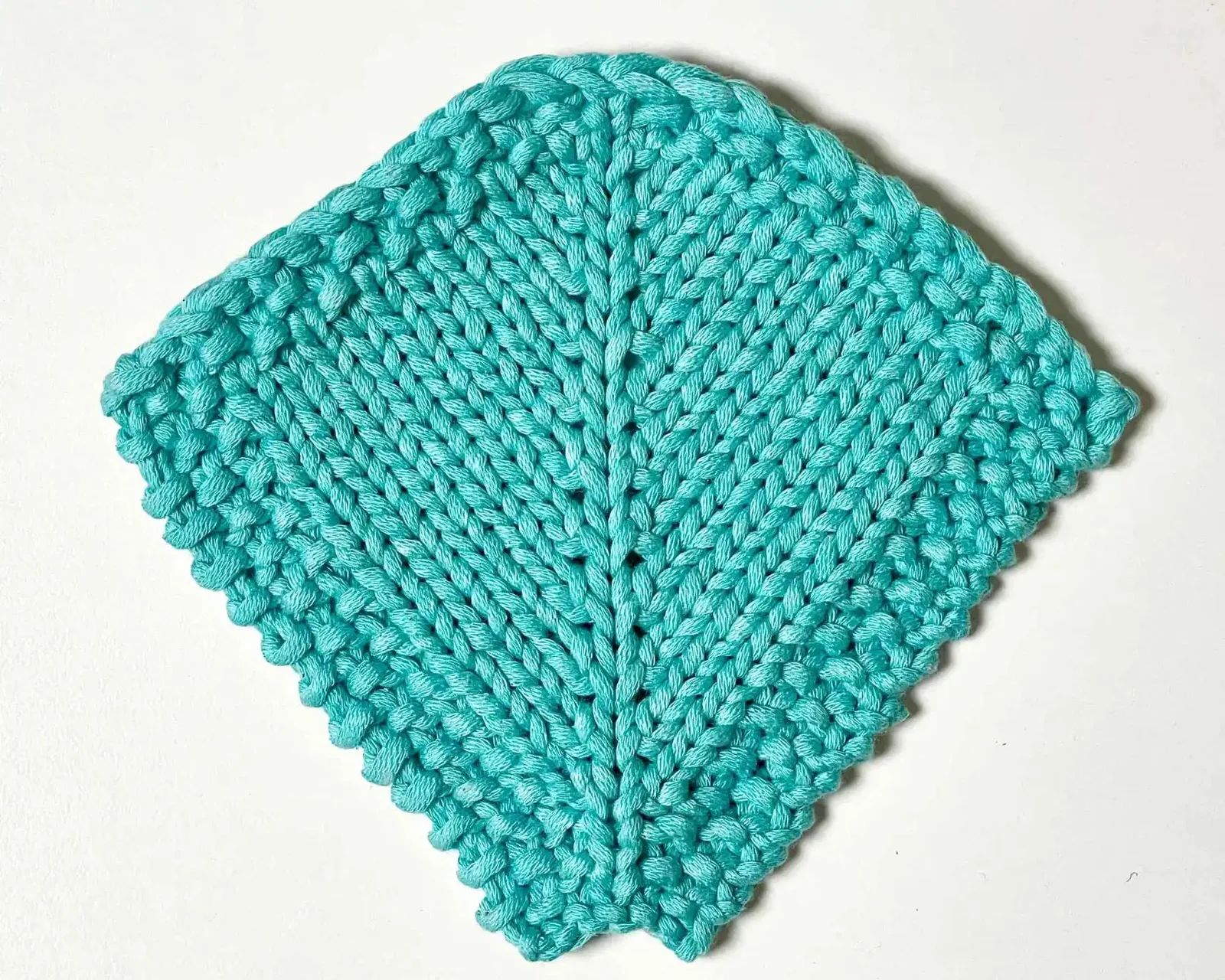
T-Increase
This is another variation of the twincrease technique.
However, instead of creating a symmetrical pair of stitches from one stitch, we make three stitches instead.
If you’ve ever knit a raglan sweater, this is a quick and easy way to create mirrored increases all in one go.
The technique leaves one central stitch and small holes on either side where the additional stitches are added.
Here’s a video on how to do it
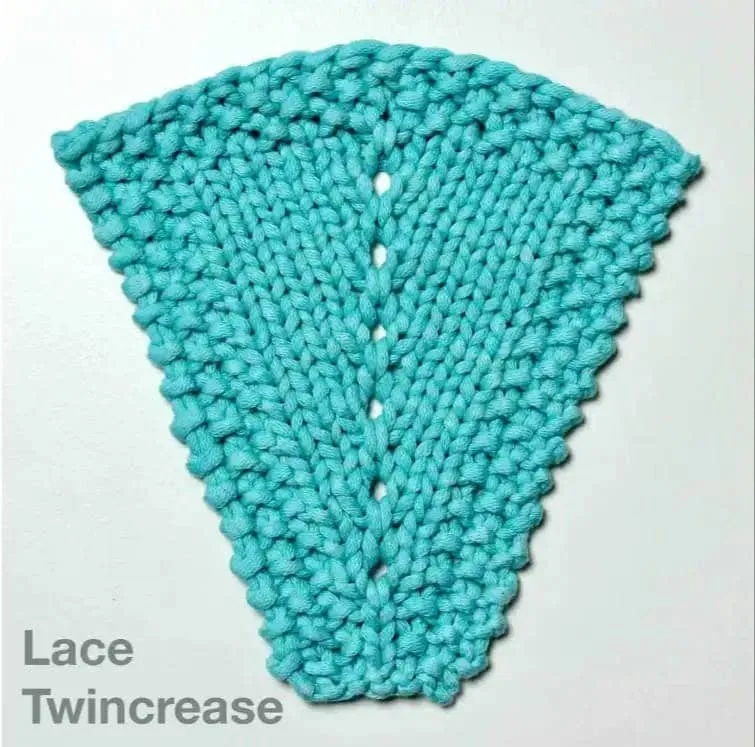
Lace Twincrease
This final increase is a double increase that creates an eyelet at the center.
This means we go from one stitch to three stitches, and there’s a little hole in the middle.
There’s a subtle difference from some of these other increases, but it is aesthetically distinct.
Here’s a video on how to do it
Conclusion
There’s lots of ways to increase, even more than I realized, but these are some unusual options that are pretty useful in the right situation.
But what do you think?
Have you used any of these increases?
Do you have any shaping hacks we should know about?