

There are a surprising number of knitting related books that are not how-to books.
Knitting has impacted our lives in so many unexpected ways, and many people have written books about their experiences.
Whether it’s documenting the history of British knitting, a collection of writers talking about what it means to be a knitter, or one woman’s reflection on her knitting career, there’s many ways to view the world of yarn.
If you love reading non-fiction and want a different perspective on our beloved craft, these books might be for you.
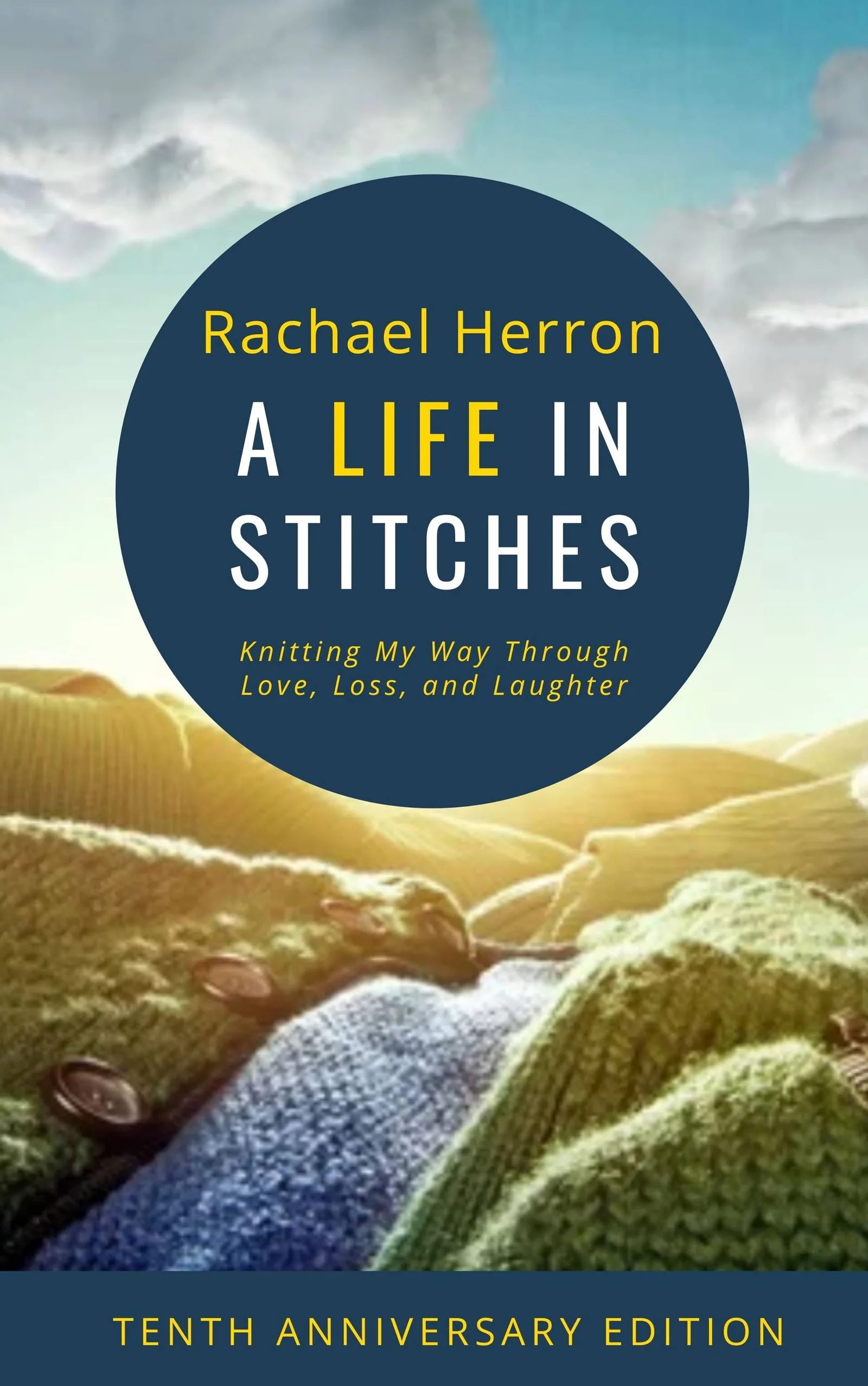
Rachael Herron shows that when life unravels, there’s usually a way to knit it back together again, and if there’s not, there’s still hope to be found in the simple tools of the craft. Honest, funny, and full of warmth, Herron’s tales, each inspired by something she knitted, will speak to anyone who’s ever loved (or lost).
From her very first sweater (a hilarious disaster) to the yellow afghan that caused a breakup (and, ultimately, a breakthrough), every chapter has a moving story behind it. This beautifully candid collection about crafting the art of happiness through joy and grief is perfect for fans of Elizabeth Gilbert and Glennon Doyle.
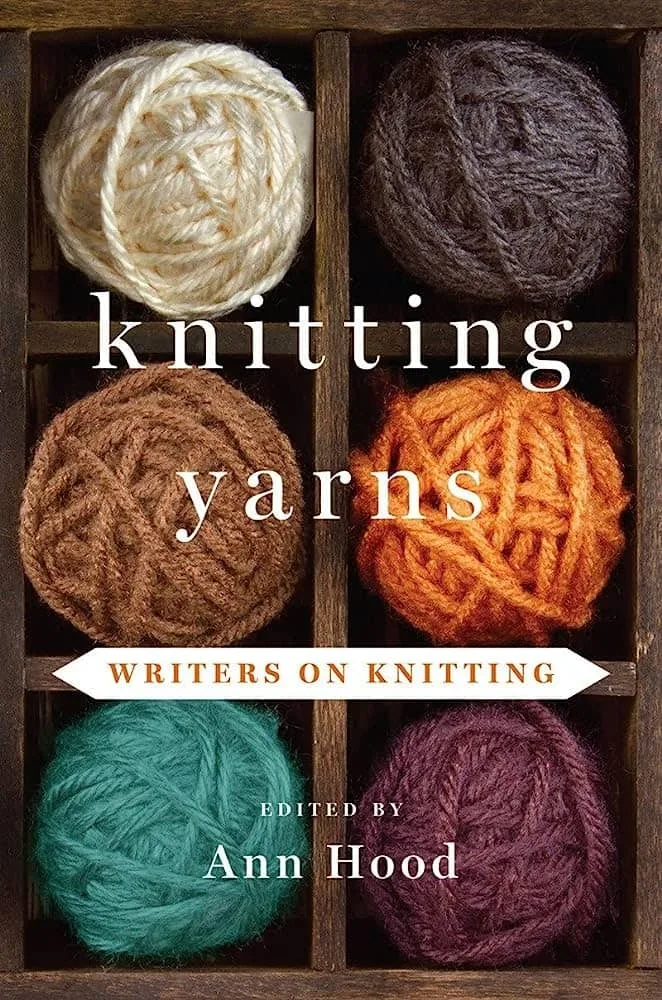
**Knitting Yarns: Writers on Knitting **edited by Ann Hood
Why does knitting occupy a place in the hearts of so many writers? What’s so magical and transformative about yarn and needles? How does knitting help us get through life-changing events and inspire joy?
In Knitting Yarns, twenty-seven writers tell stories about how knitting healed, challenged, or helped them to grow. Barbara Kingsolver describes sheering a sheep for yarn. Elizabeth Berg writes about her frustration at failing to knit. And Ann Patchett traces her life through her knitting, writing about the scarf that knits together the women she’s loved and lost.
With many more poignant, funny, and moving stories, Knitting Yarns is sure to delight knitting enthusiasts and lovers of literature alike.
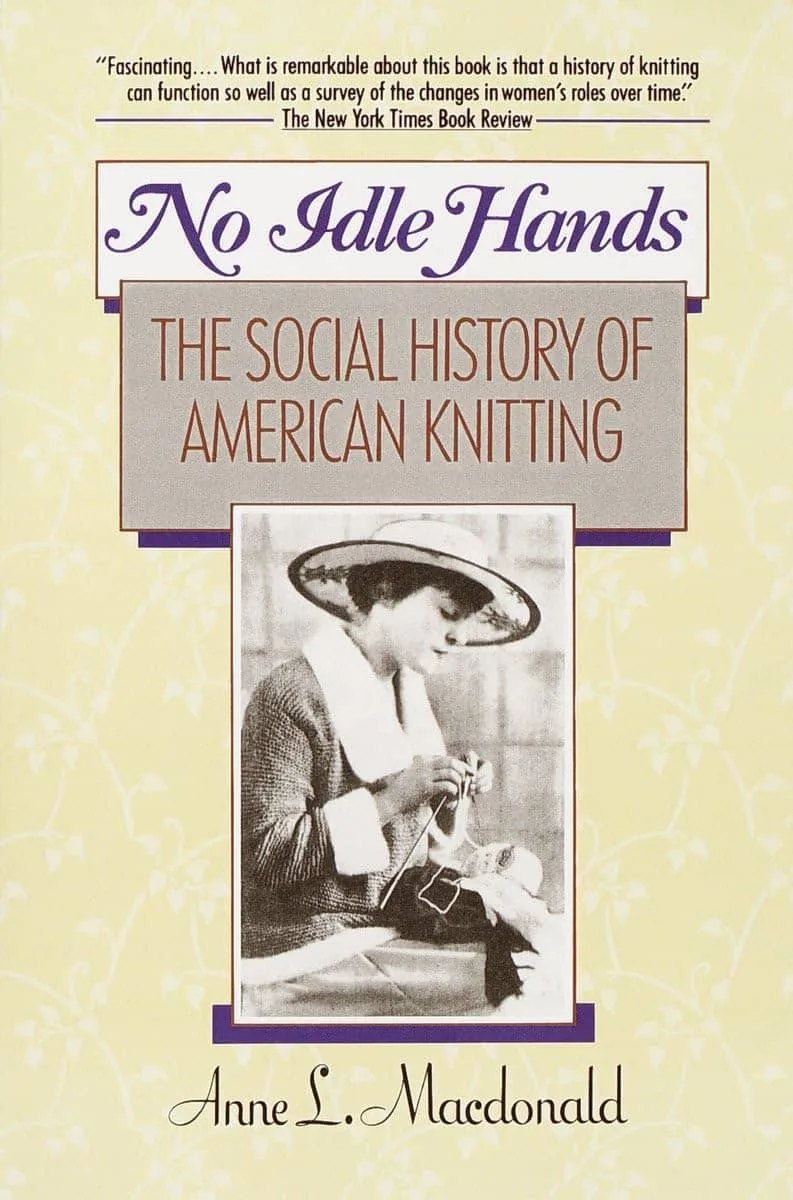
**No Idle Hands: The Social History of American Knitting **by Anne L. Macdonald
A historian and lifelong knitter, Anne Macdonald expertly guides readers on a revealing tour of the history of knitting in America. In No Idle Hands, Macdonald considers how the necessity—and the pleasure—of knitting has shaped women’s lives.
The book examines each phase of American history and gives us a clear and compelling look at life, then and now. And through it all, we see how knitting has played an important part in the way society has viewed women—and how women have viewed themselves.
Assembled from articles in magazines, knitting brochures, newspaper clippings and other primary sources, and featuring reproductions of advertisements, illustrations, and photographs from each period, No Idle Hands capture the texture of women’s domestic lives throughout history with great wit and insight.
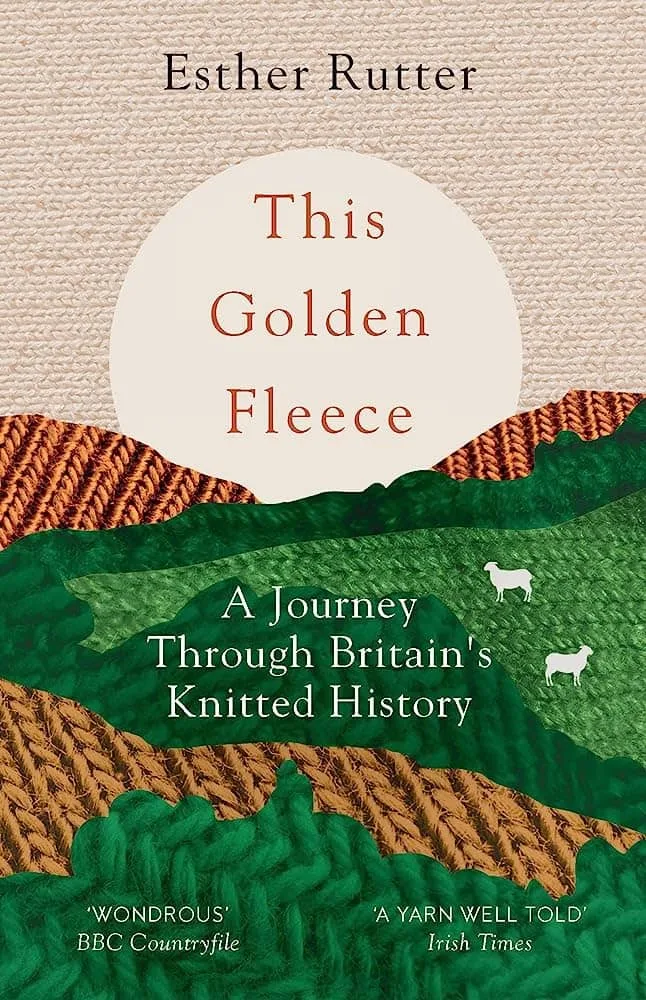
**This Golden Fleece **by Esther Rutter
Over the course of a year, Esther Rutter—who grew up on a sheep farm in Suffolk, and learned to spin, weave and knit as a child—travels the length of the British Isles, to tell the story of wool’s long history here.
She unearths fascinating histories of communities whose lives were shaped by wool, from the mill workers of the Border countries, to the English market towns built on profits of the wool trade, and the Highland communities cleared for sheep farming; and finds tradition and innovation intermingling in today’s knitwear industries. Along the way, she explores wool’s rich culture by knitting and crafting culturally significant garments from our history—among them gloves, a scarf, a baby blanket, socks and a fisherman’s jumper—reminding us of the value of craft and our intimate relationship with wool.
This Golden Fleece is at once a meditation on the craft and history of knitting, and a fascinating exploration of wool’s influence on our landscape, history and culture.
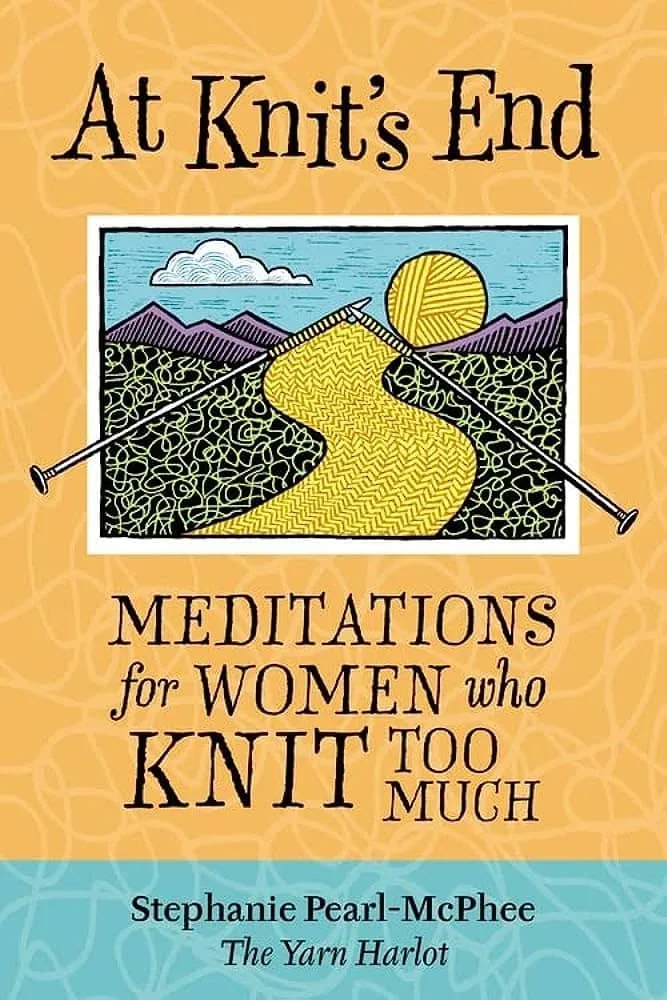
**At Knit’s End **by Stephanie Pearl-McPhee
The tangled life of the knitter is the subject of inspired nuttiness in 300 tongue-in-cheek meditations from the Yarn Harlot, Stephanie Pearl-McPhee.
At Knit’s End captures the wickedly funny musings of someone who doesn’t believe it’s possible to knit too much and who willingly sacrifices sleep, family, work, and sanity in order to keep doing it. Covering everything from the deadly “second sock syndrome” to a pile of yarn so big it can hide a washing machine, this hilarious collection will have knitters in stitches!
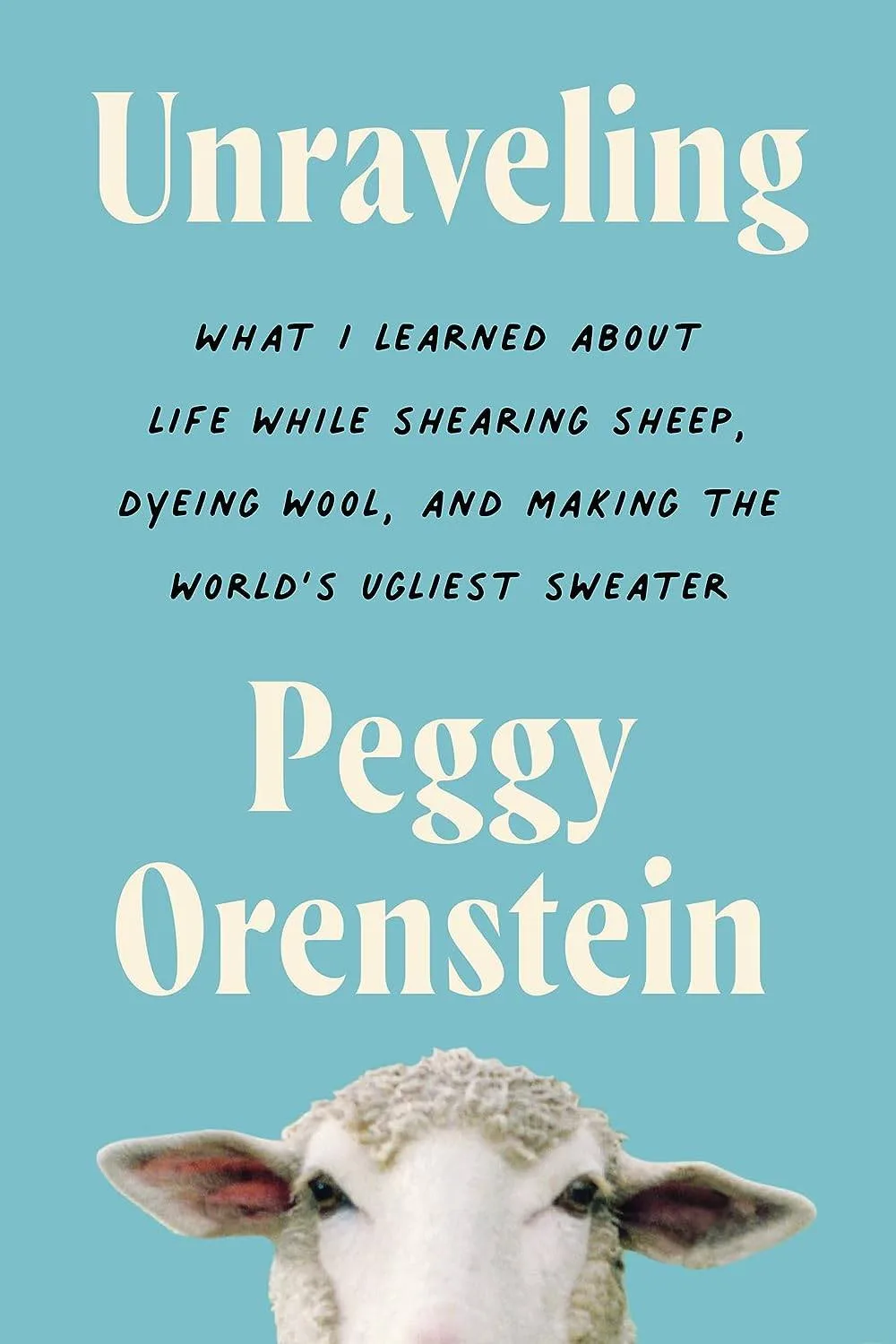
Unraveling: What I Learned About Life While Shearing Sheep, Dyeing Wool, And Making The World’s Ugliest Sweater by Peggy Orenstein
To keep herself engaged and cope with a series of seismic shifts in family life, Peggy Orenstein set out to make a garment from the ground up: learning to shear sheep, spin and dye yarn, then knitting herself a sweater.
Orenstein hoped the project would help her process not just wool but her grief over the recent death of her mother and the decline of her dad, the impending departure of her college-bound daughter, and other thorny issues of aging as a woman in a culture that by turns ignores and disdains them. What she didn’t expect was a journey into some of the major issues of our time.
With her wry voice, sharp intelligence, and exuberant honesty, Orenstein shares her year-long journey as daughter, wife, mother, writer, and maker—and teaches us all something about creativity and connection.
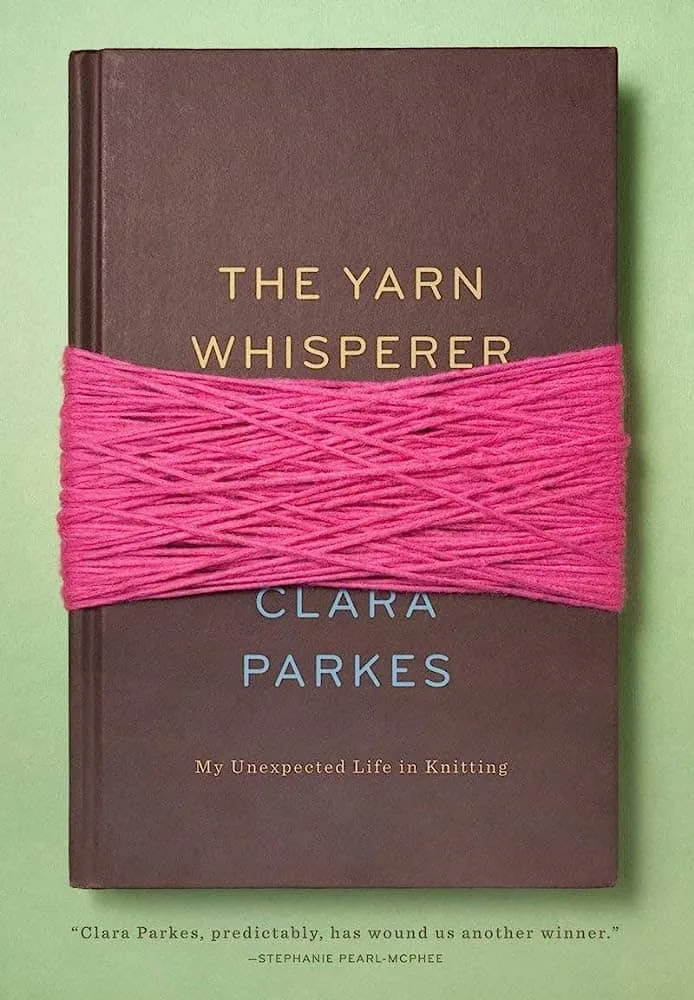
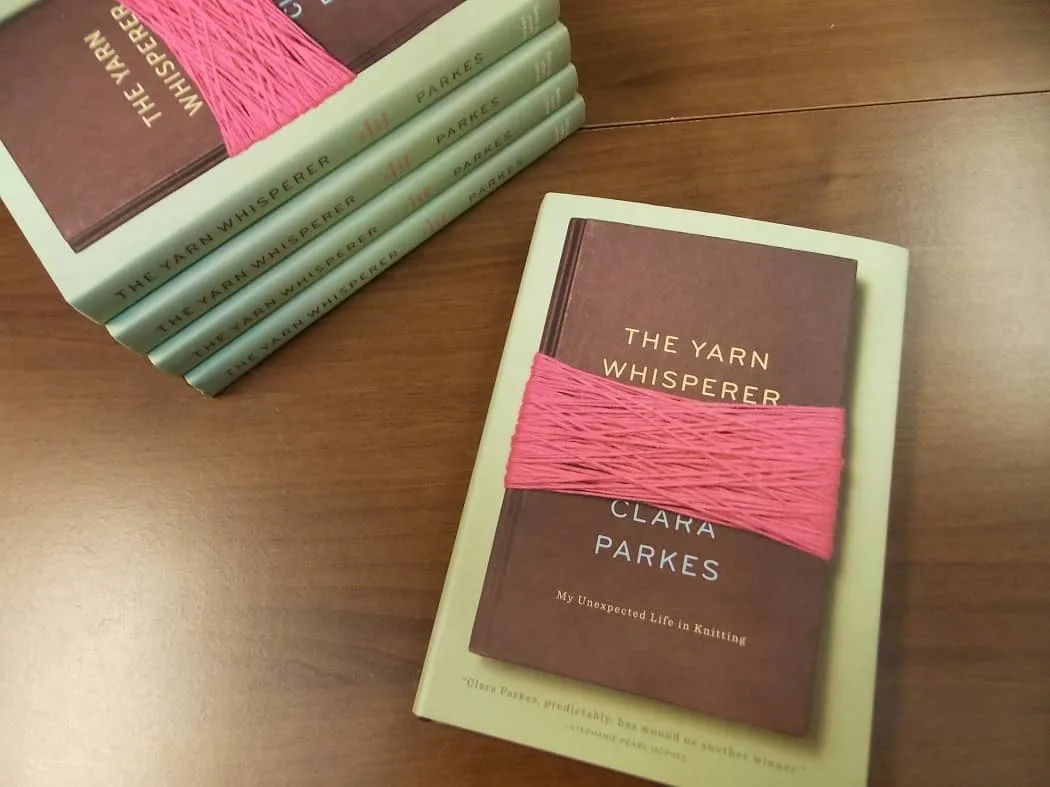
**The Yarn Whisperer **by Clara Parkes
Stockinette, ribbing, cables, even the humble yarn over can instantly evoke places, times, people, conversations, all those poignant moments that we’ve tucked away in our memory banks. Over time, those stitches form a map of our lives.
Recounting tales of childhood and adulthood, family, friends, adventure, privacy, disappointment, love, and celebration, Clara Parkes hits upon the universal truths that drive knitters to create and explores the ways in which knitting can be looked at as a metaphor for so many other things.
Put simply, “No matter how perfect any one sweater may be, it’s only human to crave another. And another, and another.”
Conclusion
So there you have it.
These are some great reads to dive into this spring if you love literature about yarn.
But what do you think?
Do you have book about knitting we didn’t mention?
Hit reply and share it with us!
We’d love to hear your feedback. 😊