

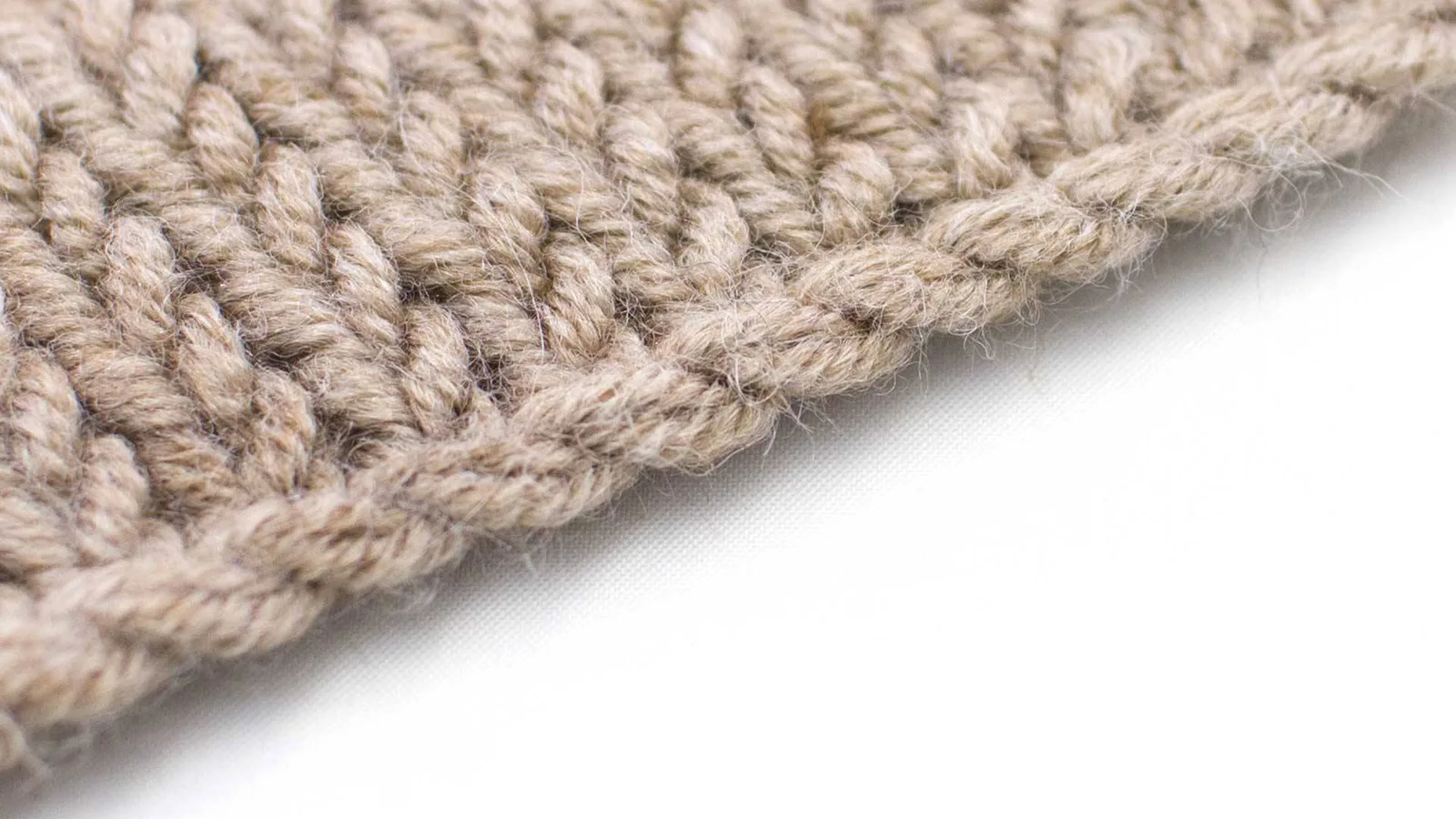
Everyone learns to knit in a different way, including how you get your stitches on the needles to begin with.
Most people stick with that same cast on method for the majority of their projects. Unless a pattern calls for something different, there isn’t much reason to use anything else.
But having multiple cast on techniques in your back pocket means you can choose the best one for whatever project you’re working at the time.
So here are five cast ons every knitter should know.
Backward Loop Cast On (Tutorial)
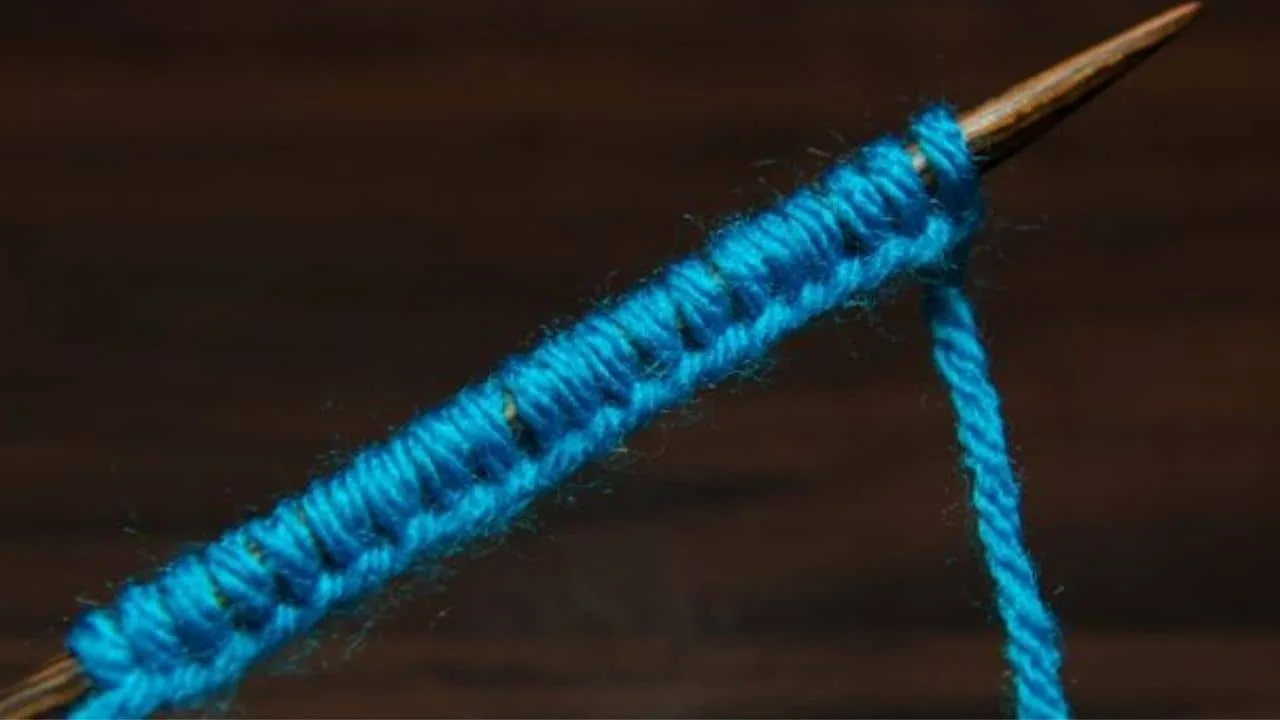
Sometimes called the EZ cast on or E-Loop cast on, this technique is simple, fast, and often taught to beginners. This cast on doesn’t create a row of worked stitches, so it’s relatively invisible. However, you have to be careful with your tension. These cast on stitches can easily stretch, giving you an uneven edge.
Knitted Cast On (Tutorial)
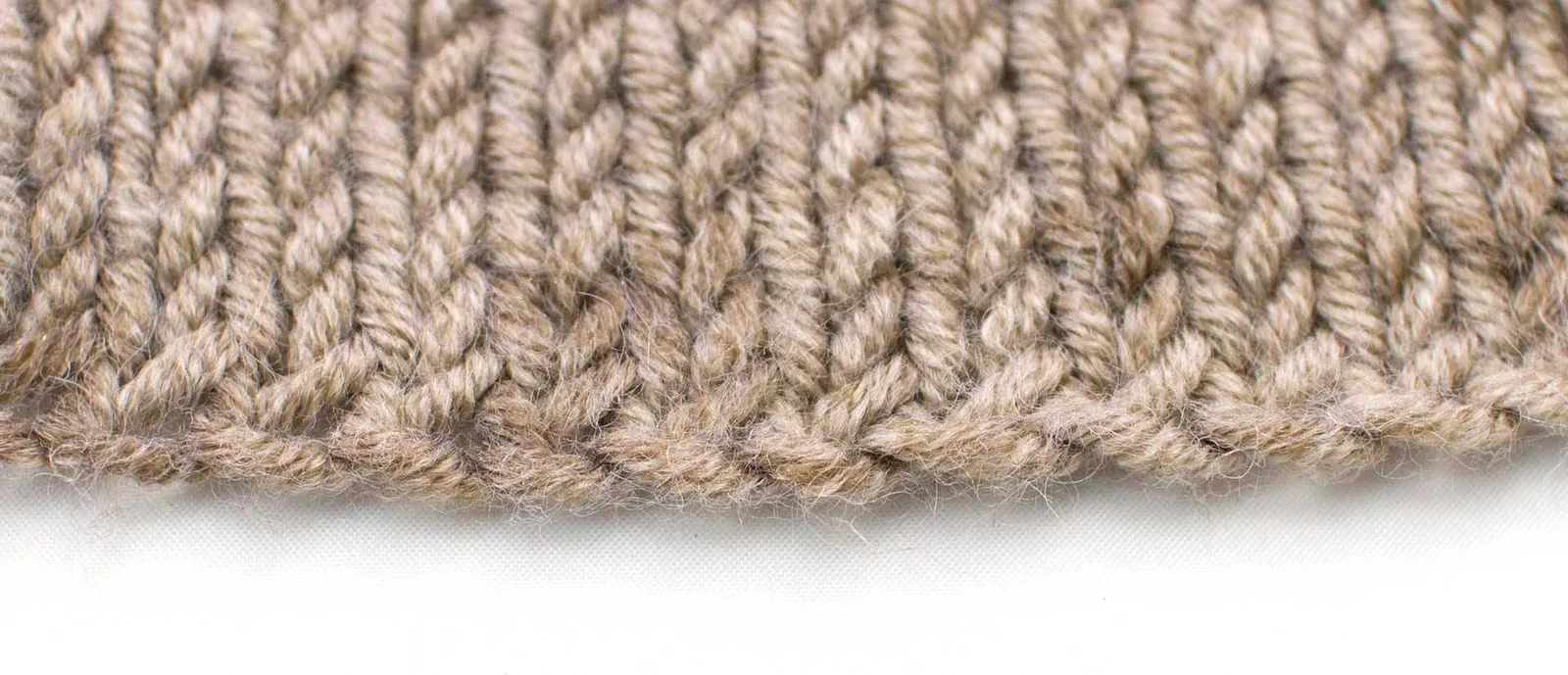
This is my preferred method of teaching people to cast on for the first time. It uses all of the same movements as the knit stitch, with one small change at the end. It creates a nice flexible edge that looks great with stockinette fabric, and it’s stretchy enough to use with ribbing.
Cable Cast On (Tutorial)
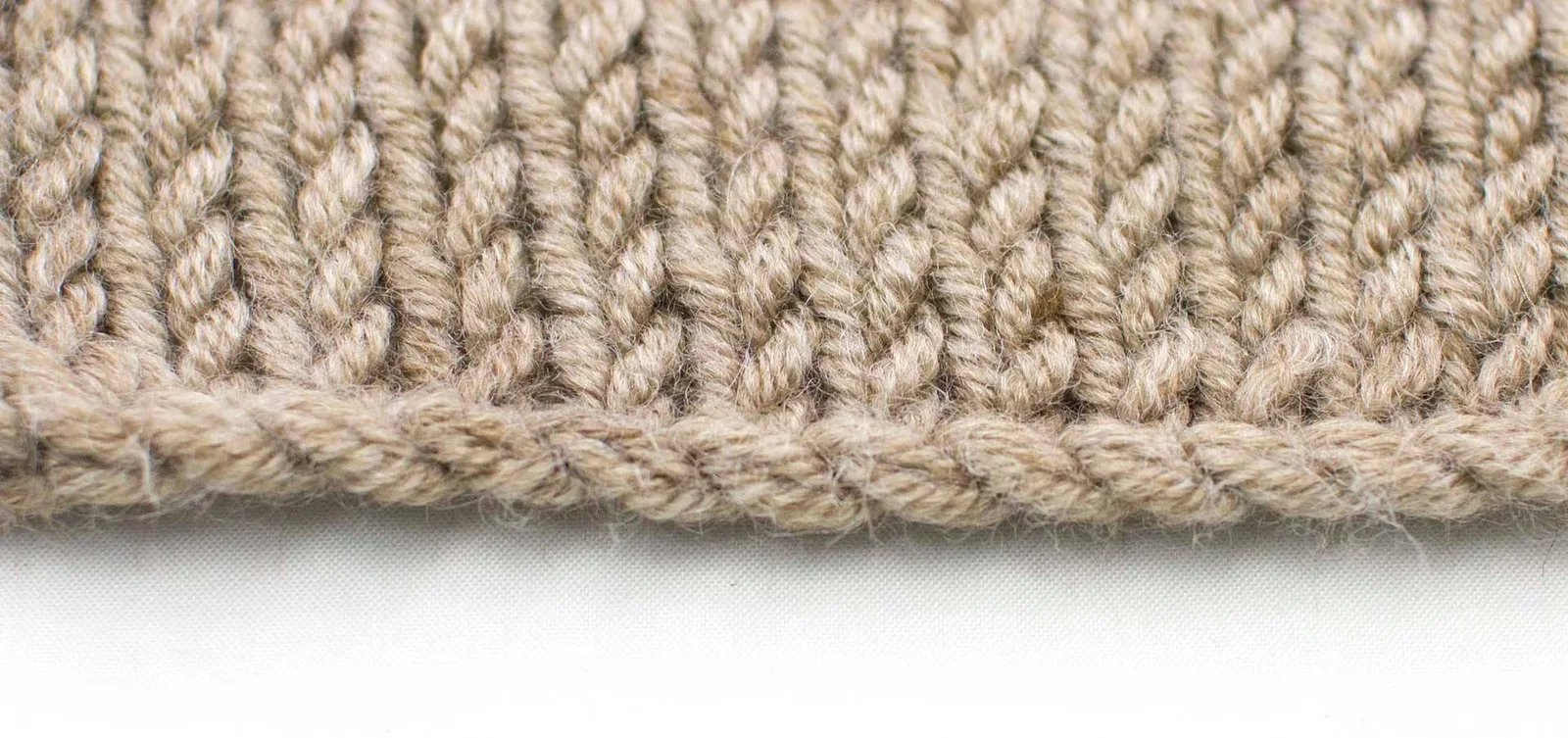
This is my go to cast on for edges that will have a lot of wear and tear. Similar in construction to the Knitted Cast On, this technique creates a row of stitches that are almost braided. The more tightly integrated stitches make this method sturdy and durable while still being flexible.
Long Tail Cast On (Tutorial)
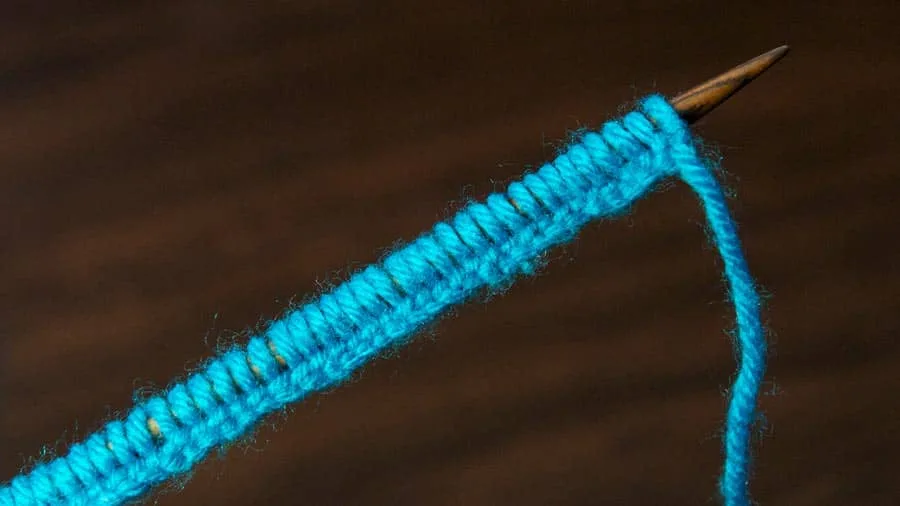
There’s a reason this is the most popular cast on out there. It’s a good technique for almost any project, but I find I prefer to use it for garter stitch. With practice you can easily cast on stitches quickly and the result is a moderately stretchy edge that’s a good place to start.
Italian Cast On (Tutorial)
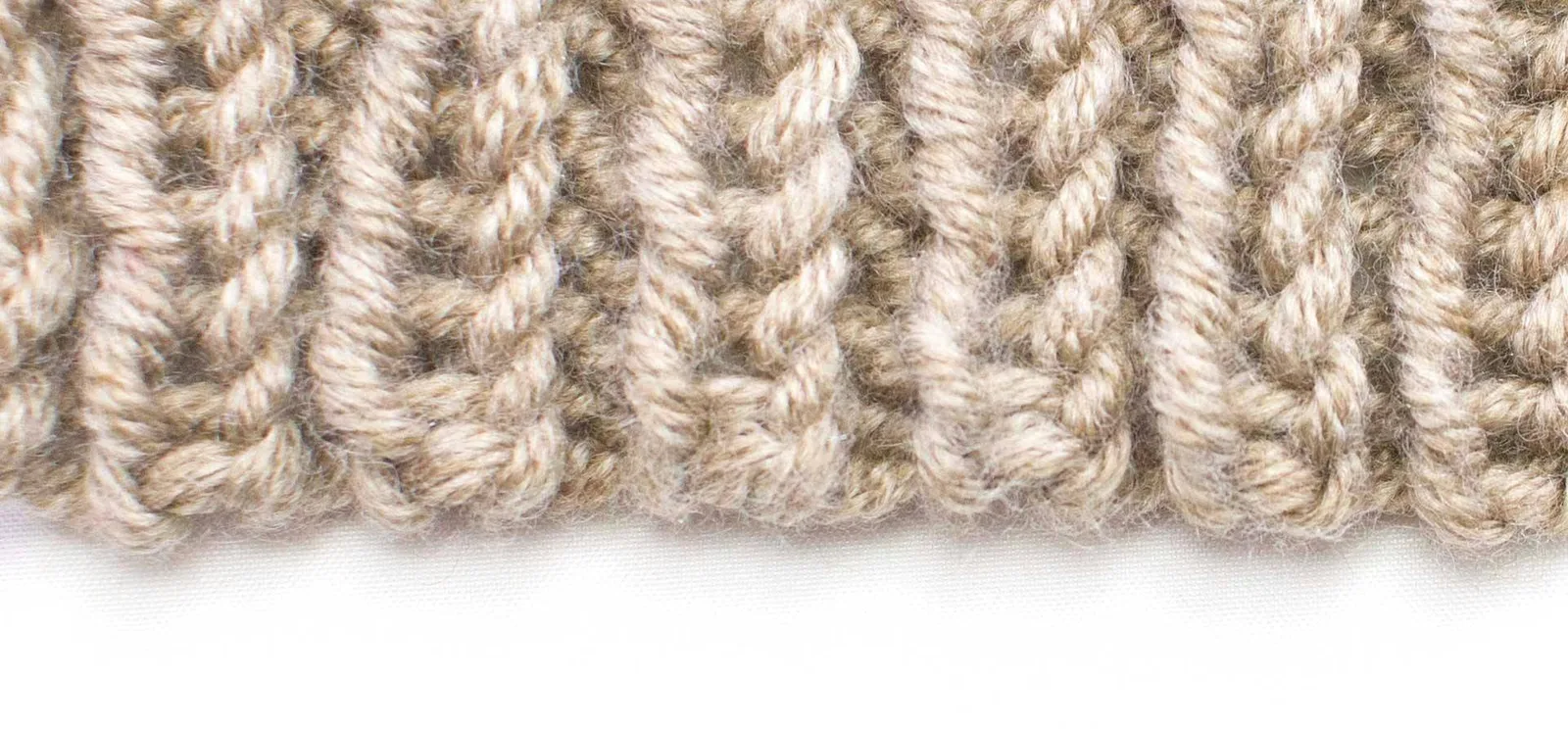
This might be my favorite cast on of all time. If you’re knitting 1x1 ribbed fabric (especially Brioche) then this tubular cast on is ideal. It’s a little more advanced, and definitely takes some practice, but the result is a professional looking edge that’s incredibly stretchy. Plus it’s entirely seamless!
Conclusion
So what do you think?
These are our essential cast on picks.
Do you have favorite method for casting on?
Hit reply and share your experience with us!
We’d love to hear your feedback. 😊